If you’ve walked through a modern manufacturing facility lately—say, a automotive parts plant in Detroit, a medical device factory in Taiwan, or even a aerospace component shop in Germany—you might have noticed something that wasn’t there 15 years ago: rows of machines that talk to each other, dashboards that update in real time, and engineers who spend less time troubleshooting on the floor and more time optimizing processes from a desk. That’s not a scene from a sci-fi movie. That’s digital processing technology in manufacturing, and it’s the backbone of how we make things better, faster, and smarter than ever before. Processing Technology

As a supplier dedicated to designing and deploying these exact digital processing solutions, I’ve spent the last decade walking shop floors with plant managers, production leads, and quality teams, helping them turn clunky, paper-heavy, error-prone workflows into streamlined, data-driven operations. Too often, people outside manufacturing (and even some inside) think digital processing is just “adding computers to old machines.” Nothing could be further from the truth. It’s a complete reimagining of how every stage of production—from raw material receipt to final inspection—works, and it’s changed the game for our clients in every sector.
Let’s start with what digital processing technology actually is, in plain terms. Traditional manufacturing processing relies on physical workflows and human expertise: a machinist sets a machine to a specific measurement, a quality inspector takes manual measurements every 20 parts, a maintenance team reacts to a broken tool after it causes a 2-hour downtime. Digital processing replaces that reactive, manual system with interconnected digital tools that capture, analyze, and act on data in real time. It integrates software, sensors, automation hardware, and cloud-based platforms to eliminate bottlenecks, cut waste, and reduce human error. At its core, it’s about turning raw data from every part of the process into actionable insights.
Take a simple example: a metal stamping line that makes brackets for refrigerators. Before digital processing, the line would run batches of 500 brackets, with operators checking 10 pieces per batch for defects. If a tool wore down mid-batch and started producing misaligned brackets, operators wouldn’t catch it until the end of the run, meaning 50 bad parts would get sent downstream. With digital processing, we install small vibration and distance sensors on each stamping press. Those sensors measure tool wear thousands of times per second, sending that data to a cloud dashboard. If the wear exceeds a pre-set threshold, the system automatically pauses the press, alerts the operator, and even suggests a tool change window that minimizes downtime. The result? Zero bad parts from that batch, 30% less tool waste, and no unplanned stops from failed tools. That’s the kind of tangible value digital processing delivers—not just “fancy tech,” but real bottom-line results.
Now, let’s break down the key components of digital processing technology in manufacturing, because it’s not a single tool—it’s a suite of integrated solutions, each serving a specific purpose. The first is Industrial Internet of Things (IIoT) sensors and edge computing. These are the “eyes and ears” of the system. Unlike regular consumer IoT devices, IIoT sensors are built to withstand extreme environments: high heat, constant vibration, dust, and moisture. They’re attached to every machine, conveyor, and even raw material containers, capturing data like temperature, pressure, speed, and dimensional accuracy. Edge computing is the local processing power that sits right on the factory floor, so data is analyzed there instead of being sent back and forth to a distant cloud. That means decisions happen in milliseconds, not minutes—critical for processes where a split-second delay can ruin a part.
Next, there are manufacturing execution systems (MES) and enterprise resource planning (ERP) integration. MES is the layer that connects real-time shop floor activity to the broader business. It tracks every part as it moves through production, logs when a machine is running, idle, or in maintenance, and collects quality data as it’s generated. When integrated with ERP (which handles things like inventory, orders, and supply chain), MES creates a closed loop: if an order comes in for 1,000 brackets, the ERP sends that request to the MES, which allocates the right materials, schedules the stamping line, and updates the inventory automatically as parts are produced. No more manual data entry, no more overordering raw materials, no more miscommunication between the office and the floor.
Then there’s quality analytics and predictive maintenance, two of the biggest value drivers for our clients. Quality analytics uses machine learning algorithms to spot patterns in defect data that human inspectors would miss. For example, it might notice that every time a new batch of aluminum sheet is delivered, the stamping line has a 5% higher defect rate for 100 parts. The system flags that correlation, so the materials team can work with suppliers to adjust the aluminum’s alloy composition before it causes more waste. Predictive maintenance, as I touched on earlier, uses sensor data to predict when a machine part will fail—usually days or weeks in advance—instead of fixing it after it breaks. This cuts unplanned downtime by up to 40%, according to recent industry studies, and reduces maintenance costs by 20 to 30% by only replacing parts when they need it, not on a rigid schedule.
Here’s the part most people don’t talk about: digital processing isn’t just for big factories with millions of dollars to spend. We’ve worked with small, family-owned machining shops with just 10 employees, and they’ve seen the same benefits as large automotive plants. A few years back, we worked with a 12-person shop that made custom hydraulic fittings for construction equipment. Before digital processing, they’d lose an average of $15,000 a month to rework and late orders because of misaligned parts and missed delivery windows. We installed a small set of IIoT sensors on their two CNC mills, paired with a basic MES platform that cost a fraction of what they’d spent on new machinery the year before. Within six months, their rework rate dropped by 45%, and they were able to take on two new clients because they could deliver orders 10 days faster. That’s the magic of digital processing: it scales to fit your operation, not the other way around.
Of course, it’s not all smooth sailing. I’ve seen plenty of projects that failed because companies thought they could just plug in sensors and see results overnight. The biggest mistake we see is treating digital processing as a technology project, not a people and process project. Shop floor workers who’ve done the same job for 20 years can be skeptical of new systems that make their jobs feel automated or obsolete. The key is to involve every team from the start: machinists, inspectors, maintenance, and managers. When operators help set what the threshold for tool wear should be, or when inspectors get to test a digital quality tool before it’s rolled out, they buy in. We always start with a small, low-risk pilot project—say, one stamping line or one CNC mill—so teams can see the benefits firsthand, without disrupting the whole facility. That builds trust, and that’s what makes digital processing work long-term, not just as a one-time upgrade.
Another common misconception is that digital processing is only for new factories. We work with facilities that have been around for 50 years, with machines that predate the internet. You don’t need to replace your entire line to go digital. Our solutions are designed to retrofit existing machinery. We can add IIoT sensors to old CNC mills, connect legacy PLC (programmable logic controller) systems to a cloud platform, and layer on predictive analytics without swapping out your entire production floor. That’s one of the biggest advantages of modern digital processing—its flexibility means you can modernize incrementally, spreading out costs and minimizing downtime during upgrades.
Let’s talk about the future, too, because digital processing in manufacturing is evolving faster than ever. Right now, we’re working with a medical device client to integrate augmented reality (AR) into their digital processing workflow. When an operator is setting up a CNC mill for a custom surgical instrument, they can wear AR glasses that overlay digital instructions, tool path guides, and real-time quality measurements right onto the machine. No more flipping through paper manuals, no more misreading schematics. In the next few years, we’ll see more generative design tools integrated into digital processing systems—tools that use AI to create part designs that are lighter, stronger, and cheaper to produce, all while working within your existing machine capabilities. We’ll also see even better supply chain integration, so a raw material delay at a supplier’s mill will automatically adjust production schedules in real time, keeping orders on track.
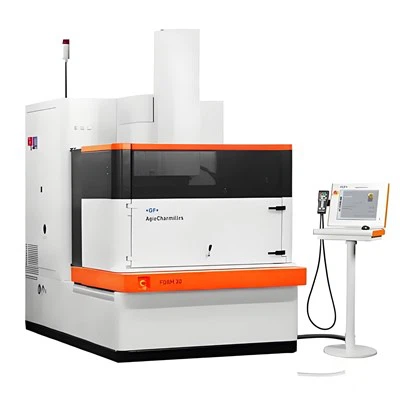
But at the end of the day, no matter how advanced the technology gets, digital processing in manufacturing is about one thing: helping our clients make better products, run their businesses more smoothly, and stay competitive in a world where customers want higher quality, faster delivery, and lower costs. For 15 years, our team has specialized in designing digital processing solutions that are tailored to each client’s specific needs, not a one-size-fits-all product. We don’t just sell sensors or software—we partner with plant teams to understand their pain points, test solutions in their actual shop environment, and provide ongoing support to make sure their digital tools work for them, not against them.
Aero Engine Components If you’re tired of unplanned downtime, rework that eats into your profits, or manual processes that leave your team stretched thin, digital processing technology might be the solution you’ve been looking for. We’ve helped shops like yours cut costs, improve quality, and grow their business, and we’d be happy to walk through how we can do the same for you. Connect with us to discuss your current manufacturing challenges, and we’ll put together a customized plan that fits your operation, your budget, and your long-term goals.
References
- "Industrial Internet of Things (IIoT) in Manufacturing: Market Insights and Growth Projections." Deloitte Insights, 2024.
- "Predictive Maintenance for Industrial Machinery: Best Practices and ROI Analysis." Manufacturing Institute, 2023.
- "MES and ERP Integration: Closing the Loop Between Shop Floor and Business Operations." Gartner for Supply Chain, 2024.
- "Retrofitting Legacy Manufacturing Equipment for Digital Transformation." IndustryWeek, 2023.
- "Adopting Digital Processing Technology: Change Management Strategies for Manufacturing Teams." McKinsey & Company, 2024.
Jiangsu Zhengfang Dynamics Technology Co., Ltd.
As one of the most professional processing technology manufacturers and suppliers in China, we’re featured by quality products and good price. Please rest assured to buy customized processing technology made in China here from our factory. Contact us for pricelist.
Address: Building 3, No. 69 Feitian Avenue, Jiangning District, Nanjing City, Jiangsu Province
E-mail: hanks.liu@zfdynamics.com
WebSite: https://www.zhengfangdongli.com/
