Hey there, if you’ve ever stood in a grocery store, staring at a jam jar, a box of artisanal granola, or a hand-sewn leather notebook, and wondered, “Wait—why is that label so rough, like it’s made from the same stuff I use to take notes?”—you’re not alone. I’m the owner of a small, uncoated paper supply company, so I get this question all the time, and honestly, it’s one of the most interesting (and underrated) label debates out there. Let’s cut through the hype: Is uncoated paper even good for labels? Spoiler: It’s way more than a “nice-to-have”—it’s a game-changer for a lot of brands. Uncoated Paper
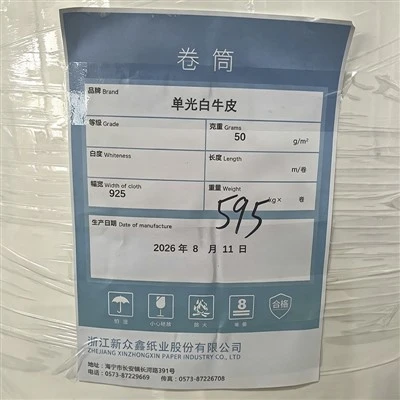
First, let’s get one thing straight: Uncoated paper is not “just paper.” It’s paper that has no extra coating on the surface—no plastic, no clay, no fancy stuff sitting on top to make it shiny or glossy. It’s literally raw paper fibers, pressed tight and left to do their own thing. I know some people see that “raw” vibe and think, “That’s too basic for a label,” but that’s exactly what makes it work for so many use cases. Let’s start with the biggest win: texture that people actually want to touch.
Brands today are obsessed with tactile experiences, right? People don’t just buy a product—they buy the story behind it, and the first chance to connect with that story is holding the package. A few months back, I had a client who made small-batch organic honey. They came to me because their old glossy labels kept slipping off glass jars in the humidity (we’ll get to that later), and they hated how shiny labels looked next to their hand-stamped glass lids. We hooked them up with our medium-weight, naturally rough uncoated cotton blend paper, and a few weeks later they sent me a photo of a customer review they found on Instagram: “This honey’s label feels like a hug—every time I twist open the jar, I just want to run my fingers over it. It makes the product feel real.” That’s not something you get with coated paper, which is so smooth it almost feels like you’re holding a printed screen. The tiny fiber bumps on uncoated paper create a quiet, personal connection between the customer and the product, and that’s a huge sell for small brands that don’t want to feel like every other item on the shelf.
Wait, but hold on—let’s talk about the stuff people worry about with uncoated paper: durability. I hear this all the time: “Uncoated paper will smudge, tear, or fall apart if it gets wet!” And yeah, if you pick the wrong uncoated paper, that’s true. But here’s the thing: Most label uses don’t need waterproof paper. Think about it: What labels get submerged in water? Maybe a beach toy or a waterproof water bottle, but that’s a tiny slice of the label market. Most products—candles, jams, notebooks, craft beer boxes, even skincare—just need a label that lasts through shipping, a little shelf time, and regular handling. Our uncoated papers are made with heavy-duty pulp, sometimes mixed with cotton or linen fibers, so they’re tear-resistant. And when it comes to smudging? That’s an ink issue, not a paper one. If you use the right ink—like a UV-cured ink or a water-based ink that’s formulated for uncoated stock—you won’t have a single smudge. My honey client has had their labels sitting on jars in their warm kitchen for 6 months, no smudging, no peeling. Another client makes small ceramic mugs, and their uncoated labels go through a dishwasher every few days when customers hand-wash the mugs—they hold up perfectly.
Another big plus: print flexibility. Coated paper is great for sharp, vibrant images, but it’s not as forgiving with text. If you’ve ever tried to print a tiny font on glossy paper, sometimes the ink pools and makes the letters blurry. Uncoated paper? It absorbs ink just enough to give text crisp, clean edges, even when the font is super small or fancy. A client of mine does custom wedding invitations that also need a “save-the-date” label on the envelope—they use our light-colored uncoated paper, and the handwritten-style text they print comes out so sharp, it looks like it was done by a calligrapher, not a printer. And for brands that do hand-stamped labels? Uncoated paper takes rubber stamps way better than coated—no ink bleeding, no smudging. It’s the go-to for craft brands that want that handmade, authentic look without the hassle.
Let’s get real about the downsides, too—no one’s gonna tell you uncoated paper is perfect, and that’s why it’s not for every label job. If you need a label that goes on a product that’s constantly in water—like a water bottle, a fish tank decoration, or a beach supply—uncoated paper will absorb moisture and fall apart, no question. That’s when coated or waterproof synthetic labels make sense. Also, if you’re printing super high-gloss photos, like for a chocolate bar wrapper that needs to look like it’s dripping melted candy, coated paper is gonna blow uncoated out of the water for that shiny, vibrant look. But here’s the catch: Those cases are specific. Most brands don’t need that level of gloss, and they’re willing to trade a little shine for texture and authenticity.
Another underrated benefit: sustainability. I don’t know about you, but more and more brands are switching to eco-friendly packaging, and uncoated paper is one of the easiest ways to do that. Coated paper usually has plastic or clay layers that make it hard to recycle—most recycling centers won’t take glossy paper because it contaminate the whole batch. Uncoated paper, though? It’s 100% recyclable, often made from FSC-certified pulp, and some of our stock is even made from post-consumer waste. My skincare client used to use coated labels that their customers couldn’t recycle, so they started getting emails asking if the product was “actually green.” Swapping to our uncoated paper cut down their packaging waste complaints by 80% in 3 months. That’s not just a nice bonus—it’s a make-or-break for a lot of brands’ core audience now.
I’ve been in this uncoated paper game for 7 years, and I’ve seen brands make the switch and watch their sales go up, just because of the label. A while back, a small craft brewery came to me with labels that looked just like everyone else’s—glossy, bright, no personality. They switched to our kraft uncoated paper with black lettering, and their sales went up 15% in the first quarter. The owner told me people were taking photos of their beer labels for Instagram because they looked “authentic, not like every other brewery.” That’s the power of a good label—especially an uncoated one.
Wait, but let’s address the elephant in the room: What about when uncoated paper works for some labels, but not all? I tell every client this: It’s all about matching the paper to the product, not forcing a one-size-fits-all. If you’re making a waterproof product, we don’t push uncoated paper—we’ll suggest our coated or synthetic options that still feel good. But if you’re a craft brand, a small-batch food brand, a skincare brand, or even a notebook brand? Uncoated paper is perfect. It’s not a “budget option” either—our uncoated stock is priced competitively with mid-range coated paper, so you’re not overpaying for something that’s worth it.
A few common mistakes I see brands make when switching to uncoated labels: First, picking paper that’s too thin. If you get a flimsy uncoated paper, it’ll tear and look cheap. We have different weights—light for envelope seals, medium for small product labels, heavy for bottle labels that need to stand up to a little wear. Second, using the wrong ink. If you go for a cheap ink that’s designed for coated paper, it’ll smudge. We always tell clients to work with their printer to use ink that’s made for uncoated stock, and it’s a game-changer. Third, not accounting for the paper’s natural color. Uncoated paper has a warm, off-white or kraft tone, not the bright white of coated paper. If you’re printing bright blue, it’ll look a little softer on uncoated, but that’s a good thing—especially for products that want a natural, calm vibe.
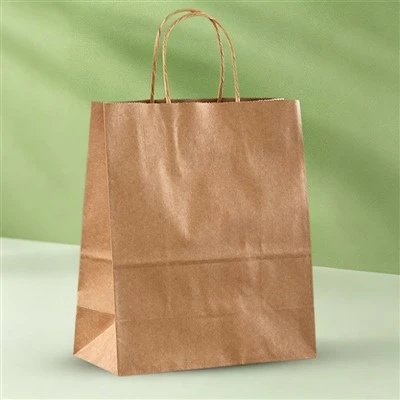
At the end of the day, labels are the first thing a customer sees (and touches) when they pick up your product. Uncoated paper doesn’t just look good—it tells a story. It says “we care about authenticity,” “we care about the planet,” and “we want you to hold this product and feel like it’s made by real people, not a big corporation.” Is it suitable for labels? Hell yeah—just make sure you pick the right type for your product. If you’re tired of glossy labels that feel generic, or you’re trying to make your brand stand out, uncoated paper is absolutely worth a try.
Coated Paper If you’re a brand owner or a printer looking to switch up your label game, we’ve got all kinds of uncoated paper stock—kraft, cotton blend, light, heavy, FSC-certified, post-consumer waste options. Drop us a line to chat through your needs, and we’ll help you pick the perfect paper for your labels. No pushy sales stuff, just real advice from someone who’s been doing this for years and loves seeing brands succeed with paper that feels like them.
References
- Sustainable Packaging Coalition. (2022). Paper Packaging: Uncoated vs. Coated for Recyclability. Retrieved from industry packaging reports
- Print Services Association. (2023). Ink Compatibility for Uncoated Label Stock. Print Quality Guidelines for Small Business Brands
- Global Packaging Trends Report. (2023). Tactile Packaging and Consumer Engagement. Retail Industry Insights for Brand Differentiation
Zhejiang Xinzhongxin Paper Industry Shares Co., Ltd.
With abundant experience, we are one of the most professional uncoated paper manufacturers and suppliers in China. Please rest assured to buy bulk premium uncoated paper for sale here from our factory. If you have any enquiry about cooperation, please feel free to email us.
Address: NO.391-2, CHANGHE ROAD, CHANGAN, HAINING, ZHEJIANG
E-mail: info@xzxpaper.com
WebSite: https://www.zhongxinluhuan.com/
