If you’ve ever stood in a hardware store, staring at rows of threaded metal pipes and pipe nipples, wondering whether one could work for a propane line, you’re not alone. As someone who’s spent the last 12 years in the pipe nipple business—working directly with plumbers, RV technicians, and small construction crews on a weekly basis—I get this question all the time. It’s a fair one, too: propane systems demand specific materials and fittings to avoid leaks, fires, or worse, so cutting corners on parts feels like a risk. Today, I’m breaking down exactly what you need to know about pipe nipples and propane lines, no jargon, just real-world insight from a supplier who’s seen both good decisions and dangerous mistakes. Pipe Nipples
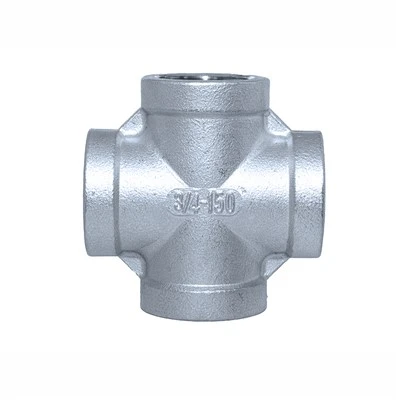
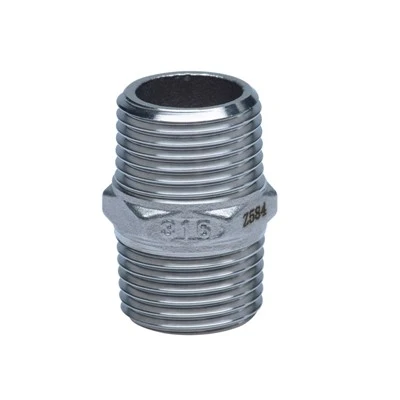
First, let’s start with the basics: what is a pipe nipple, anyway? For anyone not in the trade, a pipe nipple is a short section of pipe, usually 1 to 24 inches long, threaded on both ends (sometimes one, but rarely) to connect two fittings. They’re not just random cut pipe—they’re manufactured to strict standards, usually for Schedule 40 or Schedule 80 pipe, which refers to the wall thickness. That thickness matters a lot for gas lines, because pressure and corrosion can eat through thin walls faster.
Now, propane lines: they operate under pressure, even for small residential or portable systems. A typical indoor propane line might run at 10 to 20 psi, while a larger outdoor tank line can hit 250 psi or more. That pressure means every component in the line has to be rated for that pressure, and compatible with propane’s chemical makeup. Propane isn’t just a inert gas—it’s a hydrocarbon, so it can react with certain materials over time, leading to degradation. That’s where a lot of people go wrong when they reach for a pipe nipple off the shelf.
The short answer first: yes, pipe nipples can be used for propane lines—but only specific types. Let’s narrow that down. The most common pipe nipple materials that work for propane are black steel, galvanized steel, and sometimes brass. Wait, hold on—before you grab a galvanized nipple from the bin, there’s a catch. Galvanized steel has a zinc coating that protects against rust, but when exposed to propane over long periods, that zinc can flake off. Those flakes can get stuck in regulators or valves, leading to clogs or failure. So if you’re using a galvanized pipe nipple, make sure it’s rated for low-pressure propane lines (like 10 psi for a gas stove) and inspect it regularly for flaking. For high-pressure lines—like the ones connecting a 500-gallon propane tank to your house—black steel is the way to go. Black steel doesn’t have a zinc coating, so it’s more resistant to hydrocarbon degradation and can handle higher pressure ratings.
Brass pipe nipples are another option, especially for smaller, portable systems—like RVs, camp stoves, or portable heaters. Brass is durable, corrosion-resistant, and compatible with propane, so it’s a safe bet for those setups. Just make sure the brass is lead-free if it’s going to be near food or potable water, but for propane-only lines, standard brass works fine. What you cannot use for propane lines is PVC pipe nipples, or any plastic pipe fittings. That’s a non-starter. PVC breaks down under propane pressure, can crack, and releases toxic fumes when heated, which is a huge fire hazard. I’ve had customers come back to me years later saying they tried a PVC nipple for a small grill line and ended up with a leak that took hours to fix—don’t make that mistake.
Now, let’s talk about the standards. This is where a lot of DIYers and even some small contractors miss the mark. Pipe nipples for propane lines need to meet specific industry standards set by organizations like the National Fire Protection Association (NFPA) and the American National Standards Institute (ANSI). NFPA 54, the National Fuel Gas Code, outlines exactly what materials, pressure ratings, and thread types are allowed for propane lines. For pipe nipples, that means they have to be Schedule 40 black steel, Schedule 40 brass, or Schedule 80 galvanized (only for low pressure) with National Pipe Thread (NPT) threads. NPT threads are tapered, so they create a tight seal when wrapped with Teflon tape or pipe thread compound—critical for preventing leaks, which are the number one risk with propane.
I once had a customer, a part-time plumber who was working on a friend’s outdoor generator line, bring in a batch of cheap, unthreaded pipe cut to length, thinking it was the same as a pipe nipple. He tried to thread it himself with a rental tool, and the threads were uneven—within a month, there was a leak that had built up over time. When he showed me the parts, I could tell right away they weren’t made to ANSI standards: the wall thickness was thinner, and the threads were cut too shallow. That’s the problem with using custom-cut pipe instead of a proper pipe nipple for propane: consistency. A good pipe nipple is manufactured to have uniform thread depth and thickness, so the seal is reliable. Custom-cut pipe can have variations that lead to leaks, even if you use tape.
Another common mistake I see is size. Pipe nipples come in sizes from 1/8 inch (for small RV connections) up to 2 inches or more for large commercial lines. The size matters because it has to match the flow rate of your propane system. If you use a pipe nipple that’s too small, it can restrict flow, causing your appliances (like a furnace or generator) to run inefficiently, or not at all. If it’s too big, you might end up with air pockets in the line, which can also cause issues. I always recommend that customers check their system’s manual for the required pipe size, and if they’re not sure, send me a photo of the existing line—I’m happy to help them pick the right size nipple, no sales pitch, just advice.
Wait, what about flex lines? Some people confuse pipe nipples with flexible gas lines, but they’re different. Pipe nipples are rigid, which is actually a plus for propane lines because rigid steel holds its shape, so there’s less movement and less chance of a leak at the fittings. Flex lines are good for tight spaces, but they’re not rated for all high-pressure applications, so a rigid pipe nipple is often a safer choice for main lines.
Let’s also talk about installation best practices, because even the best pipe nipple won’t work if it’s installed wrong. First, always use pipe thread compound or Teflon tape rated for gas lines—regular Teflon tape (for water lines) isn’t as effective, and it can break down when exposed to propane. Wrap the tape in the direction the threads turn (clockwise, when looking at the end of the fitting) so it doesn’t come loose when you screw the nipple in. Don’t over-tighten the fittings—you can strip the threads, which will cause leaks. A good rule of thumb is to tighten by hand until snug, then use a wrench for about a quarter turn more. That’s enough to create a seal without damaging the threads.
After installation, always do a leak test. Mix a solution of soapy water (dish soap and water works fine) and spray it on all the connections. Turn on the propane slowly—if you see bubbles, you have a leak. Tighten the fitting a little more, or re-apply thread compound, and test again. Never use a flame to check for leaks—that’s a surefire way to start a fire. I’ve seen too many near-misses from that mistake, so I can’t stress that enough.
Now, as a pipe nipple supplier, what does that mean for you? If you’re a DIYer working on a small project, like adding a new gas grill to your backyard, a brass or Schedule 40 black steel pipe nipple of the right size is perfect. For a larger project, like connecting a new furnace to your home’s propane tank, you’ll want Schedule 80 black steel pipe nipples, rated for high pressure, to meet code. If you’re an RV owner, a small brass pipe nipple is ideal for connecting your camper to a bulk propane tank at a campground.
I also want to address a concern some customers have: cost. A good pipe nipple isn’t cheap, but it’s way cheaper than fixing a propane leak or replacing an appliance that was damaged by a bad fitting. I’ve had customers come to me after buying cheap, off-brand pipe nipples from a big-box store, only to have them corrode or leak within a year. Investing in a quality, code-compliant pipe nipple is a small cost for peace of mind.
Wait, one last thing: what about pipe nipples for underground propane lines? If you’re running a line underground, you’ll need a Schedule 80 black steel pipe nipple, and it should be coated with a corrosion-resistant material (like epoxy) to protect it from dirt and moisture. Galvanized nipples are not recommended for underground lines, because the zinc will break down over time in soil. That’s a specific use case, but it’s one I get asked about a lot, so it’s important to mention.
At the end of the day, the key takeaway is this: pipe nipples can be used for propane lines, but only if you pick the right material, size, and rating, and install them correctly. Cheap, unrated, or the wrong type will not only fail—they can be dangerous. If you’re not sure what you need, don’t guess. Reach out to a supplier who knows their stuff, someone who works with propane systems every day, and can help you get the right pipe nipple for your project.
I’ve been in this industry long enough to know that the difference between a safe propane line and a risky one is often the small parts—like a pipe nipple that’s made right, rated right, and picked for the job. Whether you’re a homeowner tackling a small project, a contractor working on a commercial build, or an RV owner needing a replacement part, I’m here to help you find what you need. Don’t leave your propane system to chance—let’s talk through your requirements, pick the right pipe nipple, and make sure your setup is safe, code-compliant, and ready to work. Reach out to discuss your procurement needs today.
Castings References
National Fire Protection Association. (2021). NFPA 54: National Fuel Gas Code. National Fire Protection Association.
American National Standards Institute. (2018). ANSI B16.1: Cast Iron Pipe Flanges and Flanged Fittings. American National Standards Institute.
American National Standards Institute. (2020). ANSI/ASME B1.20.1: Pipe Threads, General Purpose (Inch). American Society of Mechanical Engineers.
United Brothers Metal Products Co., Ltd.
United Brothers Metal Products Co., Ltd. is one of the most professional pipe nipples manufacturers and suppliers in Vietnam. We are committed to providing high quality customized products with competitive price. Please feel free to buy bulk durable pipe nipples in stock here from our factory. Also, pricelist is available.
Address: Lot 61c2, 99a, 99b Long Giang Industrial Park, Tan Phuoc 3 Commune, Dong Thap Province, Vietnam
E-mail: sales@ubfittings.com
WebSite: https://www.ubvalves.com/
