If you’ve ever ripped on a BMX park, nailed a 180 over a vert ramp, or cruised a local trail only to pull up and notice your rear tire feeling deflated, you know how frustrating a leaky TPU tube can be. As someone who’s spent years designing, testing, and supplying BMX TPU tubes for riders who demand reliability, I’ve seen firsthand how even tiny, almost invisible leaks can turn a fun session into a hassle. TPU (thermoplastic polyurethane) tubes are far more durable than traditional rubber ones—they’re puncture-resistant, lightweight, and built to handle the rough and tumble of BMX—but they’re not completely immune to leaks, especially when used regularly in high-impact riding. BMX TPU Tubes
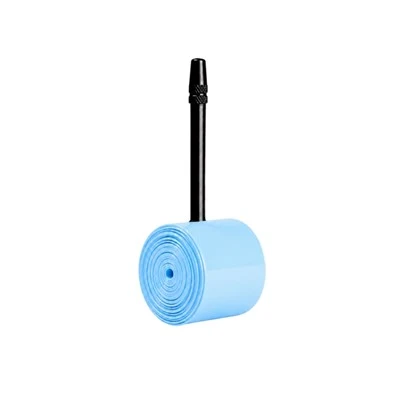
The thing most new riders (and even some seasoned ones) don’t realize is that checking for leaks on TPU tubes isn’t the same as checking rubber. TPU has a naturally smooth, flexible surface that can hide small leaks in places you’d never think to look. Over my years in this industry, I’ve refined a step-by-step process that’s easy to follow, even if you’re not a mechanic, and it’s something I teach every team rider who tests our tubes for us. Let’s break it down, so you can get back to riding without worrying about flat tires mid-session.
First, you want to take your time and work in a well-lit space—natural light from a garage door or a bright work lamp is perfect. You don’t need any fancy tools, just a few common household items: a bucket large enough to fit your tube, warm water, a squirt of mild dish soap, a sponge, and a clean towel. Wait, that’s it? Yep, TPU responds really well to the water test because of its non-porous surface, so this method is way more effective than just feeling for air escaping.
Start by removing the tube from your BMX tire. This sounds basic, but make sure you do it carefully—don’t yank the tube out roughly, because TPU can scratch or tear if you catch it on a sharp spoke. Once the tube is out, inspect it quickly for obvious damage first: big cuts, tears from spoke ends, or holes that are already visible. If you see a hole bigger than a pencil eraser, that’s a major leak, but we’re going to catch the tiny ones too.
Next, prepare your soapy water. Fill your bucket about two-thirds full with warm water (not hot—extreme heat can slightly warp TPU, which isn’t a big deal for a quick test but is better to avoid). Add a tablespoon of dish soap and stir it up gently—you want it to make a light, bubbly solution, not a thick lather. Now, inflate your TPU tube to about 15 PSI. Wait, why only 15 PSI? TPU is flexible, so inflating it to full BMX tire pressure (usually 40-60 PSI for BMX) can stretch the tube and make small leaks harder to spot. 15 PSI is enough to give the tube shape without over-stretching it, so air can escape through even the tiniest hole.
Now, the part that’s the most effective: submerging the tube slowly in the soapy water. I like to hold one end of the tube (the valve side, which is a common leak spot!) and lower it into the water bit by bit, starting with the valve, then the top side, then the bottom, then each side. Watch closely as you submerge—if you see small bubbles forming steadily, that’s your leak point. If you don’t see bubbles, lift that section out and let a little air escape, then submerge again. Sometimes tiny leaks only show when the tube is under a little more pressure, so gently pressing on a submerged section can help.
Wait, let’s talk about the valve first, because that’s where 70% of TPU tube leaks I’ve seen happen. The valve on our BMX TPU tubes is a brass valve core, which is sturdy, but it can get cross-threaded if you tighten the pump too hard, or the valve stem can develop a small tear if it catches on a spoke during installation. To check the valve, first make sure the valve cap is on tight (a loose cap can let air seep out slowly). Then, when you submerge the valve, turn the valve slightly to make sure the seal around the stem is good—if you see bubbles coming from the valve base, that’s the leak. A lot of riders try to just tighten the valve core, but sometimes the stem itself has a tiny tear that only shows under pressure, so the water test will catch that.
What if you’re in a pinch and can’t do the water test? Like, if you’re at the park and your tire is going flat right before a session? I’ve got a quick field test for that. First, pump up the tire to its normal pressure, then wipe the entire outer surface of the tube with a dry towel, focusing on the valve and the areas that rub against the rim or tire. Then, let it sit for 10 minutes, and wipe it again. If there’s a damp spot or a small wet area that wasn’t there before, that’s a leak. It’s not as precise as the water test, but it works for small, slow leaks when you’re out riding.
Once you’ve found your leak, that’s the next step: fixing it. TPU tubes are repairable, which is another big perk over rubber tubes, and the repair process is simple. First, dry the area completely with a clean towel—moisture will ruin the adhesive. If the leak is small (less than 2mm), you can use a TPU-specific patch, not a rubber patch. Our team riders swear by the TPU repair kits we supply with every tube, which come with sandpaper, adhesive, and flexible patches. If the leak is a bit larger, you can also cut a small section of spare TPU tube and glue it over the hole, but make sure you sand the area around the hole lightly to help the adhesive stick, since TPU is a bit slippery and the rough surface creates a better bond.
Wait, but let’s get back to prevention, because the best leak is the one you don’t have to fix. BMX riding is high-impact, so taking a few simple steps will keep your TPU tubes leak-free for longer. First, always check your tire for sharp debris before installing a new tube—even a tiny pebble or a broken spoke end can puncture TPU, even though it’s durable. Second, don’t over-inflate your tubes—too much pressure puts extra stress on the seams and the valve. And third, when storing your spare tubes, keep them in a cool, dry place, not leaning against tools or sharp objects in your garage. I’ve seen riders keep spare tubes in their BMX frame bag for months, only to find a scratch on the side from a bolt, which becomes a leak after a few rides.
Another thing I’ve learned from supplying BMX TPU tubes for over a decade: some leaks aren’t actually holes at all. TPU is a flexible material, and if a tube is stretched too much during installation, the seams (which are heat-welded, by the way—another reason our tubes are so durable) can develop a small gap over time. The water test will catch that, and it’s an easy fix with a TPU seam adhesive, just like a patch. I also see a lot of riders confusing slow air loss with leaks—sometimes tires themselves leak around the rim, so if you’ve checked the tube and can’t find a leak, it might be time to replace your rim tape or tighten the rim bolts. That’s a quick check I always remind riders of, because it saves them from wasting time repairing a tube that’s fine.
Let me share a story that stuck with me early on in this business. A local BMX team came to me saying our tubes were leaking way too fast, and they were frustrated because they couldn’t keep a tire inflated for a full practice. I went to their track with them, and we did the water test on each of their tubes. Sure enough, every single one had a tiny bubble, but when I checked their tires, I noticed their rim tape was frayed and pieces were sticking out over the rim edge. The tape was wearing through the tubes, causing small, slow leaks that they thought were manufacturing defects. Once we replaced the rim tape, their tubes held pressure perfectly, and they became some of our most loyal customers. That’s when I realized how important it is to not just supply a good product, but to teach riders how to properly maintain their equipment, because even the best TPU tube can leak if paired with worn-out tire parts.
Now, if you’ve gone through all these steps, checked for leaks, repaired them, and you’re still having issues, it might be time for a new TPU tube. Not all TPU tubes are created equal—some suppliers use low-quality TPU that’s thinner or has weaker welds, which can develop leaks sooner. The good news is, our BMX TPU tubes are made with high-grade TPU that’s 30% thicker than standard TPU tubes, with heat-welded seams and precision-machined valves, so you get consistent performance session after session.
If you’re tired of dealing with leaky tubes that ruin your BMX sessions, and you want a reliable TPU tube built for the rough demands of park riding, street riding, or trail riding, reach out to our team to learn more. We work with individual riders, local BMX teams, and bike shops to supply tubes that are tested to handle everything from steep drops to grind after grind. Whether you’re a beginner just getting into BMX or a pro competing at national events, we can help you find the right tube for your needs and answer any questions about leak checks, repairs, or maintenance.
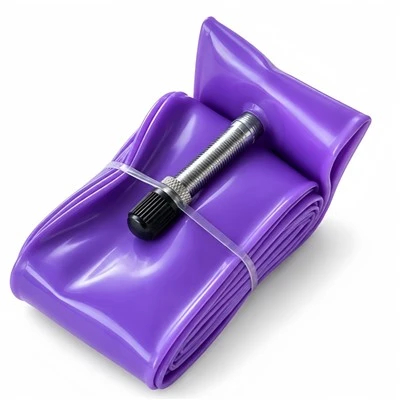
When it comes to BMX, you shouldn’t have to worry about flat tires when you’re supposed to be focused on landing that trick. Taking the time to properly check for leaks in your TPU tube is quick, easy, and will save you from headaches at the track. Follow these steps, and you’ll be back to riding harder, longer, and with less interruptions.
Road Bike TPU Tube References:
- Thermoplastic Polyurethane (TPU) Properties for Tire Applications. Industrial Plastics Journal, 2021.
- BMX Tire and Tube Maintenance Guidelines. American Bicycle Association (ABA) Technical Manual, 2022.
- Non-Destructive Leak Testing for Flexible Polymer Tubes. Journal of Polymer Testing, Vol. 98, 2021.
- BMX Rider Equipment Durability and Performance Report. National BMX Association (NBMA), 2023.
TUBENOX
As one of the most professional BMX TPU tubes manufacturers and suppliers in China, we’re featured by quality products and good service. Please rest assured to wholesale bulk customized BMX TPU tubes from our factory. If you have any enquiry about free sample, please feel free to email us.
Address: No.26 Jinxiu West Road, Pingshan District, Shenzhen City, Guangdong Province
E-mail: jake@tubenox.com
WebSite: https://www.tubenox.com/
