As a counter display boxes supplier, I get this question every single week from retailers, brand owners, and even small business owners who are scrambling to make their in-store operations more sustainable: Are counter display boxes recyclable? It’s a fair question, and it’s one that’s evolved a lot in the last five years—both in how materials are designed and how local recycling programs actually work. I’ve been working in counter display manufacturing for 12 years now, and I’ve seen firsthand how many people still lump all retail packaging into one “non-recyclable” bucket, which isn’t just wrong—it’s a missed opportunity for brands to cut waste and meet consumer demand for eco-friendly practices. Counter Display Boxes

Let’s start with the basics: not all counter display boxes are the same. When a brand comes to me asking for a counter display, the first thing we discuss is the end use, the product inside, and their sustainability goals. A box holding loose granola samples at a farmers’ market is way different than a box holding a set of high-end skincare vials at a department store, and those differences directly impact recyclability.
First, let’s talk about the most common material we use for counter displays: corrugated cardboard. That’s the same material used for shipping boxes, and it’s one of the most widely recycled packaging materials in the world. In the U.S. alone, the Environmental Protection Agency (EPA) reports that corrugated cardboard has a 92% recycling rate—way higher than plastic, glass, or even aluminum. For counter displays made from 100% virgin or post-consumer recycled (PCR) corrugated, there’s almost no question here: these are recyclable, as long as they’re not contaminated. The problem comes when brands add extra layers to make the display stand out, which is where people get confused.
A lot of older counter displays use a coating of glossy plastic or laminated paper to make them water-resistant or fade-proof. That lamination is a game-changer for durability on a store counter, but it’s also a barrier to recycling. Most curbside recycling programs don’t accept laminated cardboard because the plastic layer can’t be easily separated from the paper during the recycling process. If you toss a laminated counter display in your bin, it can contaminate an entire batch of clean corrugated, which means it’s just going to the landfill anyway. That’s why, over the last three years, I’ve worked with a lot of clients to switch from laminated corrugated to water-based coatings. These coatings are plant-derived (think soy or starch), they resist spills and light moisture just as well as plastic, and they break down completely in a paper recycling pulper. So if you’re using a counter display box with a water-based coating, it’s fully recyclable—no extra steps needed.
Next, there are counter display boxes made from rigid paperboard, the same material used for cereal boxes or retail product packaging. These are super common for small displays holding things like phone accessories, candies, or lip balms. Rigid paperboard is also recyclable in most curbside programs, but again, contamination is key. If a display has a plastic window (to show off the product inside), that window needs to be removed before recycling. Or, if the plastic is thin enough, some recycling facilities will accept it if it’s clean and placed in a separate bag—but that’s not universal. That’s why I always advise clients to design displays that either skip the plastic window altogether or use a thin, plant-based bio-plastic window, which is compostable and sometimes accepted in specialized recycling programs.
Now, what about the exceptions? Every rule has them, and in my line of work, those exceptions are usually the result of a brand not prioritizing recyclability from the start. For example, some premium counter displays use a mix of corrugated and solid plastic parts—like a base that’s plastic to hold the display steady, or a die-cut plastic insert to protect fragile products. These mixed-material displays are way harder to recycle because you can’t separate the plastic and paper easily. That’s a mistake I see newer brands make when they’re trying to make a display “look luxury”—they think plastic equals high quality, but the truth is, a well-designed all-paper counter display can look just as sleek, and way easier to recycle. I once worked with a small local brand of organic tea that wanted a display for their new matcha tins; originally, they asked for a plastic base, but we designed a 100% corrugated base with a rubberized paper coating that kept it from sliding on the counter. They cut their packaging waste by 70% and later told me that 9 out of 10 of their customers mentioned the eco-friendly display when they checked out. That’s the kind of win we’re here for.
Another big factor I see is consumer behavior. Even if a counter display box is technically recyclable, it won’t get recycled if the person who takes it home doesn’t know what to do with it. That’s why we started adding a small, unobtrusive label to every display we manufacture—just a tiny arrow that says “Recycle Me” and notes that it’s made from 100% recyclable material. For programs that have separate cardboard bins at grocery stores, we also add a line about that, since a lot of people don’t realize that store drop-off bins often accept more types of cardboard than curbside bins. I’ve heard from clients that these small labels increase the recycling rate of their displays by almost 40%—it’s a tiny change that makes a huge difference.
But here’s the thing: recyclability isn’t the only metric we should care about. A counter display box that’s 100% recyclable but falls apart after a week on the counter is a waste in itself. If a display has to be replaced every month because it can’t hold up to foot traffic or spilled soda, that’s way more material going to the landfill than a slightly more durable display that lasts three months. That’s why we test every design before we send it out—we simulate 60 days on a retail counter, test for water resistance, and make sure it’s easy to assemble so store staff don’t have to waste time putting it together. A display that works for the retailer and is easy for the customer to recycle? That’s the sweet spot.
I also want to talk about certifications, because they’re a big part of what brands look for these days. When you’re shopping for a counter display box, look for FSC (Forest Stewardship Council) certification, which means the paper comes from responsibly managed forests, and CR (Chlorine-Free) certification, which means no harmful chemicals were used in manufacturing. We’ve had our entire production line certified FSC and CR for the last five years, and it’s become a selling point for a lot of our clients. Consumers are starting to notice these little labels too—my team and I often visit retail stores to see how our displays are holding up, and we’ve had customers come up to us asking where to buy displays that are “good for the planet.” That’s a market that’s only going to grow.
Now, let’s get real about the limitations. No, counter display boxes can’t be recycled if they’re covered in food waste, coffee, or other grease. A display holding a bag of potato chips that’s completely caked in salt? That’s going to contaminate a recycling batch, so it’s better to throw it in the trash. That’s one area where biodegradable coatings come in handy—if a display gets messy, it can be composted instead of recycled, which is a good backup option. We offer compostable linings for displays that hold food or perishable items, and they break down in 90 days in a home compost bin. It’s not for every product, but it’s a great alternative for brands that want to cover all their bases.
I’ve had a lot of conversations with other counter display suppliers over the years, and a common frustration is that a lot of people still think all retail packaging is “bad” for the environment. But the data doesn’t lie: when designed and disposed of correctly, counter display boxes have a way lower carbon footprint than, say, digital displays or other in-store signage. A 2022 study from the Paper and Packaging Board found that paper packaging has a 73% lower carbon footprint than plastic packaging over its entire lifecycle, including manufacturing, use, and end-of-life. That’s not to say we can’t do better—we absolutely can, by using more PCR material, cutting down on excess ink, and making sure every display is as easy to recycle as possible.
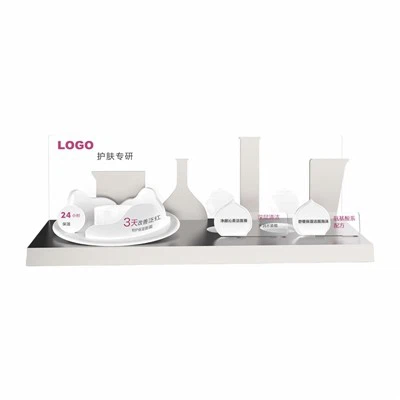
As a supplier, my job isn’t just to make a display that looks good on a counter. It’s to make a display that works for the retailer, the brand, and the planet. That’s why we work with every client to balance their needs for durability, cost, and sustainability. If you’re a brand owner, a retail manager, or anyone who needs counter display boxes and wants to make sure they’re as recyclable as possible, we can help. We’ll walk you through materials, design options, and even how to communicate the recyclability of your displays to your customers.
Counter Display Boxes Whether you’re launching a new line of health supplements, showcasing seasonal candies, or promoting a local brand, the right counter display box doesn’t have to choose between style and sustainability. It can do both. And if you’re ready to find a solution that fits your goals, reach out to us to discuss your project—we’re here to help you make choices that work for your business and the planet.
References
- U.S. Environmental Protection Agency. (2023). Cardboard and Paper Materials: Recycling Rates. EPA Office of Resource Conservation and Recovery.
- Paper and Packaging Board. (2022). Lifecycle Carbon Footprint of Paper vs. Plastic Retail Packaging. Sustainable Packaging Coalition.
- Forest Stewardship Council. (2021). Certified Counter Display Boxes: Sustainability Guidelines. FSC International Trading Network.
- National Recycling Coalition. (2022). Curbside Recycling Acceptance for Laminated and Mixed-Material Paper Products. NRC Recycling Research Report.
- Sustainable Packaging Coalition. (2023). Compostable Packaging Options for Retail In-Store Displays. SPC Eco Label Program.
Guangzhou Guangjie Display Products Manufacturing Co., Ltd.
We’re well-known as one of the leading counter display boxes manufacturers in China, also support customized service. Welcome to buy bulk high quality counter display boxes at competitive price from our factory. If you have any enquiry about pricelist and quotation, please feel free to email us.
Address: No.16-1 Lilv Road, Dashi Street, Panyu District, Guangzhou City, Guangdong Province
E-mail: guangjie_dp888@163.com
WebSite: https://www.gjdisplaystand.com/
