Hey there! Ever wondered what those super tough, often overlooked bands are that power everything from cereal packaging lines to car engine test benches? Nah, not just regular steel straps — I’m talking about metal link belts. As the guy who’s been supplying these bad boys for over a decade, I get that most folks don’t ask “what are metal link belts?” until they’re stuck with a broken line at 2 a.m. So let’s break this down like we’re grabbing coffee, no jargon, no fancy corporate fluff — just real talk about what these things actually do, why they matter, and why if you’re in manufacturing, you probably need one (or 10) in your back pocket. Metal Belts
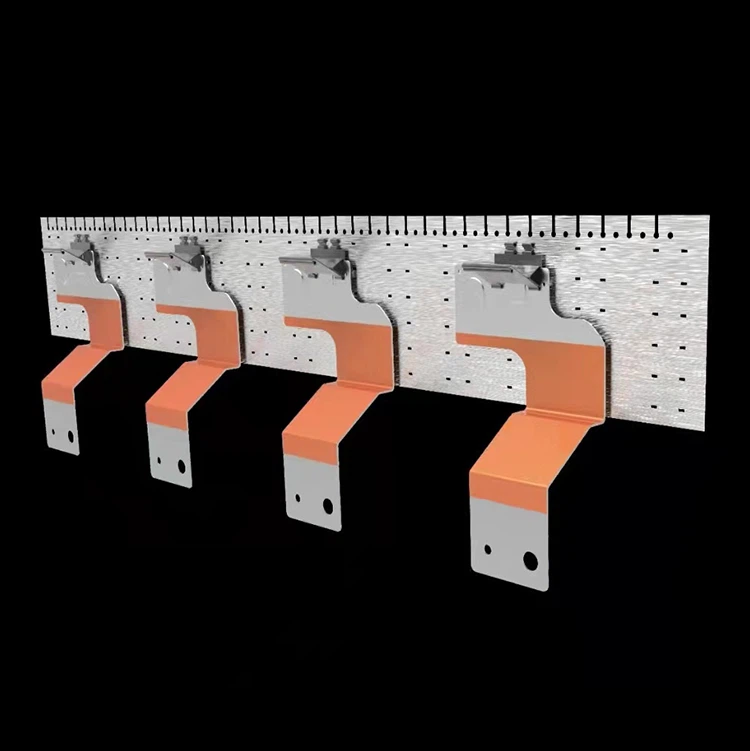
First off, let’s stop confusing them with the flat stainless steel belts you might see in an oven conveyor. Metal link belts are made of individual interlocking metal links — usually 304 or 316 stainless steel, sometimes carbon steel for heavy-duty stuff — connected side by side with small rods or rivets. That interlocked design is the game-changer here. Unlike a solid flat belt, they have gaps between each link, which makes them way more versatile than you’d think at first glance. You can get them in all shapes too: flat, slightly curved, even with raised edges to keep parts from sliding off mid-transport.
Wait, let’s get specific about what they do, because that’s the part most people miss. Let’s start with the boring (but critical) stuff: food processing. Ever had a bag of frozen veggies that came out perfectly frozen, no freezer burn? Odds are it rode on a metal link belt. The gaps let cold air circulate around every single pea or carrot, not just the ones touching a solid belt. Same with baking — think cookies coming out of a commercial oven evenly browned, no burnt spots on the bottom. The link structure lets hot air flow through, so every part of the product gets consistent heat. That’s not a happy accident; that’s metal link belts doing their job.
But they’re not just for heating and cooling. Let’s talk about automotive manufacturing, where I’ve seen these belts hold up to the wildest conditions. I worked with a shop last year testing brake calipers under extreme pressure, and they needed a belt that wouldn’t slip, could handle high temps, and wouldn’t stretch after 12-hour shifts. Metal link belts don’t stretch like rubber belts, that’s another big plus. Their solid metal construction means they maintain their tension even when you’re running them 24/7, no sagging, no downtime from constant adjustments. And if a link does get damaged? You don’t have to replace the whole belt. You just pop out the bad link and replace it. That’s a huge cost saver — trust me, I’ve heard horror stories of solid belts breaking mid-production and forcing a full shutdown that cost thousands in lost output.
Let’s not sleep on other industries either. I’ve shipped link belts to electronics plants where they transport circuit boards — the smooth, non-porous surface doesn’t scratch delicate components, and the metal won’t shed particles like plastic belts can, which would mess with tiny parts. Then there’s recycling, where metal link belts go through sorting lines with sharp, heavy metal scraps. They don’t tear, they don’t kink, and they can stand up to way more abuse than any other conveyor belt material. Even agriculture — drying grain, transporting harvested fruit without bruising — these belts handle it all.
Here’s the thing that surprises a lot of new customers: not all metal link belts are the same. A lot of people come in asking for “stainless steel belts” and have no idea that different link designs exist for different jobs. There’s the balanced link, which is super smooth for food processing, and the hook link, which has those little hooks to hold parts in place. There’s the high-temperature link, made with special alloys that can handle 1,800 degrees Fahrenheit (we use these for metal heat treating lines) and the corrosion-resistant 316 stainless ones that work in saltwater or chemical processing plants. Matching the right belt to your specific application is half the battle, and that’s where having a supplier that actually knows their stuff (hi, that’s me) makes all the difference.
I get it, if you’re not in manufacturing full-time, metal link belts might seem like a tiny, unimportant detail. But let’s be real: conveyor belt failure is one of the most common causes of unplanned downtime, and downtime costs you money. Like, real money. If your line stops for four hours on a Friday night, that’s not just missed production — that’s overtime for your team, lost orders, and pissed-off clients. Metal link belts reduce that risk. They last longer than rubber or plastic belts (we’ve got customers running belts we sold them 15 years ago that are still going strong), they’re easy to maintain, and the ability to replace individual links means you don’t have to shell out for a whole new belt every few years.
Wait, let’s address some common myths I hear all the time. First myth: “They’re way too expensive.” Yeah, upfront they might cost a bit more than a basic rubber belt. But when you factor in the lifespan — a good metal link belt can last 5-10 years vs. 1-2 years for a rubber one — and the money you save on less downtime, fewer replacements, and lower maintenance? They’re actually cheaper in the long run. Second myth: “They’re hard to clean.” Again, no — the gaps make them actually easier to clean in some ways. You can just spray them down with a pressure washer, no crevices for gunk to get stuck like on a solid belt. And for food-grade applications, we make sure all links are polished to meet FDA standards, so you don’t have to worry about contaminants. Third myth: “They only work for heavy stuff.” Nah, we make tiny metal link belts for small part assembly too — like putting together watch components or medical devices. It’s all about sizing the links and the rod thickness to your load.
So why am I telling you all this? Because if you’re reading this, odds are you’re dealing with a conveyor belt issue right now. Maybe your current belt is stretching, breaking, or leaving marks on your product. Maybe you’re planning a new production line and want to avoid the headaches everyone else has. Whatever it is, metal link belts might be the solution you didn’t know you needed.
I’ve been in this game long enough to know that you don’t want a random supplier who just ships any old belt. You want someone who will ask you the right questions: what’s your product? What temperature are you running at? Do you need FDA approval? What’s your line speed? We don’t just send you a belt and ghost you — we’ll help you pick the exact design that fits your needs, and if something goes wrong (which, let’s be real, sometimes it does), we’re here to get you back up and running fast.
Look, I’m not here to sell you a useless product. I’m here to tell you about a tool that’s solved problems for hundreds of manufacturing teams over the years. If you’re tired of downtime, tired of replacing belts every year, tired of products getting damaged because of a bad conveyor, it’s worth taking five minutes to talk. We can go over your specific needs, send you a quote, or even answer any random question you’ve got about metal link belts — no pressure, no salesy garbage.
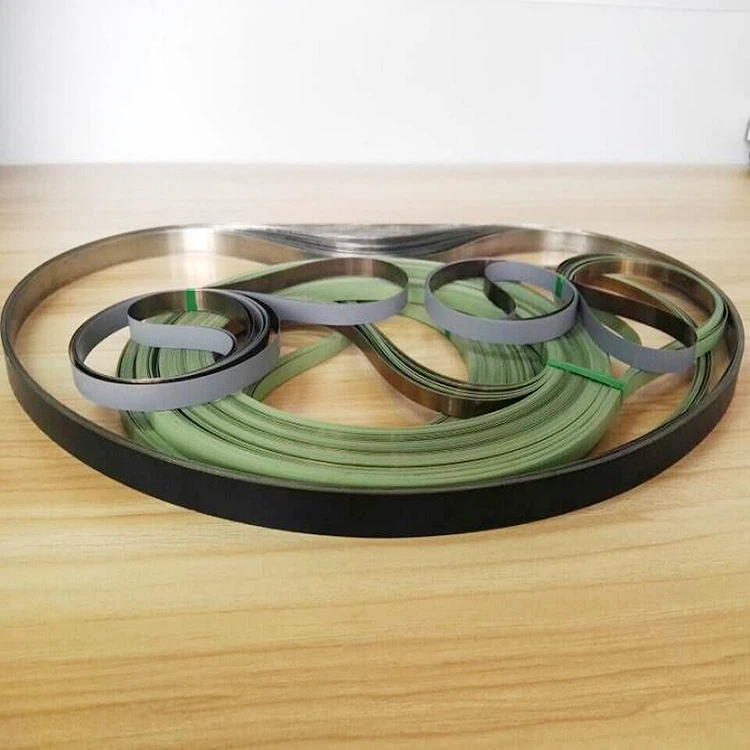
At the end of the day, metal link belts are the unsung heroes of manufacturing. They don’t get the same hype as new machinery or fancy tech, but they keep lines running, products moving, and businesses making money. If you’re ready to stop messing around with belts that can’t keep up, reach out and let’s chat. We’ll make sure you get the right belt for your job, no overpaying, no hassle.
Metal Belts References:
- "Conveyor Belt Types and Applications". Material Handling Industry Association, 2022.
- "Stainless Steel Alloys for Industrial Applications". American Iron and Steel Institute, 2021.
- "Food-Grade Conveyor Equipment Standards". U.S. Food and Drug Administration, 2023.
- "Metal Link Belt Maintenance Best Practices". Industrial Conveyor Manufacturers Association, 2020.
Qingdao Acome Machinery Co., Ltd.
Qingdao Acome Machinery Co., Ltd. is one of the most professional metal belts manufacturers and suppliers in China, featured by quality products and good service. Please rest assured to wholesale customized metal belts made in China here from our factory.
Address: No.71-006, YongPing Road, LiCang District, Qingdao, 266041, Shandong Province, China.
E-mail: info@acometech.com
WebSite: https://www.acometech.com/
