Hey there, if you’ve ever been in the market for a tipper trailer—whether you’re a construction contractor, a farm hauling grain, or someone in waste management—one question probably pops up more than any other: “How long will this thing actually last?” As a tipper trailer supplier who’s been in the game for almost 15 years, I hear this every single week. And here’s the thing: it’s not a one-size-fits-all answer. A lot of folks think these things just break down out of nowhere, but the lifespan of a tipper trailer depends on way more than just “how old it is.” Let me break this down like I chat with my regular customers over coffee—no jargon, just real talk. Tipper Trailer

First off, let’s get the basics straight: what’s a tipper trailer, anyway? For the newbies, it’s that heavy-duty, hydraulic-powered trailer you see on job sites, farm roads, or garbage runs that tilts up to dump its load without you having to shovel a thing. They’re built tough, but tough doesn’t mean indestructible. I’ve seen trailers that are 20+ years old still hauling 10-ton loads daily, and I’ve seen ones that are 5 years old sitting in a scrap yard because someone ran it into a ditch or skipped maintenance. So let’s dive into the real factors that move the needle here.
Start with the use case, because that’s the biggest one. A tipper trailer used for hauling soft stuff like sand or mulch on paved roads? That’s way gentler on the frame and hydraulics than one that’s hauling sharp, heavy rock on rough, unpaved construction sites every single day. We had a customer last year who runs a landscaping business—his 12-year-old tandem axle tipper still works like a charm, since he only hauls topsoil and leaves, no hard impacts. On the flip side, a quarry customer of ours has a 7-year-old trailer that’s already needed a new chassis because it’s hauling 18 tons of granite over rutted roads 6 days a week. That’s a huge gap right there. Even load weight matters: overloading a trailer (which a lot of guys do to save a trip) cuts its lifespan in half, easy. The stress on the suspension, hydraulics, and frame is way more than these parts are designed for.
Next up: maintenance. I can’t stress this enough. A trailer that gets regular oil changes on the hydraulic system, grease on the pivot points, and a quick inspection after every big haul? That’ll outlast a neglected one by a decade, minimum. I once sold a trailer to a farmer who only did the bare minimum—he’d forget to grease the tipper arm for months, let hydraulic fluid get low, and never checked the tire pressure. After 8 years, the frame had rusted through in spots because he left it parked outdoors in the rain, no cover. Another customer, a small waste company, brings their two tippers in every 3 months for a once-over—one’s 14, the other’s 11, and neither’s had a major part replacement outside of regular wear. It’s like your car: change the oil, keep the tires inflated, and it’ll run way longer. Skip that, and you’re just asking for trouble.
Then there’s build quality. Let’s be real here, not all tipper trailers are made the same. When I first started, we sold cheaper imports that were made with thinner steel and cheap hydraulics—those often only last 5-7 years, even with decent care. Our current line of trailers? We use high-tensile steel, heavy-duty tandem or tri-axle setups, and commercial-grade hydraulic pumps. Those, with proper use and maintenance, can easily hit 15-20 years. I’ve got a 16-year-old trailer on our lot that we refurbished for a repeat customer—he still uses it for light hauling, and it’s stronger than some new budget models I’ve seen. It’s not just the frame, either: the tipper mechanism, wiring, tires, and even the corners of the trailer bed matter. Cheaper corners will rust through fast, while heavy-duty reinforced corners hold up for years.
Wait, what about environment? If you’re running a trailer in a super humid area, or where they salt roads in the winter (hello, northern US and Canada), rust becomes a way bigger enemy than it would be in, say, Arizona. Salt eats away at steel like nothing else—we had a customer from Minnesota who had a 10-year-old trailer that needed a whole new chassis because of rust from road salt. Compare that to a customer in Texas, where it’s dry most of the year, and their 18-year-old trailer still has almost no surface rust. Even storing it matters: leaving it parked outside with no cover, exposed to rain and extreme temps, speeds up wear way more than storing it in a covered barn or lot.
Now, let’s put numbers to this, because folks love concrete answers. The average tipper trailer lifespan for a well-maintained, moderately used heavy-duty model? That’s 12 to 15 years. But if it’s light use (like small farm hauling, occasional landscaping loads), that can stretch to 18-20 years. On the flip side, if it’s heavy, daily use on rough terrain, no maintenance, stored outdoors in harsh conditions? You’re looking at 5-8 years, max. And that’s not just guesswork—we track this with every customer, and those numbers line up perfectly.
But here’s a secret I tell all new customers: even when a trailer hits that age, it doesn’t have to be done. A lot of people think 15 years means scrap, but a good trailer can be refurbished way cheaper than buying new. Replace the hydraulic lines, fix any rust spots, repaint the bed, and you’ve got a trailer that works like new for another 5-10 years. We do a lot of refurb jobs for repeat clients who don’t want to drop 10k+ on a new trailer, but their old one is still solid. Of course, if a trailer’s been in a lot of accidents, or has major frame damage, it’s not worth fixing—better to cut your losses.
Now, let’s talk about what to look for if you’re buying a used tipper trailer, because a lot of folks skip this and end up with a lemon. First, check the frame for rust or cracks—run your hands along the sides, look for bubbling paint or flaking metal. Next, test the hydraulics: lower the bed, raise it, see if it lags or makes weird noises. Check the tipper pivot points—if they’re loose and squeaky, that means no one greased them, so you’ll have to do that regularly. And don’t forget the tires and brakes—tippers carry heavy loads, so brakes that are worn out are a safety hazard, no matter how cheap the trailer is.
As someone who’s sold tipper trailers for years, the biggest mistake I see people make is buying the cheapest model just to save a buck. Yeah, a budget trailer might seem like a steal upfront, but if it only lasts 5 years, versus a quality one that lasts 15, you’re spending way more in the long run. We’ve had customers who bought a cheap import for $8k, replaced parts twice a year, and ended up spending $12k before they had to replace it—while a customer who bought our quality trailer for $12k has put 10 years on it with almost no repairs. That’s the math no one tells you.
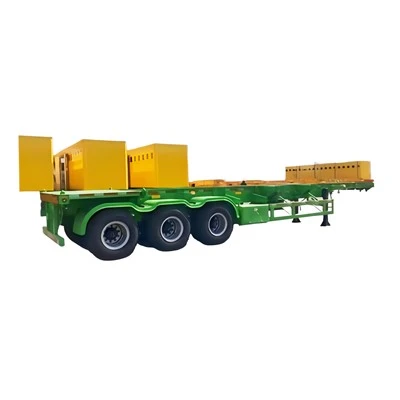
So where does that leave you, whether you’re a first-time buyer or looking to replace your old trailer? The takeaway is: lifespan isn’t fixed. It’s a mix of how you use it, how you take care of it, and what it’s made of. If you’re in the market for a tipper trailer, or you’ve got an old one that needs an overhaul, don’t just guess—reach out. We’ll walk you through what model fits your work, how to keep it running for as long as possible, and even help with refurb options if your current trailer’s ready for a refresh. No sales pressure, just straight talk from a guy who’s been around these things long enough to know what works.
Td Series – 100–150 Hp Heavy-duty Chassis At the end of the day, a tipper trailer is a big investment—you don’t want one that’ll fold on you mid-job. So ask questions, check build quality, and don’t skip maintenance. That’s how you get the most years out of it. If you’re ready to chat about what you need, hit us up to talk through your hauling needs, load sizes, and whatever questions you’ve got about lifespan or upkeep. We’re here to help you make a call that’ll work for your business (or farm, or whatever you’re using it for) for years to come.
References
- Trailer Builders & Repairers Association. (2022). Heavy-Duty Commercial Trailer Lifespan Guidelines.
- National Association of Farm Equipment Dealers. (2021). Farm Tipper Trailer Use & Maintenance Best Practices.
- Occupational Safety and Health Administration. (2020). Heavy Equipment Maintenance for Construction & Hauling Vehicles.
Qingdao Leonmec Mechanical Co., Ltd.
As one of the most professional tipper trailer manufacturers and suppliers in China, we have world-leading production equipment and strong manufacturing capabilities. Please feel free to buy durable tipper trailer made in China here from our factory. For price consultation, contact us.
Address: ROOM 903, BUILDING 3 NO.480 JIANGSHAN SOUTH ROAD HUANGDAO DISTRICT (FORMER ECONOMIC & TECHNOLOGICAL DEVELOPMENT ZONE) QINGDAO CITY, SHANDONG PROVINCE P.R.CHINA
E-mail: info@leonmec.com
WebSite: https://www.leonmec.com/
