If you’ve ever walked into a manufacturing shop or industrial facility and caught that sharp, acrid smell hanging around the machinery, chances are you’ve encountered industrial lubricating oil gone bad. As someone who’s supplied industrial lube to shops for over a decade, I’ve seen this odor turn into a total headache for operators—think downtime, confused maintenance teams, even lost production because no one can pinpoint why the oil smells off. But it’s not just a random quirk; there’s actual science behind that stench, and understanding it can save you from a lot of trouble. Industrial Lubricating Oil
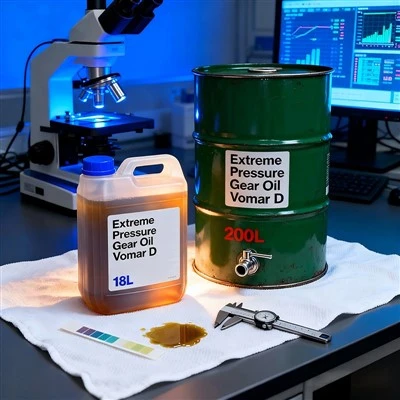
First, let’s break down what industrial lubricating oil even is, because that sets the stage. Most industrial lube starts as base oil—either mineral (crude oil-derived) or synthetic (man-made for high-stress jobs like gearboxes or turbines). Then we add additives: things to prevent rust, reduce wear, stop foam, and keep the oil from breaking down too fast. This mix is supposed to be stable, odorless (or faintly oily, not unpleasant), and do its job for months or years—unless something goes sideways.
The number one culprit behind that bad odor is oxidation. Think of it like how an apple turns brown when you cut it: expose oil to oxygen, heat, and certain metal catalysts (like iron or copper from your machinery), and it starts to break down. Unlike an apple, though, the byproducts here aren’t just brown gunk—they’re volatile organic compounds (VOCs) that smell like rot, vinegar, or even burnt plastic. Here’s the thing: industrial machinery runs hot, right? For example, a gearbox in a conveyor system might hit 180°F, and a turbine can get way hotter than that. That heat speeds up oxidation so much that even high-quality lube can start smelling bad in half its expected lifespan. I’ve seen this first-hand with a food processing plant they thought they were using “premium” lube, but their conveyor gearboxes ran 20°F over the recommended temp—within 6 months, the oil smelled like sour milk, and they had to drain and replace 12 tanks.
Next up, microbial contamination. Wait, you read that right—bacteria and fungi can live in industrial lubricating oil. How? Because even the best-sealed systems can get tiny amounts of water condensation over time, especially in facilities with extreme temperature swings (like a warehouse that freezes at night and heats up during the day). That water mixes with the oil, and boom—food source for microbes. The bacteria produce byproducts like fatty acids and sulfur compounds, which smell like rotten eggs or moldy cheese. I had a customer in a paper mill who noticed their hydraulic oil smelled musty and their system pressure dropped. We tested the oil and found thousands of microbes per milliliter—they thought it was a bad batch when they bought it, but it was just water leaking into the reservoir over a year. Microbial odor is usually a sign of hidden water, so if you smell that, don’t ignore it—check your seals and breathers.
Then there’s thermal degradation, which is a step beyond oxidation. If oil gets way too hot (like a bearing seizure that pushes temps over 500°F), it doesn’t just break down—it carbonizes, creating things like aldehydes and ketones. Those smell sharp, like burnt toast or chemicals, and they’re a sign that the oil is toast (pun intended). A common mistake here is overloading machinery—operators sometimes crank up the load to get more work done, which makes the lube run hotter than designed. I had a construction company that was using their excavator for extra heavy digging, and the engine oil started smelling like burnt plastic because the bearing ran hot enough to break down the oil’s additives. They ended up replacing the bearing and the oil, which cost way more than if they’d stuck to the recommended load.
Wait, what about cross-contamination? A lot of shops mix different types of lube by accident—like putting gear oil into a hydraulic reservoir, or even adding a generic “top-up” oil that’s not compatible. When incompatible oils mix, their additives can react, creating byproducts that smell off. I once got a call from a textile plant who said their oil smelled like diesel—turns out a maintenance worker accidentally added 5 gallons of off-road diesel to their hydraulic system when topping up. The reaction between the oil and diesel created that strong, fuel-like odor, and they had to flush the whole system. That’s a silly mistake, but it’s super common—always label your lube drums and train your team not to mix!
Now, let’s talk about why this odor matters beyond just being unpleasant. A lot of operators brush it off as “just oil aging,” but that’s risky. If the oil is smelling bad, it’s already losing its lubricating properties—oxidized oil has higher acidity, which eats away at metal parts, leading to wear and breakdown. Microbes can eat through seals, too, causing more leaks and water contamination. Thermal degradation means the oil is no longer protecting against heat, so parts seize or wear out faster. And if you ignore the odor, you’re looking at unplanned downtime, costly repairs, and even safety issues—like if bad oil causes a hydraulic line to fail, that’s a hazard for workers.
As a supplier, I tell my customers: don’t wait for the smell to act. But if you do smell something off, here’s what to check first. First, test the oil—we offer free oil analysis for our customers, and that tells us exactly if it’s oxidation, microbes, cross-contamination, or something else. Second, check for water leaks, overheating, or mix-ups with other oils. Third, make sure you’re using the right lube for your machinery—we’ve seen shops try to save money by using a lower-grade lube that can’t handle their operating temp, which leads to all that odor and breakdown.
I know some folks might think “it’s just a smell, I can work around it,” but after 15 years in this business, I can tell you that’s a costly mistake. I’ve seen a small fabrication plant close for 3 days because their main CNC machine’s oil went bad—they lost $20k in production during that time, just because they didn’t want to drain and replace the oil early. It’s way cheaper to address the odor early than to fix the damage that comes with it.
If you’re dealing with smelly industrial lubricating oil, or you want to make sure your current lube is the right fit for your machinery, reach out to us to talk through your needs. We can help you test your existing oil, fix the root cause of the odor, and find a lubricating oil that’s tailored to your facility’s operating conditions—no guesswork, no hidden costs, just solutions that keep your machinery running smooth and smell-free.
Gasoline Engine Oil References:
- Rybak, W. (2018). Oxidation of Mineral Lubricating Oils: Mechanisms, Inhibitors, and Condition Monitoring. Tribology International, 125, 112-121.
- Passman, F. J. (2020). Microbial Contamination of Industrial Lubricants: Detection, Prevention, and Remediation. Journal of Industrial Microbiology & Biotechnology, 47(9), 789-801.
- Shubhra, K. (2019). Thermal Degradation of Synthetic Lubricants for High-Temperature Industrial Applications. Wear, 432-433, 202-210.
- American Society of Mechanical Engineers (ASME). (2021). Guide to Industrial Lubricant Maintenance and Odor Mitigation. ASME Press.
MoGen Lubricating Oils
With abundant experience, we are one of the most professional industrial lubricating oil manufacturers and suppliers in China. We warmly welcome you to wholesale custom made industrial lubricating oil from our factory. If you have any enquiry about cooperation, please feel free to email us.
Address: No.8003 Chewang Rd, Economic Development Zone Of Jinan, Shandong Province, China 250301
E-mail: sales@mogenoils.com
WebSite: https://www.mogen-oil.com/
