If you’ve ever worked with thermal laminating films, you know how satisfying a crisp, protected document feels—until you need to remove it. Maybe you messed up a laminating job, a client requested a revised original, or a printed piece has outdated info that needs to be updated. As a supplier of thermal laminating films, I’ve fielded this question hundreds of times over the past 12 years: how do you remove thermal laminating film without ruining the document underneath? It’s not as simple as peeling a sticker, and it’s way less harsh than using harsh chemicals. Let me walk you through the science, the common mistakes to avoid, and the methods that actually work. Thermal Laminating Film
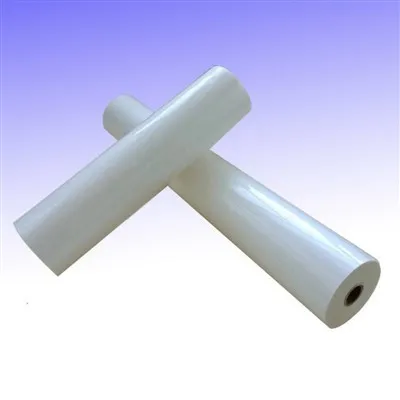
First, a quick refresher on how thermal laminating film bonds to paper—this matters more than you might think. Thermal laminating has two core layers: a thin plastic top layer (usually polyester, sometimes polypropylene) and a heat-activated adhesive layer on the back. When you run a document through a hot laminator, the heat melts the adhesive, which seeps into the fibers of the paper or cardstock below. The pressure from the laminator presses everything together, creating that permanent, protective bond. That’s why peeling it off cold is like trying to pull wet glue off fabric—it sticks tight. The key to removal is reversing that bond without damaging the document.
Let’s start with the most accessible method for home or small office use: heat. I recommend a low-temperature, targeted approach here, because too much heat will scorch paper or melt the laminating film in a bad way. A hair dryer set to medium or low heat works great, especially for smaller projects like single photos or business cards. Here’s what I tell my clients to do: lay the laminated document flat on a heat-resistant surface (like a wooden table or a silicone mat—never a metal counter that gets too hot). Hold the hair dryer 2 to 3 inches away from the lamination, moving it in slow, sweeping motions to avoid overheating any one spot. After 30 to 60 seconds, the adhesive will start to soften. Test a corner with your fingernail—if it lifts easily, start peeling slowly at a 45-degree angle. Don’t yank it straight up; that can tear the paper fibers. If the adhesive starts to stick, hit that spot with a little more heat before continuing. This method works 9 times out of 10 for standard laminating films on plain paper, though it can take a bit of patience for thicker cardstock.
But what if you’re dealing with a larger project—like a laminated poster or a group of flyers—where a hair dryer isn’t efficient? For that, I suggest a hot water bath method, which is gentler than most people assume. The logic here is that water can seep into the paper fibers to break down the adhesive without damaging the print. Grab a shallow pan large enough to fit your document, fill it with warm (not boiling) water, and submerge the laminated piece. Let it sit for 2 to 5 minutes—you’ll notice the lamination start to bubble and separate from the edges. Once it’s loose, gently work a corner free with your fingers, then slowly peel the film off in a steady motion. If any adhesive stays on the paper, you can rub it off with a soft cloth or a cotton swab dampened with a little rubbing alcohol. I’ve used this method on 10-year-old laminated documents before, and I’ve never had a client report a ruined print from it—just make sure the water isn’t hot enough to warp the paper, especially thin photo paper.
Now, the mistakes I see people make all the time that end up ruining their documents. First, using boiling water. That’s a no-go for most paper; boiling water will warp thin cardstock, fade inkjet prints, and even dissolve some cheap adhesives, leaving a sticky mess on the document. Second, using a regular iron. Irons are way too hot and have uneven pressure—they’ll either melt the laminating film into the paper permanently or singe the edges. I’ve had a client bring in a wedding photo they tried to remove lamination from with an iron, and half the photo turned brown and crumbled. Third, using strong chemical solvents like acetone or nail polish remover. Those can dissolve plastic, fade print ink, and leave stains on paper. I’ve tested a few solvents over the years for our own product research, and even small amounts can eat through the ink on color documents, so I never recommend them.
Wait, what about self-adhesive laminating film vs. thermal laminating film? A lot of people mix these up, and removal works differently. Self-adhesive is the kind you peel and stick, so you can usually just peel it off cold without much trouble (and it leaves less residue, too). Thermal is the heat-bonded kind I’ve been talking about, which is much harder to remove because of that melted adhesive. That’s an important distinction, so if you’re not sure which you have, check the packaging: thermal laminating film will say it requires a hot laminator, not just peeling a backing.
For more stubborn cases—like laminating films that have been on a document for years, or films with extra-thick adhesive—you might need a little extra help. I’ve found that a plastic card, like an old gift card or a credit card, works great for prying loose the edge of the lamination without tearing the paper. Slide the card between the film and the paper at a corner, twist gently to create a small gap, then use that gap to start peeling the rest of the film off. Just make sure the film is soft first with heat or water—trying to pry it cold will definitely tear the document.
As a supplier, I also want to mention that the type of thermal laminating film you use affects how easy it is to remove. We make two main lines of thermal laminating film: a standard permanent grade for everyday use, and a “repositionable” grade that’s designed to be removed without leaving residue. A lot of customers don’t know that repositionable thermal film exists, so they buy permanent thinking they’re getting a better product, only to realize they can’t remove it later. That’s why I always tell people to check the product specs before buying: if you think you might need to remove the lamination down the line, go for the repositionable grade. It bonds just as well for everyday use, and it peels off cleanly with just a little heat, no fancy steps needed.
Another question I get: can you remove thermal laminating film from plastic or other non-paper surfaces? We test our films on lots of materials, and the answer is, it’s trickier. If you laminated a plastic card or a sign, the adhesive will bond to the plastic too, so you might need to use a heat gun (set to low) instead of a hair dryer to soften the adhesive enough to peel it off. But even then, some plastic surfaces might warp from the heat, so test a small, inconspicuous spot first. For fabric, good luck—thermal adhesive seeps into fabric fibers, so removal usually means damaging the fabric, which is why thermal lamination isn’t recommended for clothing.
Let’s wrap this up with a quick troubleshooting guide. If you’re mid-removal and the film is tearing, that means you’re trying to peel it too fast or it’s not soft enough. Go back and apply a little more heat or leave it in the water a minute longer before trying again. If adhesive is left on the document after peeling, use a cotton swab dampened with isopropyl alcohol (70% or higher) to gently rub it off—don’t scrub hard, or you’ll damage the print. And if all else fails, remember that for the vast majority of jobs, the methods I’ve laid out work. I’ve yet to have a customer who followed these steps end up with a ruined document.
Whether you’re a small business owner updating flyers, a student revising a project, or a hobbyist repurposing old photos, removing thermal laminating film doesn’t have to be a headache. The key is to be patient, use targeted heat or water, and pick the right film in the first place if you think removal might be needed.
If you’re in the market for thermal laminating film, we have a full line of permanent and repositionable options, and our team can help you choose the right one for your needs. Whether you’re ordering for a small office or a large print run, we’re here to answer your questions and make sure you get the right product for the job. Reach out to our team to discuss your requirements and find the perfect laminating film for your projects.
Holographic Thermal Laminating Film References
- Technical Guide to Thermal Laminating Adhesives, 2022, International Association of Printing House Manufacturers (IAPHM)
- Material Science of Polyester Laminating Films, 2021, Society for Imaging Science and Technology (IS&T)
- Best Practices for Lamination Removal, 2023, National Print and Sign Association (NPSA)
Yantai Hongqing Packing Material Co., Ltd.
Yantai Hongqing Packing Material Co., Ltd. is one of the most professional thermal laminating film manufacturers and suppliers in China, also supports customized service. Welcome to wholesale advanced thermal laminating film made in China here and get quotation from our factory. Quality products and reasonable price are available.
Address: Eastern Industrial Park, Taocun, Yantai, Shandong Province, China
E-mail: cindy@ythongguang.cn
WebSite: https://www.hqingnewmat.com/
