As a supplier of high pressure pumps, I get a lot of questions from concrete contractors, construction managers, and equipment operators: “Why does the pump I use for concrete cutting keep breaking down mid-job?” or “Can a high pressure pump really make my concrete cuts cleaner and faster without the dust I hate?” The short answer is yes—but not all high pressure pumps are built the same, and when it comes to concrete cutting, the details of your pump’s design, pressure output, and reliability make all the difference. Let’s break this down, from how concrete cutting actually works to what you need in a pump to get the job done right. High Pressure Pump

First, let’s ground this in how concrete cutting with high pressure works. Traditional concrete cutting uses diamond blades, which generate massive friction, wear down fast, and produce clouds of silica dust that’s a major health hazard and environmental nuisance. High pressure concrete cutting—often called hydrodemolition or water jet cutting—uses a focused stream of water at pressures between 30,000 PSI and 55,000 PSI to erode concrete precisely. The water displaces the concrete matrix without damaging the underlying steel rebar, and since there’s no friction from a blade, you get zero silica dust. That’s why it’s become the go-to method for bridge deck repair, road resurfacing, tunnel maintenance, and even interior concrete demolition in tight urban spaces.
The high pressure pump is the heart of this system. Without a pump that can consistently deliver that high pressure, steady flow, and durability in rugged construction sites, the entire cutting process falls apart. Let’s talk about what makes a pump suitable for this specific application, not just any high pressure pump. For starters, concrete cutting requires continuous, stable pressure fluctuations. If your pump can’t hold a consistent 40,000 PSI mid-cut, the water stream becomes irregular, leading to uneven cuts, wasted time, and even rework that costs thousands of dollars. That’s not just a minor inconvenience—on a 10,000-square-foot bridge deck project, reworking a uneven 1-inch cut adds up to hundreds of extra linear feet of work.
I’ve seen this first-hand. Last year, a contractor from the Pacific Northwest came to me frustrated: his old pump would drop pressure whenever he cut through rebar, leaving him with ragged edges and having to go back with a diamond grinder to finish the job. The problem? His pump was designed for general cleaning, not concrete cutting. General purpose pumps often use single-acting plungers, which rely on atmospheric pressure to draw water in, leading to pressure surges and inconsistent output. High pressure pumps for concrete cutting use double-acting plungers that pressurize water on both the intake and exhaust stroke, creating a steady, pulsation-free stream. That’s a non-negotiable feature for this application.
Next, flow rate matters. Concrete isn’t a uniform material—some mixes are denser, some have more aggregate, and you might be cutting through thick sections vs. thin pavements. The right flow rate pairs with pressure to cut efficiently. For thin concrete (up to 6 inches), you can get away with a lower flow rate around 10 GPM, but for thick industrial concrete or bridge decks, you need 20 GPM to 30 GPM to break down the material quickly. A pump that can adjust flow rate on the fly without losing pressure is a huge asset. I always tell contractors: don’t overbuy pressure you don’t need, but never underbuy. If you’re tackling high-density concrete, a 30,000 PSI pump will take twice as long as a 45,000 PSI pump, which adds labor costs that erase any initial savings on a cheaper pump.
Durability is another make-or-break factor for these pumps. Construction sites are rough: dust, debris, constant movement, and exposure to water and chemicals. Pumps for concrete cutting need to be built with heavy-duty components—stainless steel plungers, reinforced crankshafts, and sealed hydraulic systems that prevent contamination from concrete dust and silt. I’ve had customers use our pumps for over 10 years with only routine maintenance, while a competitor’s pump that they rented for a job lasted less than 18 months. The difference is in the design: our pumps aren’t optimized for residential power washing, they’re built for 24/7 use on construction sites, with corrosion-resistant parts that hold up to saltwater exposure for coastal bridge projects or harsh de-icing chemicals on road jobs.
Wait, some might argue that electric pumps vs. diesel pumps are the way to go. Let’s clear that up. Electric high pressure pumps are great for stationary or indoor jobs, like cutting concrete in a warehouse or a basement renovation where you have access to power. They’re quieter, produce zero exhaust emissions, and have lower operating costs. But for outdoor jobs, especially remote ones like highway resurfacing or mountain bridge repair, diesel pumps are essential. They’re self-contained, no need for external power sources, and can handle heavy loads for extended shifts. I always work with customers to match the pump type to their specific jobsite needs—there’s no one-size-fits-all, but choosing the wrong one leads to headaches.
Another often-overlooked feature is safety. High pressure water is dangerous—even at 30,000 PSI, a stray stream can penetrate skin and cause serious injury. Modern high pressure pumps for concrete cutting come with built-in safety features: pressure relief valves that activate instantly if the line is blocked, remote control operation so operators don’t have to be right next to the pump, and low water shutoff that prevents the pump from running dry, which can destroy the plungers in seconds. I’ve had customers who skipped these features and ended up damaging their pumps beyond repair, adding tens of thousands in replacement costs to their project. It’s a small investment in a good pump that pays off in safety and longevity.
Now, let’s talk about the cost angle. A lot of contractors will opt for a cheap used pump, thinking they’re saving money. But the truth is, downtime from a broken pump is far more expensive than investing in a quality new one. A mid-tier high pressure pump for concrete cutting costs between $15,000 and $30,000, depending on pressure and flow rate. A cheaper used pump might cost half that, but if it breaks on a $50,000 a day job, you’re losing more in downtime than the difference between the used and new pump. Plus, many quality pumps come with a 2-year warranty and access to service teams that specialize in high pressure systems for concrete cutting, so you don’t have to wait weeks for a repair.
I see a lot of contractors making the mistake of treating their high pressure pump like a commodity. It’s not a drill or a saw that you rent for one job; it’s a long-term asset that can make your entire operation faster, cleaner, and more profitable. Let’s circle back to that contractor I mentioned earlier from the Pacific Northwest. He rented a lower-quality pump for his bridge repair job, and after three days of pressure drops and uneven cuts, he reached out to me. We paired him with a 40,000 PSI double-acting plunger pump with 25 GPM flow rate, designed specifically for concrete cutting. He finished the job two days ahead of schedule, eliminated 100 linear feet of rework, and saved over $12,000 in labor costs. That’s the value a good pump brings.
If you’re in the market for a high pressure pump for concrete cutting, don’t just go by specs on a website. Ask yourself: What type of jobs do I do most often? Do I work in remote locations or indoor spaces? What’s the thickness and density of the concrete I cut? How much downtime can I afford? These questions will help you narrow down the right pump. And if you’re not sure, don’t hesitate to reach out— I’ve worked with contractors of all sizes, from small residential demolition teams to large highway construction firms, to match them with the right pump for their needs.
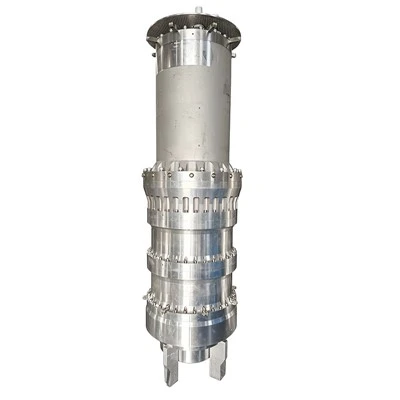
Ready to upgrade your concrete cutting operation, reduce downtime, and get cleaner, more precise cuts? Don’t settle for a pump that can’t keep up with your jobs. Let’s connect to discuss your project requirements, compare our line of high pressure pumps designed exclusively for concrete cutting, and find the solution that fits your budget and workflow. We’re here to support you, from initial consultation to on-site training and ongoing maintenance, so you can focus on getting the job done right.
Reciprocating Pump References:
- American Society of Mechanical Engineers. (2018). Hydrodemolition Technology for Concrete Repair and Strengthening. ASCE Journal of Construction Engineering and Management, 144(8), 04018072.
- Occupational Safety and Health Administration. (2020). Silica Dust Exposure Prevention in Construction. OSHA Technical Manual Section 3: Construction Industry.
- Concrete Repair Association. (2021). Best Practices for Hydrodemolition in Concrete Structure Restoration. CRA Guidelines for Field Applications.
- High Pressure Water Jet Association. (2019). Design Criteria for Industrial Pumps in Abrasive Water Cutting Applications. HPWA Standards for Pump Manufacturing.
Hangzhou Turbo Energy Technology Co., Ltd.
As one of the most professional high pressure pump manufacturers and suppliers in China, we’re featured by quality products and good price. Please rest assured to buy advanced high pressure pump made in China here from our factory. We also accept customized orders.
Address: C712, Block C, Westlake International Science and Technology Building, Huaxing Branch Road, Xihu District, Hangzhou, Zhejiang, China.
E-mail: sales@turboenergytech.com
WebSite: https://www.hangzhouturboenergy.com/
