If you’ve ever driven down a rural road or past a residential neighborhood lined with power lines, you’ve probably glanced at the tall, silver poles holding those wires in place. For decades, wooden utility poles were the go-to choice, but in recent years, more municipalities and utility companies have been switching to steel utility poles—especially in coastal areas, high-wind zones, and regions with extreme temperature swings. As a steel utility pole supplier who’s worked with these projects for over a decade, one question still comes up more than any other: “Do steel utility poles rust?” It’s a fair question, and one that deserves a clear, science-backed answer—especially when budget, safety, and long-term maintenance are on the line. Steel Utility Pole
First, let’s get one thing straight: all steel will rust if it’s not properly protected. Rust is the natural electrochemical reaction that occurs when iron (the main component of steel) comes into contact with oxygen and moisture. That reaction breaks down the metal over time, leaving it pitted, weak, and eventually unusable. But here’s where things get interesting: steel utility poles don’t have to rust. The trick is in the protective layers we (as suppliers) and our clients put in place to prevent that reaction from ever starting.
Let’s break down how that works. The two most common protection methods for steel utility poles are hot-dip galvanizing and powder coating. Hot-dip galvanizing is the industry standard for most outdoor steel structures, including utility poles. Here’s a quick, simplified science lesson: when we dip a finished steel pole into a vat of molten zinc (kept at around 840°F, or 450°C), the zinc chemically bonds to the steel’s surface, creating a thin, uniform layer of zinc alloy. This layer acts as both a barrier between the steel and the elements and a “sacrificial” layer—meaning if any small scratch or gap does expose the steel underneath, the zinc will corrode before the iron does. It’s like having a backup defense for the steel, which is why galvanized steel poles can last 75 years or more in most environments.
Powder coating is another popular option, especially for poles that need a finished, colored surface (think: poles that blend in with historic downtown streetscapes or residential neighborhoods). Instead of using liquid paint, we apply a dry, powdered polymer electrostatically to the steel pole, then cure it in an oven, where it melts into a hard, smooth, durable finish. Like galvanizing, this coating creates a barrier against moisture and oxygen, but it’s also highly resistant to UV rays, which is a big deal for poles exposed to direct sunlight year-round. The best powder coatings for utility poles are formulated to hold up for 20 to 30 years before they need any touch-ups, and when paired with a galvanized base layer, they extend the pole’s lifespan even further.
Now, let’s talk about when rust does happen—because it’s not impossible, but it’s almost always due to improper installation, lack of maintenance, or choosing the wrong protection for the environment. For example, coastal regions have high levels of salt in the air, which is highly corrosive. Salt breaks down protective coatings much faster than rain or regular moisture. If a pole installed in Florida or Maine’s coast is only galvanized with a thin, standard coat (instead of a thick, marine-grade galvanizing application), rust can start to form in as little as 10 to 15 years. Similarly, if a pole’s base isn’t properly sealed before being buried in the ground, soil moisture, bacteria, and chemicals in the soil can eat away at the protective layers, causing rot (wait—rust) at the base long before the pole shows signs of wear above ground.
I’ve seen this firsthand early in my career. Back in 2012, we supplied a set of steel poles for a small coastal town in North Carolina. The client opted for standard galvanizing to save a few dollars, and we didn’t mention that marine-grade coating was a better fit for their location. By 2018, inspectors noticed rust spots on the lower 6 feet of each pole, and we had to go back to treat 12 of them with zinc-rich paint and add protective sleeves at the base. It was a costly mistake for both our team and the town, and it taught us a lesson we still share with every client today: match the protection to the environment, not just the budget.
Another common misconception is that steel utility poles require more maintenance than wooden poles. The truth is, the opposite is true when they’re properly installed. Wooden poles need regular inspections for rot, insect damage (termite, carpenter ant, beetle), and cracks—usually every 3 to 5 years—and they need to be pressure-treated with chemicals every 10 to 15 years to extend their life. Steel poles, on the other hand, only need inspections every 10 to 15 years, and if they’re galvanized or powder-coated correctly, you won’t need to treat them with anything. The only maintenance they might need is touching up small scratches from accidents or construction, which is a quick, low-cost job compared to replacing a wooden pole that’s been infested.
Wait, but what about in extreme environments? Let’s say a pole in a desert with extreme temperature swings—freezing at night, over 100°F during the day, and lots of wind. Does that cause rust? Again, it’s all about protection. Standard galvanizing works in deserts, but if you pair it with a UV-resistant powder coat, the finish won’t crack or peel from the temperature changes, so the steel stays protected. I’ve seen steel poles in Arizona that have been up since 2005, no rust, no issues—because we customized the coating for that climate.
So, to circle back to the original question: Do steel utility poles rust? The short answer is: only if they’re not properly protected, installed, or matched to their environment. That’s why, as a steel utility pole supplier, we don’t just sell poles—we partner with our clients to assess their location, budget, and long-term needs to pick the right protection. For rural areas with moderate climates, standard hot-dip galvanizing is more than enough. For coastal or industrial zones with high corrosion, we offer heavy-duty galvanizing and epoxy coatings that can last 50 years or more. For areas where aesthetics matter, powder coating comes in a range of colors to blend with the surroundings.
We also work closely with electrical engineers, contractors, and municipal officials to address any concerns they have. Last year, a utility company in Ohio was worried about steel poles rusting in their cold, snowy climate, where road salt is used heavily in winter. We walked them through our heavy-duty galvanization process, explained how the sacrificial zinc layer would protect the steel from salt corrosion, and even provided a 50-year corrosion performance guarantee on the poles we supplied. They went with our product, and when they sent inspectors out last spring, they reported zero rust—even on poles near main roads with lots of salt exposure.
If you’re comparing steel utility poles to other options, it’s important to weigh the long-term costs, too. Yes, steel poles might have a higher upfront cost than wooden poles, but over their lifespan, they’re cheaper to maintain, less likely to fail (steel is stronger than wood, so it holds up better to wind, ice, and collisions), and they don’t have the environmental downsides of wooden poles (which are often treated with toxic chemicals that can leach into soil and water, and can’t be recycled as easily). When you factor in lifespan and maintenance, steel poles often end up being the more cost-effective choice for municipalities and utility companies.
That said, we’re not here to say steel is perfect. No material is. The key is choosing the right product for your project, and that’s where we come in. Too many clients get stuck on the upfront price, and end up paying for it later with costly repairs or replacements. We take the time to explain the differences in protection, what works for your specific location, and help you make a decision that will save you money in the long run.
So, whether you’re planning a new residential development, upgrading a rural power line, or replacing aging poles in a coastal town, you don’t have to worry about steel utility poles rusting—if you work with a supplier who knows what they’re doing. We’ve installed thousands of poles across the country, in every type of climate, and we stand behind the quality of our products.
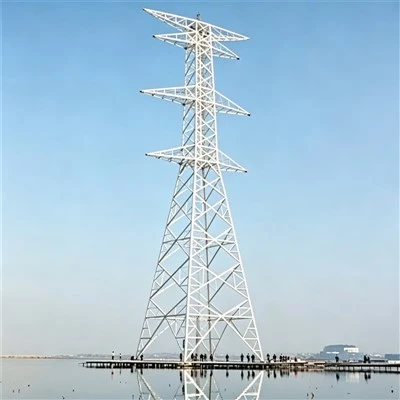
If you’re ready to learn more about steel utility poles, get a custom quote for your project, or just have more questions about protection, installation, or lifespan, we’re here to help. Don’t let concerns about rust or durability hold your project back—steel utility poles are a reliable, long-lasting choice when done right. Reach out to our team today to start the conversation.
Boiler Auxiliary Equipment References
- American Galvanizers Association. (2022). Galvanized Steel for Utility Poles: Corrosion Performance and Longevity. https://galvanizeit.org
- National Electric Light Association. (2021). Steel Utility Pole Maintenance and Corrosion Prevention Guidelines.
- Powder Coating Industry Association. (2020). Performance Standards for Outdoor Protective Coatings on Steel Utility Structures.
Qingdao Hongyuanfeng Power Equipment Co., Ltd.
Hongyuanfeng is one of the most professional steel utility pole manufacturers and suppliers in China, also supports customized service. Please feel free to wholesale advanced steel utility pole in stock here from our factory. Good service and quality products are available.
Address: No.42 Fengwu Road, Beiguan Industrial Park, Jiaozhou City
E-mail: 13808970205@163.com
WebSite: https://www.hyfsteelpod.com/
