When I first started working as a Pheromone Lures supplier, I’ll admit I took a lot of calls from frustrated farmers and gardeners asking the same question: “Why did I buy your lures, and where are all the beneficial bugs?” At the time, I’d give the standard sales pitch—they work, they’re safe, they’re effective—but over the years, I’ve learned that the answer isn’t that simple. It’s not a yes or no; it’s a matter of understanding what pheromone lures are designed to do, which beneficial insects they actually attract, and how to use them right. Let me break this down, because if you’re growing crops, raising pollinator-friendly gardens, or managing a small orchard, this question matters more than you might think. Pheromone Lures
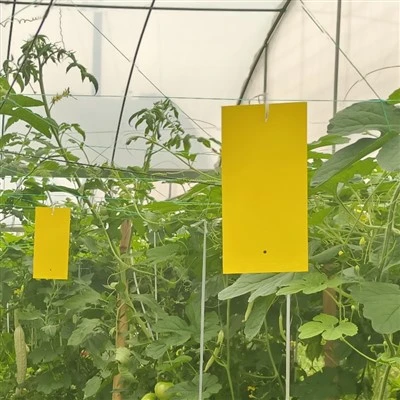
First, let’s get clear on what pheromones are, because there’s a lot of misinformation out there. Pheromones are chemical signals that insects use to communicate with each other. Moths release sex pheromones to find mates, aphids release alarm pheromones when they’re threatened, bees use pheromones to mark nectar sources. For decades, farmers have used these to target pest insects—like codling moths or corn borers—by setting out lures that trick males into mating with a false signal, reducing populations without harsh chemicals. But the line between pest and beneficial insect is blurry for a lot of people. Beneficials are the ones that help you: pollinators like bees and butterflies, predators like ladybugs and lacewings, parasitoid wasps that lay eggs inside pest larvae, even certain beetles that eat aphids.
So do our lures attract these beneficial ones? The short answer is: some do, but not the ones most people expect, and not in the way they often hope. Let’s start with the ones that work. Take ladybugs, for example. A common question I get is if pheromone lures will bring ladybugs to a garden to eat aphids. The answer here is yes—specifically, the aggregation pheromones of ladybugs, which we supply as lures, do attract them. Unlike pest sex pheromones that target only one species, ladybug aggregation pheromones signal that a safe, food-rich habitat is nearby, so both males and females will congregate there to feed and overwinter. I had a customer last spring who was battling a massive aphid infestation on his tomato plants. He’d tried releasing ladybugs twice before, and they’d flown off within a week. When he set out our ladybug lures near his rows, he told me three days later he counted hundreds of ladybugs munching on aphids, and they stayed all season. That’s the kind of result that makes this work.
Then there are the pollinators. Wait, you might think: pheromones for pollinators? Bees, for example, rely heavily on floral scents, but they also use their own pheromones to communicate. We have bumblebee lures that mimic the queen’s marking pheromones, which can guide worker bees to food sources that are scarce in a garden or orchard. I worked with a small orchard owner in Michigan who planted apple trees but noticed his pollination rates were low because his orchard was surrounded by a residential area with fewer wild bees. He set out our bumblebee lures near the blooming apple trees, and his fruit set went up 28% that year, according to his harvest records. That’s a big win, and it’s exactly what lures can do for beneficial pollinators.
But here’s the catch: a lot of people confuse pest pheromone lures with beneficial ones. If you buy a generic “pheromone lure” meant to kill codling moths, it will not attract ladybugs, bees, or any other beneficial insect. Those lures are designed specifically to target the sex pheromone of a single pest species—they’re not broad attractants. I’ve had customers come to me after buying cheap, generic lures online, complaining that they didn’t see any beneficials, and when I ask what they bought, it turns out it was a pest-specific lure for oriental fruit moths. That’s a misunderstanding, not a failure of the product.
Another point: timing matters. Beneficial insects are active at specific times of the year, and their pheromone responses change with their life cycle. For example, parasitoid wasps—tiny, stingless wasps that kill pest caterpillars and aphids—are attracted to certain pheromones, but only when they’re looking for a host to lay eggs in. If you put out a parasitoid wasp lure in the middle of winter, when they’re hibernating, it won’t do anything. I always tell customers to map out the life cycle of the beneficial insect they’re targeting. If they want lacewings, which hatch in spring to eat aphids, put the lacewing aggregation lures out in late winter, before aphid populations get bad, so the lacewings will settle in and stay. If you put them out in mid-summer, when lacewings are already abundant, they might investigate, but they won’t stay.
There’s also the issue of habitat. Pheromone lures don’t exist in a vacuum. If your garden is full of pesticide residue, even a great ladybug lure won’t keep ladybugs around, because the food source (aphids) might be exposed, or the ladybugs might avoid the area. I remember a customer who set out our green lacewing lures, but his yard had been treated with neonicotinoids the year before, and he complained that no lacewings showed up. We did some research, and it turned out the neonicotinoids had left residual chemicals in the soil that deterred lacewings. Once he cut back on chemical treatments and added more native plants, the lures worked exactly as they should. Beneficial insects are looking for a whole habitat, not just a lure—so lures are a tool, not a silver bullet.
Now, let’s talk about what lures won’t do. A lot of people ask if pheromone lures will attract honeybees, and the answer is complicated. Honeybees use Nasonov pheromones to mark hive entrances and food sources, but commercial honeybee lures are specifically for guiding swarms to a new hive, not for bringing foragers to a random garden. If you’re a beekeeper looking to catch swarms, those lures work great, but if you’re a gardener looking to bring honeybees to your flowers, you’re better off planting native blooms that bees evolved to use, not relying on pheromone lures. That’s a common misconception—pheromone lures for beneficials aren’t replacements for the plants and habitat that support them; they’re supplements.
Another mistake people make is overusing lures. If you set out too many pheromone lures, you can create a “pheromone fog” that actually confuses the beneficial insects. They can’t pick out the specific signal from the lure, so they ignore it. I once had a customer who bought 20 ladybug lures for a 100-square-foot garden, and he said he saw no ladybugs. We advised him to cut back to two lures, placed near his worst aphid infestations, and within a week, he had ladybugs. Too much of a good thing is just that—too much.
Over the years, I’ve seen enough success stories to know that when used correctly, pheromone lures absolutely do attract beneficial insects. Let me share another one: a organic vegetable farm in Pennsylvania that was struggling with cabbage worms. They ordered our Trichogramma wasp lures—these are parasitoid wasps that lay eggs inside cabbage worm eggs, killing the larvae before they can damage crops. They set out the lures along their cabbage rows, and that season, their cabbage worm damage dropped from 15% of their crop to less than 2%. That’s a huge difference, and it was all because the lures attracted the Trichogramma wasps, which are naturally occurring beneficials, to stay in their fields.
But there’s also a responsibility here. As a supplier, I don’t want to overpromise what our lures can do. I’d rather be clear: these are specialized tools, not magic. They work for specific beneficial insects, at specific times, in the right habitat, when used correctly. If you’re a home gardener or a small-scale farmer, and you’re looking to boost your beneficial insect population, here’s what I recommend: first, identify which beneficial insects you need. If you have aphids, ladybugs and lacewings are your go-to. If you have caterpillar pests, Trichogramma wasps. If you’re looking for pollination, bumblebees or mason bees. Then, buy lures specifically designed for those insects, not generic pest lures. Time your purchase for when those insects are active. Place lures near the problem areas, not all over the yard. And make sure your space is healthy—avoid harsh chemicals, add native plants, so the beneficials have food and shelter once they arrive.
I know a lot of people are skeptical of chemical tools in gardening and farming, and that’s fair. But pheromone lures are different—they’re not toxic. They’re just natural chemical signals, made in a lab to mimic what insects already use. They don’t harm bees, ladybugs, or any other beneficials when used as directed. That’s one of the things I love most about working with these products; they align with the goals of organic farming and pollinator conservation.
If you’ve tried lures before and had a bad experience, don’t write them off. It’s probably a timing or a selection issue, not the product itself. Last month, a customer came to me who’d bought a “pollinator pheromone lure” from a big box store that didn’t work. I asked him what he’d planted, and it turned out the lure was for mason bees, but his garden had mostly non-native flowers. We recommended a mason bee lure, along with a selection of native wildflower seeds, and he emailed me a few weeks later to say his mason bee houses now had nests, and his fruit trees were blooming better than ever. That’s the impact these lures can have when used the right way.
At the end of the day, the question “Do pheromone lures attract beneficial insects?” deserves a nuanced answer. The short answer is: yes, for specific beneficial species, when used correctly, in a healthy habitat. They won’t bring every beneficial insect to your yard, and they won’t replace native plants or good farming practices, but they are a powerful tool to boost populations of the ones that help you most.
If you’re ready to try pheromone lures for your garden or farm, or you have questions about which lures are right for your needs, I’m here to help. We can walk through which beneficial insects are present in your area, what lures will work best, and how to place them for maximum effect. Let’s work together to build a healthier, more productive space for your crops and the beneficial insects that make it possible.
Agricultural Monitoring System References
Landolt, P. J., & Phillips, T. W. (1997). Semiochemicals for management of beneficial insects in agricultural systems. Annual Review of Entomology, 42, 101-122.
Heimpel, G. E., & Mills, N. J. (2000). Biological control of insect pests by parasitoids. Annual Review of Entomology, 45, 525-553.
Williams, C. M. (1983). The use of pheromones in insect pest control. Science, 221(4611), 583-587.
Frazier, M., & Frazier, J. (2003). Effects of neonicotinoid pesticides on honey bees and other beneficial insects. Journal of Economic Entomology, 96(2), 659-672.
Gibbs, J., & Steele, M. (2015). Aggregation pheromones as a tool for enhancing ladybeetle (Coleoptera: Coccinellidae) establishment in agroecosystems. Biological Control, 85, 1-8.
Sichuan Ruijinte Technology Co., Ltd.
As one of the most professional pheromone lures manufacturers in China, we have world-leading production equipment and strong manufacturing capabilities. Please rest assured to wholesale high quality pheromone lures at competitive price from our factory. Customized orders are welcome.
Address: No. 616, 6th Floor, Building 1, No. 8, Tianjiu North Lane, High-tech Zone, Chengdu
E-mail: glock@rjt-agri.com
WebSite: https://www.rjtagri.com/
