If you’ve ever browsed outdoor gear, cold-weather apparel, or home insulation products, you’ve likely come across thermal fur—a versatile, high-performance material designed to trap heat while remaining lightweight, flexible, and durable. As a thermal fur supplier, I get dozens of questions every week from customers (outdoor gear manufacturers, apparel brands, and even residential insulation specialists) asking about standard thermal fur sizes. It’s not a trivial question: the right size cuts waste, reduces production costs, and ensures a perfect fit for whatever product you’re building. Let’s break down the most common sizes, why they matter, and how to pick the right one for your needs. Thermal Fur
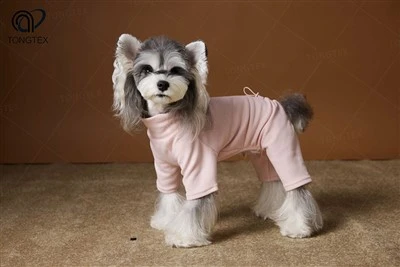
First, it’s important to clarify what thermal fur actually is here. We’re talking about the man-made “faux fur” variants engineered explicitly for thermal performance, not decorative faux fur. These materials use dense, loosely packed synthetic fibers (usually polyester, sometimes with a microfiber core) that create stagnant air pockets—nature’s best insulator, which is why down works so well, but thermal fur is more water-resistant and easier to clean. Sizing for thermal fur isn’t like fabric sizing, which focuses on width and weight; it’s about the physical dimensions of the raw material roll, since that’s how we ship it and how most manufacturers cut their components. The three core size categories are lightweight base rolls, mid-weight workhorse rolls, and heavy-duty specialty rolls, each tailored to different end uses.
Let’s start with the most ubiquitous size: the 60-inch wide roll. This is the gold standard for nearly all apparel and general outdoor gear, and it’s the one we ship 70% of the time. Why 60 inches? That’s the standard width for commercial knit and woven fabrics, so it aligns perfectly with the cutting tables used by most clothing manufacturers, who design patterns to minimize offcuts. For apparel, this works out to exactly two panels for a standard winter jacket bodice, or three sleeves, with very little waste. For gloves, hats, and even sleeping bag liners, 60-inch wide rolls mean you can cut multiple identical pieces side by side without needing to seam fabric together, which preserves insulation performance—seams are a common heat leak, after all. The length of these rolls varies by inventory, but standard lengths are 50 yards for smaller orders, 100 yards for mid-sized bulk orders, and 200 yards for long-term clients. The weight of these 60-inch rolls usually hovers around 180 to 220 grams per square meter (gsm), which is perfect for mild to moderate cold—think 10°F to 40°F (about -12°C to 4°C), the sweet spot for everyday winter wear.
Next up, the 48-inch wide roll. This size is a bit more niche, but it’s far from obsolete, and it’s a workhorse for specific applications. You might wonder why anyone would use a narrower roll, but there’s a practical reason: 48-inch rolls are lighter to ship and easier to maneuver on smaller cutting tables, which is a big deal for small to medium-sized businesses that don’t have the space for 60-inch wide equipment. We see a lot of our smaller apparel brands, custom outdoor gear makers, and even craft suppliers going for this size. It’s also ideal for products that don’t use large panels—like boot liners, neck gaiters, and dog winter coats, where the total piece size is smaller. The weight for 48-inch rolls is usually a bit lower than 60-inch, around 150 to 190 gsm, making it a go-to for warmer climates or products that need extra flexibility. Lengths for these rolls are similar to the 60-inch: 50, 100, and 200 yards, though we sometimes stock 30-yard rolls for small trial orders, which is a bonus for new brands testing a line.
Now, the heavy-duty option: the 72-inch wide roll. This is for when you need maximum insulation, no compromise. If you’re building industrial work wear for construction crews in sub-zero temperatures, heavy-duty sleeping bags for expeditions, or even residential insulation panels for cold storage, 72-inch wide thermal fur is the way to go. Why so wide? It cuts down on the number of seams needed for large components. A standard 0°F (-18°C) sleeping bag, for example, has a body panel that’s about 60 inches wide when laid flat, but adding the hood and footbox panels means you’d need multiple seams if you used a smaller roll. With 72-inch wide, you can cut almost all those large panels in one piece, reducing heat loss and improving durability. The weight of these rolls is higher too, usually 250 to 350 gsm, which is enough to handle extreme cold, wind, and even light moisture. Lengths here are a bit more specialized: 50 yards for occasional use, 150 yards for industrial contracts, and sometimes custom lengths up to 300 yards for long-term partnerships. It’s worth noting that 72-inch rolls are a bit more expensive per yard than the smaller sizes, but the waste reduction and performance benefits usually make up for it for high-stakes products.
Beyond these three core sizes, there are also specialty sizes for specific use cases. For example, we carry 24-inch wide rolls for small components like wrist cuffs, hat brims, or appliance gaskets. These are often sold in 10 to 20 yard rolls, since most of our customers only need small amounts for repairs or custom parts. We also have oversized rolls for special projects, like event booth insulation or temporary cold storage tents, which can go up to 96 inches wide and 400 yards in length—though these are only available for pre-order, since they’re not something we keep in regular stock.
I want to be transparent here, because I’ve seen too many suppliers skip the details that matter most to their customers. When you’re ordering thermal fur, the size isn’t just about width and length; it’s about weight, fiber density, and even the pile height. A 60-inch roll that’s 180 gsm with a 10mm pile is very different from a 60-inch roll that’s 180 gsm with a 20mm pile. The latter is far warmer, but it’s also bulkier, so you’ll need to adjust your pattern to accommodate the extra thickness. That’s why we always encourage customers to order a small sample swatch first—we’re happy to send free swatches of every size and weight we carry, so you can test fit and performance before placing a bulk order.
Another thing to consider: shrinkage. Thermal fur, like most synthetic fabrics, can shrink a tiny bit when washed, especially if it’s made with polyester. The standard shrinkage for our rolls is 2-3%, which is negligible for most products, but if you’re making something that requires an exact fit (like a custom boot liner), you might want to add an extra inch or two to your pattern to account for that. We always print shrinkage guides on the roll labels, so you never have to guess.
I’ve worked in the thermal fur industry for 12 years now, and one of the biggest mistakes new customers make is ordering the wrong size for their intended use. A small brand trying to make high-end winter jackets might jump to the 72-inch roll because they think it’s more “premium,” but that ends up costing them thousands in extra material and higher shipping costs. On the flip side, a company making industrial work coats might try to use the 48-inch roll, only to end up with too many seams that fail in cold weather. That’s why we take the time to walk every customer through their options, answer questions, and even help them calculate the exact amount of material they need to minimize waste.

At the end of the day, thermal fur sizing isn’t one-size-fits-all. The right size depends on your product type, production capacity, cold-weather rating, and budget. Whether you’re a small brand just starting out with custom hat orders, a mid-sized apparel company scaling up winter jackets, or an industrial firm needing insulation for work wear, we have a size that fits your needs. If you’re ready to discuss your project, need sample swatches, or want a custom quote, don’t hesitate to reach out. We’re here to help you get the right thermal fur, in the right size, for exactly what you’re building.
Business Suits References
- ASTM International. Standard Specification for Faux Fur Fabrics for Thermal Insulation, ASTM D7745-19, 2019.
- Outdoor Industry Association. Cold-Weather Apparel Material Performance Guidelines, 2022.
- Synthetic Fibers Association. Thermal Performance of Dense Synthetic Fiber Insulation Materials, 2021.
- International Organization for Standardization. Textiles—Measurement of Fabric Dimensions and Shrinkage, ISO 3759:2011.
INVERSIONES TONGTEX S.A.C.
INVERSIONES TONGTEX S.A.C. is one of the most experienced thermal fur manufacturers and suppliers in China, featured by quality products and good price. Please rest assured to wholesale durable thermal fur made in China here and get quotation from our factory. Customized orders are welcome.
Address: Building 1, Qixian Industrial Zone, Keqiao District, Shaoxing City, Zhejiang Province, China
E-mail: Sales@tongtexpet.com
WebSite: https://www.tongtexpet.com/
