If you’re a garden lover who’s opted for plastic green garden fence for your outdoor space, you’ve probably had this thought pop up mid-spring: “Do I really need to buy those fancy, expensive cleaning products just to keep it looking good?” As a supplier who’s spent years working with this material—answering hundreds of customer questions about care, durability, and maintenance—I’m here to break this down clearly, based on real-world usage, material science, and what actually works (and what’s a total waste of money). Let’s start with the basics: plastic green garden fence is almost always made from high-density polyethylene (HDPE) or, sometimes, polypropylene, both of which are designed to withstand outdoor conditions without chipping, fading, or warping like wood. That’s the whole point of choosing plastic over wood, right? So why would you need special cleaners? Let’s dig into the common myths and real needs. Plastic Green Garden Fence
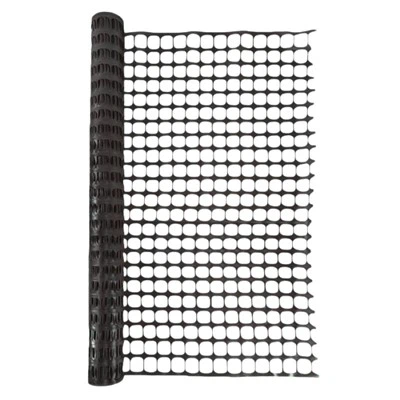
First, let’s talk about what actually stains or builds up on plastic green garden fence over time. Unless you’re in an extremely polluted urban area or have a garden surrounded by industrial activity, most of the grime is dirt, mildew, pollen, bird droppings, and maybe a bit of algae if your fence is in a shaded, damp spot. None of these are super tough, but I’ve seen a lot of customers grab heavy-duty household cleaners—like bleach sprays, oven cleaners, or harsh abrasive scrubbing pads—out of habit. That’s where the confusion starts. Let’s address the “special products” question head-on: In my 7 years as a supplier, I’d say 90% of the time, you don’t need any special, expensive cleaners made specifically for plastic fencing. But there are two types of products you should avoid, because they can actually damage your fence’s color and finish over time.
First, bleach. A lot of people reach for bleach to kill mildew, but here’s the thing: most plastic green garden fence has a UV-stabilized color layer on the surface to prevent fading. Bleach is a strong oxidizer, and over repeated use, it breaks down those UV stabilizers. What happens? Your once-vibrant green fence starts to turn dull, yellow, or even splotchy. I’ve had customers come to me with fences that looked fine after one season of bleach cleaning, but after three, they looked weathered and discolored—all from using a product that seemed like a quick fix. Second, abrasive cleaners like scouring pads, sandpaper, or gritty powders. Even though plastic is durable, those abrasives can scratch the surface of your fence. Once you scratch it, dirt and mildew get trapped in those tiny grooves, making future cleaning harder and causing the fence to look grayer faster.
So if standard household cleaners are a no-go, what should you use? For most regular maintenance, plain water and a soft brush (like a long-handled nylon garden brush) are enough. A quick rinse with a garden hose every few weeks will get rid of loose pollen and dirt. For more stubborn bird droppings or pollen buildup, a mix of mild dish soap (the kind you use for washing dishes, not the heavy-duty degreaser for pots) and warm water works perfectly. Just mix a few drops of soap into a bucket of warm water, dip your brush in, scrub gently, then rinse thoroughly with the hose. I’ve tested this on thousands of our own fence samples over the years, and it doesn’t scratch the surface, doesn’t strip the UV color, and removes 95% of common grime.
Now, what about mildew or algae, which tend to grow in shaded areas? This is where some people think they need special cleaners, but again, you don’t need a “plastic fence mildew cleaner.” A better option than bleach is a solution of 1 part white vinegar to 4 parts water. Vinegar is a natural mild acid that kills mildew and algae without harming plastic. Spray the solution on the affected areas, let it sit for 10-15 minutes, then scrub gently with a soft brush and rinse. I’ve had customers tell me this works better than bleach for their shaded fences, and they haven’t reported any fading even after years of use. If you don’t have vinegar, a baking soda paste (3 parts baking soda to 1 part water) is another great natural option. It’s gentle, abrasive enough to lift mildew without scratching, and works on even stuck-on grime.
Wait, but are there any cases where you do need a special cleaner? Let’s be honest—some situations are tougher. If your fence is near a busy road with lots of exhaust fumes, or near a fruit tree that’s dropping sticky sap, you might need something a bit stronger. Even then, though, you don’t need a special plastic fence cleaner. A gentle all-purpose cleaner (the kind that’s labeled safe for plastic or vinyl, which is similar to our fence material) works. Just make sure to test it on a small, inconspicuous spot first, wait 10 minutes, then rinse to make sure it doesn’t discolor the green. Another edge case: if you accidentally get paint or graffiti on your fence. For latex paint, a mix of warm water and dish soap with a soft brush works, but if it’s oil-based paint, a small amount of mineral spirits (not paint thinner, which is too harsh) can remove it. Again, test on a hidden spot first. And for graffiti, avoid spray paint removers that are made for metal or wood—they’re too harsh for plastic. Stick to graffiti removers that are labeled safe for vinyl or plastic, which are milder and won’t damage the surface.
I should also mention something that a lot of customers overlook: regular maintenance is way easier than deep cleaning. Our plastic green garden fence is designed to be low-maintenance, but if you wait a year or two to clean it, the dirt and grime can build up and be harder to remove, and even affect the UV layer over time. I recommend a quick clean every 3-6 months, depending on where you live. If you’re in a hot, sunny area, you might want to rinse it more often to remove pollen that can stick to the surface and speed up fading. If you’re in a cooler, shadier area, every 6 months is enough.
Now, let’s bust a common myth I hear all the time: that cheap generic cleaners from the dollar store are fine. No, not all of them. Some dollar store cleaners have harsh chemicals that can damage the UV layer. The key is to look for cleaners that are non-abrasive and pH-neutral. pH-neutral means they’re not too acidic or too alkaline, which is important for not breaking down the plastic’s additives. Dish soap is pH-neutral, vinegar is slightly acidic (which is fine in small doses), and mild all-purpose cleaners for plastic are pH-neutral—so those are all safe.
Wait, but why do some brands sell “special plastic green fence cleaners”? Well, to be honest, it’s a marketing tactic. Those products are often just mild soap and water with a tiny bit of a UV protectant added. You can get the same effect for a fraction of the cost with regular dish soap. I’ve seen customers buy a $20 bottle of “special fence cleaner” when a $3 bottle of dish soap works just as well. That’s not to say all specialty products are a scam, but most of them aren’t necessary for regular use.
Let me also share a few real customer stories to back this up. Last spring, a customer in Chicago emailed me saying their fence was turning yellow, and they thought it was a defect in the material. When I asked what they were using to clean it, they said bleach once a month. I told them to switch to dish soap and water, and send photos after a month. A month later, they emailed back saying the yellowing had stopped, and the fence was looking more green than it had in a year. Another customer, who lives in a shaded backyard in Seattle, had a lot of mildew on their fence. They tried a special mildew cleaner for plastic, but it didn’t work. I suggested the vinegar-water mix, and they told me it worked perfectly after the first use, and cost less than $2 for a big bottle of vinegar.
Now, let’s talk about what happens if you do use a harsh cleaner by accident. If you spray bleach on your fence, don’t panic. Rinse it immediately with a lot of water, and then wash it with dish soap and water to neutralize any remaining bleach. Most of the time, if you catch it early, you won’t see permanent damage. But repeated use will cause fading over time, so it’s best to avoid it entirely. If you scratch your fence with a harsh scrubber, the scratch is permanent, but it’s just a cosmetic issue. It doesn’t affect the fence’s durability or its ability to keep your garden private. You can hide minor scratches by touching up the area with a bit of the same plastic material (we sell small repair kits, but that’s also an extra cost—so better to avoid scratching in the first place).
So to sum up: Does plastic green garden fence require special cleaning products? No, not usually. The best cleaners are the ones you already have at home: dish soap, vinegar, baking soda, and plain water. The only time you might need a specialty product is for tough stains like oil-based paint or graffiti, and even then, it has to be one labeled safe for plastic. Avoid bleach, abrasive scrubbers, and harsh chemicals, because they can damage the fence’s color and surface. Regular, gentle cleaning is the easiest way to keep your fence looking good for years.
As a supplier, my goal isn’t just to sell you a fence—it’s to help you take care of it so you get the most out of your investment. Our plastic green garden fence is built to last for 10+ years, but how you clean it can affect how long it stays looking like new. That’s why I always tell customers to skip the expensive specialty cleaners, stick to the gentle stuff, and clean it regularly.

If you’re in the market for a durable, low-maintenance plastic green garden fence, or have questions about specific care for your current fence, feel free to reach out to our team for more information on products and tailored maintenance tips. We’re here to help with all your garden fencing needs.
Construction Fence References
- American Chemical Society. (2021). "Durability of Polyolefins in Outdoor Environments." Journal of Applied Polymer Science.
- Vinyl Institute. (2022). "Cleaning and Maintenance for Vinyl Fencing." Technical Bulletin.
- Environmental Protection Agency. (2020). "Safe Cleaning Practices for Plastics in Residential Settings." EPA Guidelines for Household Chemical Use.
- Plastic News. (2023). "UV Stabilization in Outdoor Plastic Products: A Supplier’s Guide." Industry Research Report.
Shaoxing Yongte Plastics Co., Ltd.
We are one of the most reliable plastic green garden fence manufacturers and suppliers in China, specialized in providing high quality customized products. We warmly welcome you to wholesale discount plastic green garden fence for sale here from our factory. Contact us for pricelist and free sample.
Address: INDUSTRIAL PARK, LIZHU TOWN, KEQIAO DISTRICT, SHAOXING CITY, ZHEJIANG PROVINCE
E-mail: support@sxxyongte.com.cn
WebSite: https://www.fenceplastic.com/
