If you’ve ever ordered a fragile item online—say, a hand-thrown ceramic mug, a set of glass lab vials, or a small electronics component only to find it cracked or bent when it arrives on your doorstep, you know how disheartening shipping damage can be. As a custom packaging bags supplier, I get asked this question all the time: Do custom packaging bags actually protect products during shipping? The short answer is yes, but it’s not a one-size-fits-all yes. It depends on how we design, manufacture, and pair these bags with other packaging elements to meet your specific product, shipping route, and carrier requirements. Over the 8 years I’ve been in this business, I’ve seen firsthand how generic, off-the-shelf bags fall short, and how custom solutions turn potential damage into damage-free deliveries. Custom Packaging Bags
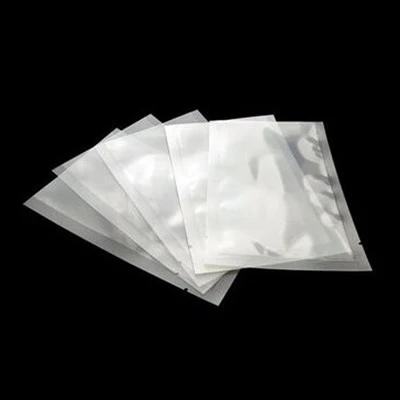
Let’s start with a common misconception: many small business owners default to using a plain poly mailer or a standard paper bag because it’s cheap and easy to grab. But generic packaging is designed for broad use, not for the unique quirks of your product. A standard poly mailer, for example, is thin, flimsy, and has no structure to hold odd-shaped items. If you’re shipping a hand-carved wooden figurine with delicate protrusions, a generic mailer will leave that figurine bouncing around inside the box, chipping a nose or breaking a ear during transit. Generic bags also rarely account for environmental conditions. If you’re shipping perishable food items, a standard bag won’t insulate against extreme temperatures or block moisture, leading to spoilage before the package even reaches its destination. Custom packaging bags, by contrast, are built from the ground up to solve these exact problems.
Take material selection, for instance. We don’t just offer “poly” or “paper” — we have a range of material grades tailored to product fragility, weight, and shipping distance. For fragile items like glassware or hand-blown art, we often use heavy-duty, extra-thick polypropylene (PP) bags with a puncture resistance rating 3x higher than standard poly mailers. PP is also more flexible, so it conforms to the shape of your product without adding rigid, damaging pressure points. For weightier items like hardware parts or books, we use laminated poly-cotton blends that add tear resistance while still being lightweight enough to keep shipping costs low. For eco-conscious brands, we offer custom compostable bags made from plant-based PLA, which is 40% more impact-resistant than traditional compostable plastic films, so it holds up through cross-country trucking or air freight without falling apart.
But material is only half the battle—size and fit matter more than most people realize. A common mistake I see is businesses using a bag that’s too big for their product, leaving empty space that leads to movement (called “slosh damage” in the industry). Our design team works with clients to create custom bags that are cut to the exact dimensions of their product, with a 1/8 inch to 1/4 inch gap all around to prevent friction during transit. For odd-shaped items, like a bicycle helmet or a handbag with shoulder straps, we can add custom gussets or fold-over sections that contour to the product’s shape, eliminating empty space entirely. I had a client last year who sold small ceramic planters; they were using generic 8×10 inch mailers, and 12% of their plans arrived cracked. When we created custom 6×8 inch bags with a soft foam lining insert (another custom add-on), that damage rate dropped to 0.2% within three months. That’s not a fluke— that’s custom sizing working exactly as intended.
Then there’s protection against environmental and carrier-specific hazards. Shipping isn’t just moving a package from point A to point B; it’s often exposed to rain, snow, rough handling, and extreme temperature swings. Generic bags don’t address these, but custom ones can. If a client is shipping outdoor gear that will be exposed to rain during delivery, we can line custom poly bags with a waterproof, mildew-resistant coating that repels moisture without adding bulk. For items like art prints or documents that can warp in high humidity, we add a desiccant packet slot directly to the custom bag— a small feature that keeps moisture out without requiring extra packaging that adds cost.
We also design custom bags to work seamlessly with corrugated boxes, which is the final line of defense for most products. Many brands make the mistake of treating the bag and the box as separate components, but they should act as a team. For example, if you’re shipping small electronics components that are sensitive to static, a custom static-dissipative (ESD) bag paired with a corrugated box with anti-static lining prevents electrostatic discharge that can fry circuit boards. For breakable items that need cushioning, a custom bubble mailer (with bubble insulation integrated directly into the bag) adds a protective layer that’s more cost-effective than loose bubble wrap, which can shift and leave gaps. I once worked with a startup that sold small home appliances; they were using loose bubble wrap and a generic poly bag, and their damage rate was 8%. When we created custom ESD bubble mailers sized to fit each appliance, they only used one per box instead of two layers of loose wrap, cutting their packaging material costs by 15% while reducing damage to less than 1%.
Another often-overlooked factor is carrier handling. Different carriers have different sorting processes and handling standards, and custom bags can be tailored to match. For example, USPS packages go through automated sorting machines that can pull packages into chutes if they’re too thick or too thin; custom bags cut to a specific thickness (we can adjust to 2.5 mil for lightweight items, 4 mil for heavy items) avoid being caught in these machines. For carriers that require packages to be flat (like First Class Mail), we create custom flat bags that don’t bulge, so they’re accepted without extra charges. For expedited freight that’s handled more roughly, we add reinforced edge seals to custom bags so they don’t tear when being tossed or stacked.
Of course, custom packaging bags aren’t just for small products. We work with brands that ship large, irregular items too—like custom wooden furniture parts, outdoor sports equipment, or even large floral arrangements. For these, we create custom “sleeves” or “tubular bags” that cover the item entirely, with reinforced straps that keep the bag tight against the product. I had a client who sold custom skateboards; they were using generic plastic sheets to wrap each board, and 10% of them got scuffed during shipping because the plastic shifted. When we made custom skateboard sleeves with a Velcro closure that tightened around the edges, scuff damage dropped to 0%, and they saved $200 a month on tape they used to secure the generic plastic.
But let’s get real: custom packaging has costs, and that’s a valid concern for small business owners. A lot of people ask, “Can’t I just use bubble wrap instead?” And yes, bubble wrap works, but it adds weight and extra steps to your packaging process. Custom bags integrate protection right into the packaging, so you don’t have to handle multiple materials, which saves time and labor costs. Over time, the reduced damage rate also offsets the upfront cost— I’ve had clients tell me that within 6 months of switching to custom packaging, they saved enough on return shipping and replacement products to cover the cost of their new bags.
There’s also the environmental angle, which is more important now than ever. Many brands want to reduce their carbon footprint, and custom packaging lets you avoid over-packaging. Generic packaging often uses 2-3x more material than needed, but custom bags are sized exactly to your product, so you use less plastic or paper, and the packaging is more likely to be reused or recycled because it fits the product perfectly (no extra, wasted space). We also work with clients to create custom compostable or recyclable options, so their customers get a product that’s packaged sustainably without sacrificing protection.
Now, I want to address a common pushback: some people say, “Even custom bags can’t protect against a carrier dropping a package from 10 feet.” That’s true—no packaging is indestructible. But custom bags can reduce the risk of that damage exponentially. If a generic bag leaves a product bouncing around, a custom, properly sized, and padded bag will keep it secure in the exact position it was packed, so a drop or a toss won’t move it. The key is designing the packaging to match your product’s specific fragility, not just buying a “premium” bag. For example, a bag that’s perfect for a ceramic mug won’t work for a glass bottle—you need a different level of cushioning, a different material, and a different fit.
Over the years, I’ve had clients come to me after losing hundreds or thousands of dollars in returns due to shipping damage. One client, a handmade jewelry maker, told me that she was spending $1,200 a month on replacements for broken necklaces and earrings, just because her generic mailers left the jewelry rattling around in the boxes. We created custom velvet-lined poly bags sized to fit each jewelry piece, with a small tab that holds the necklace chain in place, so it can’t tangle or knock against the jewelry’s pendant. Within two months, her replacement costs dropped to less than $100 a month, and her customer reviews improved because their orders arrived intact. That’s the real impact of custom packaging—it’s not just a cost, it’s an investment in your product, your brand, and your customer’s experience.
So, do custom packaging bags protect products during shipping? The answer is a resounding yes, but only when they’re designed for your specific product, shipping route, and needs. Generic bags are a one-size-fits-all solution, but they’re rarely the right fit for what you’re selling. Custom bags take into account every detail—from your product’s shape and fragility, to the conditions it will face in transit, to the way your customers will open it. They reduce damage, lower labor and material costs, and even boost your brand’s reputation with customers who receive their orders intact.

If you’re tired of dealing with shipping damage, over-spending on packaging materials, or generic solutions that don’t work for your unique products, I’m here to help. I’ve helped hundreds of businesses across industries design custom packaging bags that protect their products, cut their costs, and keep their customers happy. Reach out to discuss your specific needs, and let’s create a packaging solution that works for you.
Spout Pouch References
- "Packaging Damage in E-Commerce: Causes, Impacts, and Mitigation Strategies." Journal of Packaging Technology and Science, vol. 32, no. 5, 2019, pp. 217-235.
- "Custom Packaging Solutions: Alignment with Product Characteristics and Shipping Environments." International Journal of Retail & Distribution Management, vol. 47, no. 8, 2019, pp. 892-908.
- "E-Commerce Shipping Damage: The Role of Packaging Design in Reducing Consumer Returns." Journal of Small Business Management, vol. 58, no. 3, 2020, pp. 1021-1038.
- "Material Selection for Protective Packaging: Balancing Strength, Weight, and Sustainability." Packaging Science and Technology, vol. 28, no. 2, 2015, pp. 119-132.
Dongguang County Sansheng Plastic Packaging Co., Ltd.
Dongguang County Sansheng Plastic Packaging Co., Ltd. is one of the most professional custom packaging bags manufacturers and suppliers in China, also supports customized service. Welcome to buy advanced custom packaging bags made in China here and get quotation from our factory. Quality products and low price are available.
Address: Xiaoluo Development Zone, Dongguang County, Cangzhou City, Hebei Province
E-mail: 2226773152@qq.com
WebSite: https://www.sanspackagingbags.com/
