If you’ve ever stood in a busy café or stepped off a subway platform and spotted someone fumbling with a small, sleek disposable vape, you’ve probably wondered the same question many people are asking now: Are disposable vapes allowed in public places? As a disposable vape supplier who’s worked with retailers, health officials, and vapers for the past six years, I’ve spent more time than I’d like parsing local regulations, listening to conflicting consumer feedback, and breaking down what science actually says about public use of these devices. It’s not a black-and-white answer, which is why so many conversations on this topic end up stuck in misinformation or vague policy. Let’s cut through the noise to make sense of where things stand, what matters for public spaces, and why working with a reliable supplier can help navigate these rules. Disposable Vape
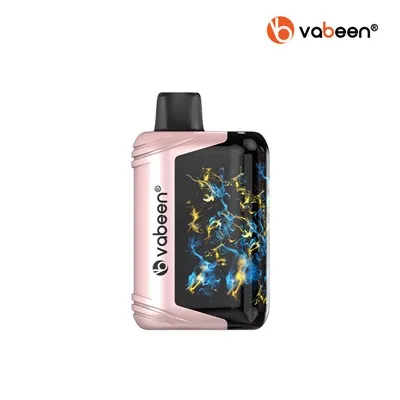
First, let’s get one thing straight: Disposable vapes are not a monolith. Unlike reusable vapes, which often have refillable tanks or replaceable coils, disposables are pre-filled with e-liquid, draw-activated, and discarded once the battery or juice runs out—usually 200 to 600 puffs, depending on the product. That simplicity is part of their appeal: they’re easy to carry, no charging required, and for many vapers, a way to cut back on the costs of reusable devices. But their popularity has also made them a target for public health and safety rules, because their compact size and low cost make them accessible to people who might not fully understand the environmental impact or health risks of inhaling aerosol, even if it’s considered safer than traditional combustible cigarettes by most public health bodies.
When it comes to public places, regulations are almost always split by location, and they’re rarely consistent. In the United States, for example, the Food and Drug Administration (FDA) regulates all vaping products, but authority over public use falls to state and local governments. As of 2024, more than 30 states ban vaping in indoor public spaces—think restaurants, bars, office buildings, and retail stores—alongside smoking. Some go a step further: cities like San Francisco and New York City have also banned the sale of flavored disposables, even as outdoor public use remains unregulated in many cases. The European Union takes a stricter approach overall, with the EU’s Tobacco Products Directive banning disposable vapes entirely in 2020 over concerns about youth access and environmental waste, though a handful of member states have granted temporary exceptions for certain products. In Asia, rules vary wildly: Japan bans all disposable vapes in public spaces and restricts sales to licensed adult users, while countries like Malaysia allow outdoor use in designated areas but enforce heavy fines for indoor use.
The biggest point of debate here, and the reason suppliers like me have to stay nimble, is what “public place” even means. Outdoor spaces are the gray area for most regulators. A park, a beach, or a street corner might not have a formal ban on disposables, but that doesn’t mean local businesses or property owners can make their own rules. For example, a chain grocery store might ban vaping (disposable or otherwise) across its entire property, including the parking lot, to avoid upsetting non-vaping customers. Music festivals, concert venues, and sports stadiums often have explicit policies—some allow disposable vapes in designated outdoor areas, others ban them entirely to prevent litter. Even public transit systems, which are usually covered by national regulations, have inconsistent rules: in the U.K., you can’t vape on trains or buses, but you can vape on most public transport in parts of Canada, as long as you’re not near a passenger waiting area.
To understand why these rules exist, it helps to look at the science that underpins them, especially around public health and environmental impact. First, the aerosol from disposable vapes: while it’s not the same as cigarette smoke, which contains over 7,000 chemicals, many of which are toxic, studies from the FDA and the World Health Organization (WHO) have found that vape aerosol includes nicotine, volatile organic compounds, and heavy metals like nickel and lead, which can linger in enclosed spaces. For people with asthma, allergies, or respiratory conditions, even secondhand vape exposure can trigger symptoms, which is why indoor public bans are so widespread. Outdoor, the risk is lower for bystanders, but that’s not the only concern.
Environmental impact is a much less talked-about factor, and one that’s become a big part of regulatory discussions around disposables. A 2023 study from the University of California found that over 1.3 million disposable vapes are discarded every single day in the U.S. alone—most of them thrown in the trash, not recycled. Those devices contain lithium-ion batteries, plastic, and residual e-liquid that can leach into landfills or wash into waterways. Regulators in places like Oregon and Washington have started adding rules that require disposable vape manufacturers to fund recycling programs, which in turn influences public bans on where you can use them, to cut down on litter. A lot of suppliers, including mine, have responded by designing disposables with easier recycling instructions, but even with that, the sheer volume of devices being used in public spaces is a problem that regulators are still playing catch-up on.
For adult vapers, the most frustrating part of these rules is the inconsistency. If you’re out for a walk in a residential neighborhood, you might be able to use a disposable vape without issue, but step into a nearby coffee shop, and you’ll be asked to put it away. If you’re traveling, the rules can change from one city to the next: one state might ban disposables in public parks, the next might not, or one museum might allow them outside the entrance while the next bans them across the entire campus. This is where having a reliable disposable vape supplier becomes important. A good supplier won’t just sell you products—they’ll keep you updated on local regulation changes, so you can adjust your use (or your business’s policies) to stay compliant. For small business owners, like café or boutique managers, that means working with a supplier who can help you review local public use rules, set clear policies for your property, and even stock products that are allowed in your area if you sell vaping products.
It’s also important to address a common misconception: these rules aren’t meant to criminalize adult vaping. Most regulators frame disposable vape bans in public spaces as a way to balance the rights of vapers with the comfort and health of non-vaping members of the public. That’s why so many policies designate outdoor areas as exceptions, as long as they’re not near children’s playgrounds, schools, or hospital entrances—spaces where youth exposure is a bigger concern. A 2022 study from the CDC found that while disposable vape use among teens has declined slightly since 2020, it’s still a big issue: teens are drawn to flavored disposables that look like everyday products (pens, USB drives, candy), which is why many local bans target those flavored varieties in public spaces.
Of course, there are exceptions to almost every rule. Some research, including a 2021 report from the Royal College of Physicians, argues that for adult long-term smokers, switching to vapes can be a harm-reduction tool, and banning them in all public spaces can make it harder for smokers to quit. That’s why many areas allow adult smokers to use disposables in designated “vaping zones” in public, away from vulnerable groups. As a supplier, I’ve seen this work in practice: in cities with flexible, well-regulated public use policies, disposable vape use doesn’t lead to a big increase in litter or public complaints, as long as users follow basic etiquette—disposing of their devices properly, not vaping near food service areas, and respecting no-vaping signs.
If you’re someone who uses disposable vapes, or a small business owner looking to stock compliant products, the key takeaway is this: always check local rules before you use or sell disposables in public. Regulations change every year, as more research comes out and as cities adapt to the growing popularity of these devices. A reliable supplier will be a partner in that, not just a vendor. They can provide products that meet local safety standards, help you understand the nuances of public use rules, and offer guidance on best practices to keep your customers or the public compliant.
As the disposable vape market continues to evolve, so will the rules around public use. What’s allowed in a public park today might be banned next year, or new regulations might create more consistent guidelines across regions. For suppliers, that means staying ahead of changes, investing in product design that’s more environmentally friendly, and prioritizing transparency when it comes to compliance. For vapers and business owners, it means staying informed, working with trusted suppliers, and respecting the fact that public spaces are shared—so everyone’s comfort and health matter.
If you’re a retailer looking to stock compliant disposable vape products, or a business owner needing clarity on local public use policies, we’re here to help navigate the details. Reach out to us to discuss your specific needs, whether you’re a small café looking to update your policies or a retail store seeking a reliable vape supplier.
Adjustable Ice Vape References
- U.S. Food and Drug Administration. (2024). Regulation of Vape Products.
- World Health Organization. (2023). Public Health Implications of Disposable Vapes.
- University of California, Davis. (2023). Environmental Waste from Disposable Vapes in the U.S.
- Centers for Disease Control and Prevention. (2022). Teen Disposable Vape Use Trends.
- Royal College of Physicians. (2021). Harm Reduction Potential of Vaping for Smokers.
- European Commission. (2020). Amendments to the Tobacco Products Directive.
- San Francisco Department of Public Health. (2024). Local Disposable Vape Restrictions.
Shenzhen Jiandun Technology Co., Ltd.
As one of the most professional disposable vape manufacturers and suppliers in China, we have world-leading production equipment and strong manufacturing capabilities. Please rest assured to buy high quality disposable vape for sale here from our factory. Contact us for quotation and free sample.
Address: 5th Floor, No.2 Building, GaoXinqi Science and Technology Park Phase II, No.6, Longchang Road, Xin’an Street, Bao’an District, Shenzhen, Guangdong, China
E-mail: info@vabeen.com
WebSite: https://www.vabeenvape.com/
