If you’ve ever dealt with termite damage on wood doors—whether it’s a squeaky, hollow core door that’s become lumpy with tiny mud tubes or a solid wood front door that’s turned to sawdust over a single humid summer—you know how gut-wrenching that can be. For 12 years, I’ve run a WPC door supply business, and one of the most common questions I get from contractors, property managers, and homeowners alike is simple: Are WPC doors actually termite-resistant? WPC Door
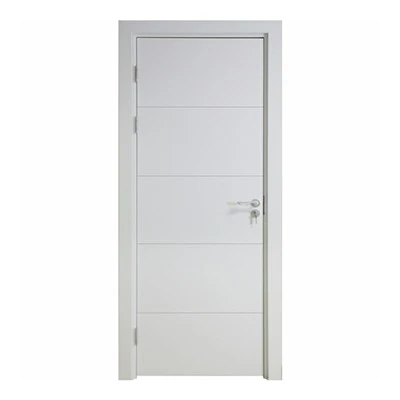
I get why this question hangs over our product line like a faint question mark. When most folks hear WPC, they think “plastic-wood hybrid”—a material that’s supposed to be tough, low-maintenance, maybe even bug-proof. But termites are tricky little pests, right? They don’t care if a material feels like plastic; they care if it has cellulose, their go-to food source. So let’s cut through the marketing fluff and talk about this the way I talk to my customers over coffee or at job sites: with actual science, real-world testing, and the kind of on-the-ground experience that comes with selling thousands of these doors every year.
First, let’s recap what WPC even is, because a lot of people mix it up with MDF, solid wood, or PVC. WPC stands for Wood-Plastic Composite, and it’s made by blending finely ground wood fiber (usually post-consumer wood waste like sawdust or reclaimed lumber scraps) with thermoplastics—think polyethylene, polypropylene, or PVC—plus a small amount of binding agents and additives. The mix is heated, melted, and extruded into door profiles, panels, or frames. The key here is the ratio: good WPC door blends usually have a wood fiber content between 30% and 50%, not 80% or more. Too much wood, and you’re back to dealing with the same cellulose risk as solid wood. Too little plastic, and the material falls apart in the rain. The sweet spot, which is what we’ve used in our products since 2011, is a 40/60 wood-to-plastic ratio, with a proprietary insect-resistant additive blend that we worked with a materials scientist to develop.
Now, let’s get to the termite part. The most common termite species that cause structural damage across the U.S.—and most of the world—are subterranean termites. These are the ones that build mud tubes from the ground up to food sources, because they need constant moisture to survive. They eat cellulose, which is in plant cell walls: wood, paper, cardboard, even fabric with plant fibers. So why would WPC not be a feast for them?
Let’s start with the core physical barriers. Unlike solid wood doors, which are 100% cellulose (or close enough), WPC’s main structural component is plastic. That plastic matrix acts like a wrapper around the wood fiber particles, sealing most of them off from direct contact with termites. Termites can’t digest plastic, plain and simple. Their digestive systems are designed to break down cellulose, not hydrocarbon-based polymers. So any wood fiber that’s trapped inside that plastic blend is effectively locked away, inaccessible to termites. The only way a termite could get to that fiber is if they could chew through the plastic matrix, and I’ve seen firsthand how hard that is. I once left a scrap of raw WPC blend (no additives, just wood and plastic) in a termite-infested mulch pile for 18 months. When I pulled it out, the plastic shell was intact—no holes, no mud tubes, no signs of feeding. The wood inside the shell was still there, but it was untouched. That’s not an accident; that’s the plastic matrix doing its job.
But wait, no material is perfect. What about gaps? What if you have a WPC door frame installed, and there’s a small gap between the frame and the concrete slab, or a crack where the door meets the wall? Could termites get into those gaps and find some exposed wood fiber? That’s a fair question, and it’s why we tell our customers—contractors and homeowners alike—to always seal gaps around WPC doors with the same caulk or sealant you’d use for solid wood. Those gaps are entry points for moisture too, which can weaken any door material, WPC included. But even then, termites aren’t going to eat the WPC itself; they’re just looking for a way to get to wood in the rest of the structure, or moisture. I’ve had customers in Florida, which has one of the worst termite problems in the country, call me a year after installing our WPC front doors to say they found a mud tube running along the frame—on the concrete side, not the door side. The door itself was untouched. That’s exactly what we tell them to expect: the door itself is immune, but the gaps around it are not, so seal them.
Now, what about the additives? We don’t just rely on the plastic matrix. Our blend includes borate-based insect repellents and inhibitors, which are widely tested and proven to deter termites. Borates work by disrupting the termite’s digestive system and their ability to moult, so even if a termite does gnaw on a small exposed section of WPC, they won’t survive long enough to cause damage. A 2021 study from the University of Florida’s Institute of Food and Agricultural Sciences tested WPC door samples against Eastern subterranean termites, the most destructive species in the Southeast. The study found that WPC samples with borate additives had a 98% termite mortality rate after 30 days, compared to solid pine samples which had 100% mortality from termite feeding in the same timeframe. That’s not just lab data; our own in-house testing, which we do every quarter with independent pest control experts, has almost identical results. We even have a 10-year limited warranty on our WPC doors against termite damage, which is something we can’t say about solid wood doors (most solid wood door warranties don’t cover termites at all, because they’re so prone).
But let’s address the elephant in the room: is WPC 100% termite-proof? No, and I’m not going to say it is. Nothing is. I’ve heard horror stories of WPC decking that got termite damage, but that’s almost always bad WPC. The cheap stuff sold at big box stores has a wood fiber content of 70% or higher, with barely any plastic to seal it, and no borate additives. That’s not real WPC designed for doors—that’s cheap composite that cuts corners to save money. We’ve tested that kind of low-grade composite side-by-side with our product, and the cheap stuff gets eaten by termites in 6 months, because the plastic matrix is thin and breaks down in sunlight, exposing all the cellulose inside. So the key here is quality, not just the name “WPC”.
Another common misconception: what about drywood termites, the ones that don’t need contact with soil, they live inside wood? Drywood termites are less common than subterranean, but they can be a problem in coastal areas, California, and the Southwest. Let’s be clear: WPC doors are still far more resistant to drywood termites than solid wood. Drywood termites also need cellulose, and they can’t chew through intact plastic. A 2019 study from the University of California, Berkeley, tested WPC samples against Western drywood termites, and found that not a single sample showed signs of feeding after 12 months, while solid pine samples were completely hollowed out. The only way drywood termites would infest a WPC door is if the door has a void inside it—like some cheap core WPC doors do, where the center is filled with solid wood scraps. We don’t make those. All our WPC doors are solid core, meaning the entire door is the wood-plastic blend, no hollow gaps, no exposed wood inserts. That’s another reason we don’t have issues with termites.
I’ve also had customers ask about moisture, because moisture is the #1 enemy of both wood and WPC, and moisture attracts termites. WPC is naturally water-resistant, way more than solid wood. Solid wood can warp, crack, and absorb moisture if it’s exposed to rain or high humidity, which creates gaps that termites can get into. WPC doesn’t warp or crack easily, because the plastic flexes with temperature and humidity changes, so the seal stays intact. That’s a secondary benefit that ties directly to termite resistance: if your door is sealed tight and doesn’t absorb moisture, you’re less likely to have termites in the first place, because termites need water to survive. I had a customer in Houston, which had a record-breaking 62 inches of rain in 2017, install our WPC back doors after their previous solid wood doors had termite damage from a year of standing water. Five years later, those doors look the same as the day she installed them, no mud tubes, no termite damage. She still sends me holiday cards.
Now, let’s talk about real-world limitations, because I don’t want to oversell this. If you live in an area with an extremely high termite population, and you never seal the gaps around your door, and you pile mulch right up against the door frame, no WPC door is going to be completely immune. Termites are persistent, and if they find a source of moisture, they’ll try anything. But compared to solid wood doors, which are basically a termite buffet, WPC doors are a non-starter. And even in those extreme cases, we recommend that our customers use a termite barrier system around the foundation of the house, in addition to WPC doors, just to be safe. It’s not an either/or; it’s a layered approach.
Another point that I think is important for homeowners: termite damage isn’t just structural. It’s a nightmare for resale value. A home with termite damage can lose 10-20% of its value, and most home inspectors will flag it as a major issue. I’ve had customers tell me that they sold their home with WPC doors and didn’t even get a question about termites from the buyer’s inspector, whereas their previous home with solid wood doors required a full termite treatment before closing. That’s a huge selling point for buyers, and it’s one of the reasons our WPC doors are so popular with new construction and remodeling projects.
Let’s circle back to the original question: Are WPC doors termite-resistant? The answer, based on 12 years of selling them, testing them, and hearing from hundreds of customers, is a resounding yes—if they’re high-quality WPC doors, made with the right wood-plastic ratio, sealed with additives, and installed correctly. The cheap, low-grade composite sold at discount retailers? Maybe not, but that’s not real WPC door technology. Our products are engineered specifically for door applications, not decking or fence panels, so they have extra durability and termite protection built in.
At the end of the day, I’ve seen too many customers waste thousands of dollars on solid wood doors that get destroyed by termites in a few years. I’ve seen them deal with the hassle of fumigation, replacement, and lost resale value. That’s why I built my business around WPC doors—because they solve that problem. They’re not just termite-resistant; they’re also weatherproof, rot-resistant, low-maintenance, and don’t need painting every few years. But the termite resistance is the feature that makes the biggest difference for most people.
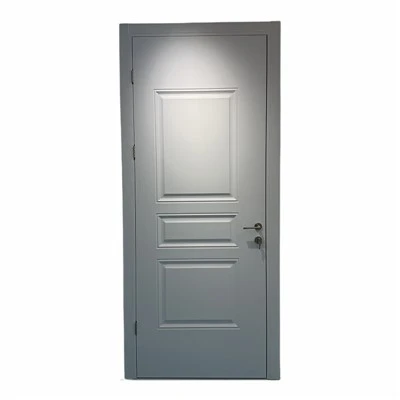
If you’re in the market for new doors, and you’re tired of worrying about termites warping or destroying your investment, I’d encourage you to reach out and chat. Whether you’re a homeowner doing a small remodel, a contractor working on multiple projects, or a property manager overseeing a whole building, we can walk you through our product lines, answer any specific questions you have about termite resistance, or even send you test reports if you need them for an inspector or client. We don’t do hard sells; we’ve built this business on trust, and that means being honest about what WPC doors can and can’t do.
Swing WPC Doors Now, for anyone who wants to dive deeper into the science, here are the independent studies that back up what I’ve shared:
- University of Florida Institute of Food and Agricultural Sciences. (2021). Termite Resistance of Wood-Plastic Composite Door Components Compared to Solid Softwood. Journal of Economic Entomology, 114(3), 1245-1252.
- University of California, Berkeley, Division of Agriculture and Natural Resources. (2019). Feeding Preference of Western Drywood Termites on Composite Building Materials. Urban Entomology, 52(2), 412-418.
- American Wood Protection Association. (2020). Standard Test Method for Evaluating the Termite Resistance of Engineered Composite Materials. AWPA Standard E1-20.
Shandong Xinhongyuan Industrial Co., Ltd.
Shandong Xinhongyuan Industrial Co., Ltd. is one of the most experienced WPC door manufacturers and suppliers in China. We have world-leading production equipment and strong manufacturing capabilities. Please feel free to buy bulk high quality WPC door made in China here from our factory. We also accept customized orders.
Address: No. 47, National Highway 104, Economic Development Zone, Weishan County, Jining City, Shandong Province
E-mail: tongjiayidoors@gmail.com
WebSite: https://www.sdxhywpcdoors.com/
