Hey guys, let’s cut to the chase—if you’ve ever shopped for glasses, you’ve probably seen that little "titanium" label and thought, "Wait, why is this thing so much pricier than the plastic frames I grabbed last week?" As someone who’s been in the titanium glasses supply game for almost 10 years, I hear this question nonstop. It’s not just about us as a supplier; it’s a debate everyone has, from first-time glasses buyers to people who’ve gone through a dozen pairs over the years. Today, I’m breaking down exactly why titanium frames cost what they do, how they stack up to regular frames, and whether that price tag actually means you’re getting your money’s worth. Titanium Glasses
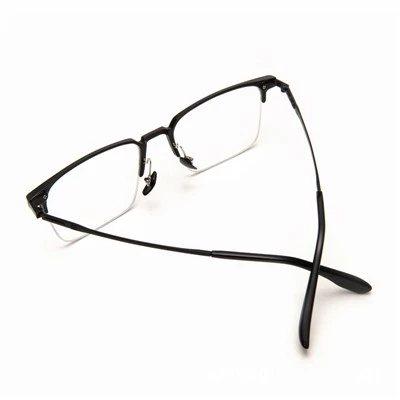
First off, let’s clarify what "regular glasses" even means here. Most everyday frames you see at your local optometrist’s or big-box store are made from a handful of common materials: cellulose acetate (that’s the glossy plastic everyone thinks of), TR-90 (a flexible nylon-based plastic), or basic metal like stainless steel or nickel alloy. Titanium? It’s a whole different ballgame, both in how it’s sourced and processed. Let’s start with the raw material itself. Titanium is a rare earth metal, right? No, wait—actually, it’s not a rare earth, but it’s way harder to extract and refine than the stuff for regular frames. Regular frame metals (stainless steel, nickel) are mined in huge quantities, processed with simple, low-cost methods, and turned into sheets or wire in bulk. Titanium? It’s found in ore deposits like ilmenite and rutile, but getting pure titanium out of that ore requires the Kroll process, which uses high temperatures, reactive chemicals, and a ton of energy. That’s not cheap. Last I checked, pure titanium is roughly 5-10 times more expensive per pound than stainless steel. Even titanium alloys (which we use most for glasses, since pure titanium is too soft) still run 3-4 times the cost of standard frame metals. So right out the gate, the base material costs way more.
But it’s not just the metal itself—processing titanium for frames is a whole logistical headache. Regular metal frames can be stamped, bent, and molded with standard factory equipment. Titanium? It’s super strong, which is great for frames, but that strength also means it’s way harder to machine, cut, or shape. We have to use specialized tools—like carbide drills and laser cutters—that can handle its toughness. Even bending titanium requires precise, heated processes because if you do it wrong, it cracks or warps, and you’ve wasted a whole piece of metal. For regular frames, a factory can pump out a thousand pairs an hour; for titanium, we’re lucky if we get 200 pairs in the same time. That labor and equipment cost gets passed on, no way around it.
Now, let’s talk about the benefits that actually justify the price, because this isn’t just a scam—titanium frames solve a lot of problems regular frames have. First, weight. A titanium frame can weigh 40-60% less than a similar-sized acetate frame. If you’ve ever worn a pair of plastic frames for 8 hours and felt that pinch on the sides of your nose or behind your ears, you know the struggle. Titanium frames feel almost weightless—you forget you’re wearing them. I’ve had customers tell us they used to take their frames off constantly because their ears hurt, but after switching to titanium, they wear them all day without a single adjustment. That’s a big deal for people with sensitive skin too. Regular frames, especially nickel or cheap plastic, often cause irritation because of dyes or low-quality metal. Titanium is hypoallergenic—extremely few people have reactions to it, which is a huge plus for anyone with contact dermatitis.
Then there’s durability. Let’s be real: if you drop a regular plastic frame, it’s probably going to crack or snap. Drop a titanium frame? It’ll probably get a little bent, but you can just bend it back into shape with your fingers (or a quick adjustment from your optician) and it’s good as new. Titanium is 2x stronger than stainless steel, and way more resistant to corrosion. So if you leave your glasses in a hot car, or get caught in the rain, or toss them in your bag with your keys, they’ll hold up. We’ve had customers who’ve had titanium frames for 5+ years, way longer than the average 1-2 years for regular frames. That long lifespan actually evens out the cost over time, right? A $200 titanium frame that lasts 5 years is $40 a year, vs. a $50 regular frame that needs replacing every year—suddenly the titanium is cheaper.
Wait, but let’s be fair—this isn’t to say all titanium frames are worth the money, or that every regular frame is garbage. There are cheap titanium frames out there, too—you know, the ones on Amazon for $50. Those are usually made with "titanium alloy" that’s like 5% titanium and 95% cheap metal, so they don’t actually have the benefits. And there are really high-end regular frames, like some designer acetate ones, that can cost as much as titanium. But for most people, the mid-range to premium regular frames are way cheaper than actual titanium.
Another thing I see people miss: the custom-fit options. A lot of titanium frames come with adjustable nose pads and temple arms that are made to mold to your face, not just a one-size-fits-all. Regular frames often have fixed parts that don’t work for everyone—if you have a narrow nose, the frames slide down; if your head is bigger, the temples dig in. Titanium’s flexibility lets us make frames that fit more people, so less going back for adjustments, less returns, less waste. It’s a small detail, but it adds up.
Let’s address the elephant in the room: do you need titanium glasses? If you only wear glasses for occasional reading, and you don’t mind replacing frames every year, maybe not. If you wear glasses 12 hours a day, have sensitive skin, tend to break frames a lot, or hate the feeling of heavy plastic on your face? Then yes, it’s worth the extra cost. But here’s the thing— as a supplier, we don’t push titanium on everyone. We tell people to weigh their needs. If you’re a student who only needs glasses for class, a $30 TR-90 frame works fine. If you’re a nurse who’s running around 12-hour shifts, or a parent who’s always dropping things, titanium is a game-changer.
Wait, and I should mention the sustainability angle, too. I don’t like to lead with this because it’s not the biggest cost driver, but titanium is 100% recyclable. Regular frames—especially cheap plastic ones—are almost never recycled because the mixed materials (plastic, metal, coatings) make it too hard. So you’re not just getting a better pair of glasses, you’re reducing waste. That’s a big plus for people who care about that stuff.
Now, let’s get back to the original question: are titanium glasses more expensive than regular ones? For the most part, yes. But it’s not a rip-off. The price reflects the material cost, the processing effort, and the long-term value. I’ve seen so many people come to us thinking titanium is just a luxury mark-up, and leave saying they’ll never go back to regular frames. A few even tell us they wasted years on cheap frames that kept breaking and hurting their ears—if they’d just invested in titanium earlier, they’d have saved money and frustration.
But here’s the thing: not all titanium frames are created equal. We get a lot of inquiries from people who’ve bought knockoff titanium frames that rusted or bent out of shape in a month, so they think all titanium is overpriced garbage. That’s on the manufacturers cutting corners, not the material itself. We use 100% aerospace-grade titanium for our frames, which is the highest quality—strong, lightweight, hypoallergenic, no cheap fillers. That’s why our prices are where they are, and it’s why our frames last.
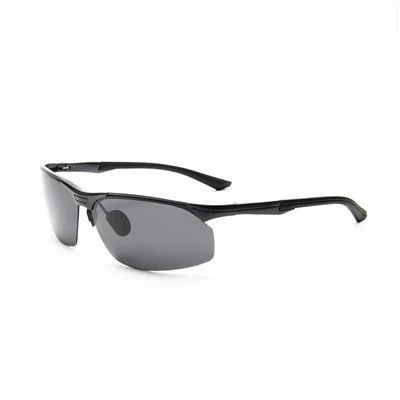
So, let’s wrap this up. If you’re trying to decide between a $40 regular frame and a $180 titanium frame, ask yourself: how long do I want these to last? Do I have any skin sensitivities? Do I tend to misplace or drop my glasses? If the answer is more than "I just need something to see with," titanium is worth the extra cost. And if you’re in the market for high-quality titanium frames, we’re here to help—we work with individuals, small optometrist offices, and even bulk buyers. We don’t do pushy sales, we just want to make sure you get a pair that works for you. If you’ve got questions, or you’re ready to chat about sourcing, feel free to reach out. We’re happy to walk through options, no pressure.
Sports Sunglasses References:
- International Titanium Association. (2022). Titanium for consumer goods: Manufacturing and cost analysis.
- Optical Industries Association. (2023). Global frame material comparison: Durability and production costs.
- Journal of Applied Biomaterials & Functional Materials. (2021). Biocompatibility of titanium vs. common frame materials for eyeglass wearers.
- Sustainability in Eyewear Report. (2022). End-of-life recycling rates for plastic and metal eyeglass frames.
Yuhuan Longsen Glasses Co., Ltd.
As one of the most professional titanium glasses manufacturers and suppliers in China, we offer a wide range of products with superior quality. Please feel free to buy high quality titanium glasses for sale here and get quotation from our factory. We also accept customized orders.
Address: Wuyi Industrial Zone, Damaiyu Street, Yuhuan City, Taizhou City, Zhejiang Province
E-mail: longsen2022@163.com
WebSite: https://www.longsenglasses.com/
