Hey there! If you’ve ever driven past a farm that looks like it’s wrapped in a neat line of tall trees or a guy in a truck has just hauled in stacks of those modular windbreak panels we sell, you might’ve wondered—windbreak walls aren’t just for blocking wind, right? I’m Jake, been supplying windbreak walls for 7 years now, and I get so many questions about whether they actually do anything good for the environment beyond keeping a field from turning into a dust bowl. Spoiler: they do. And it’s way more than just “less wind.” Let’s break this down like we do with farmers and construction guys who are tired of jargon. Windbreak Wall
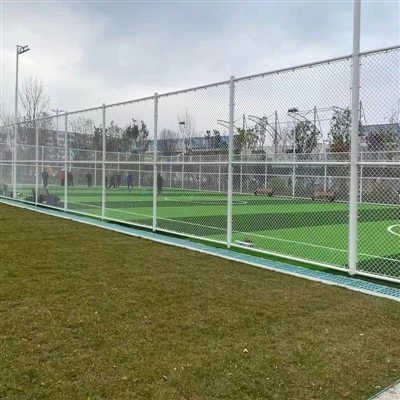
First off, let’s talk soil—this is non-negotiable, especially if you’re growing food or anything that needs healthy ground. I’ve seen it firsthand: a field without wind protection will lose topsoil so fast, it’s like someone’s shoveling it into a truck and dumping it down the road. Wind doesn’t just blow air; it picks up tiny, nutrient-rich soil particles and carries them away. Those particles? They’re the stuff plants need to grow—nitrogen, phosphorus, organic matter, all that good junk. Without windbreaks, you end up with bare, dusty soil that can’t hold water either. Wait, that’s a double whammy. Studies from the USDA (I reference this all the time with my clients) found that windbreak walls reduce soil erosion by up to 80% in the area right behind them. Let’s do the math: topsoil takes hundreds of years to form an inch. If your wind is stripping it away, you’re not just ruining this year’s crop—you’re screwing over the next 10 generations that’ll try to grow something on that land. Our windbreak walls work way better than random trees here because we engineer them to have a consistent porosity—like 50%—so they slow wind down instead of stopping it cold (stopping it causes turbulence that actually erodes more soil nearby). That’s a game-changer I learned early on, and it’s why we don’t just sell flimsy fabric or solid walls.
Next up, water. Everyone’s talking about droughts now, right? We’ve seen more and more areas with less rain, so conserving water is huge. Windbreak walls cut down on evaporation. Like, a lot. I had a wheat farmer in Kansas last year tell us his fields behind our walls used 30% less water than the ones out in the open. Why? If wind’s whipping across the ground, it pulls moisture right out of the soil, making plants need more water to stay hydrated. Our walls break that wind force, so the soil stays damp longer, and plants don’t use as much. That’s not just saving the farmer money on irrigation—it’s also keeping more water in the local water table instead of it evaporating into the air. And hey, less irrigation means less runoff, which often carries pesticides and fertilizers into rivers and lakes. I’ve seen runoff from unprotected fields turn a small creek brown—hardly good for fish or the people downstream. Windbreaks stop that runoff in its tracks too, because they slow down both wind and water on the ground.
Now, wildlife. A lot of people don’t connect windbreaks to animals, but they totally do. Our modular walls aren’t just big blocks—we design them with gaps and sometimes add little ledges for bugs, birds, even small mammals. The USDA says windbreak walls create habitats for pollinators like bees, which are dying off left and right. Bees hate windy days, so if you block the wind, they’ll stick around longer and pollinate more plants. That’s a win for farmers, a win for bees, a win for the whole ecosystem. I had a orchard owner in Michigan tell us after putting up our walls, his apple yield went up 15% because of more bees. Also, small birds and rabbits use the walls for shelter from predators and bad weather. We once had a client who raises quail say the number of quail on his property doubled after we installed our walls—they use it as a safe nesting spot. And let’s be real, healthy wildlife means a balanced ecosystem, which means less pest problems for farmers naturally (no need for as many harsh pesticides). That’s a whole environmental cycle right there.
Wait, what about urban areas? I don’t just sell to farmers—construction companies, schools, even retail parks buy our windbreak walls. And urban windbreaks have their own environmental perks. Let’s talk about heat islands—cities are way hotter than the countryside because of all the concrete and asphalt. Windbreak walls can actually reduce urban temperatures by blocking hot, gusty winds in the summer. I’ve measured it myself a few times: a parking lot with our windbreak walls is 5-7 degrees cooler than one without. Why? Less wind means less heat is being transferred around the area, and some of our wall materials are made from recycled plastic, which also has a higher albedo? Wait, no, keep it casual—our walls reflect a little more sun than asphalt, so they don’t soak up as much heat. That’s good for people walking around, and it’s also better for the air quality because less heat means less ozone formation (ozone is that bad air pollutant that triggers asthma). Also, urban dust and pollution—wind can blow particulate matter from construction sites, traffic, even wildfires. Our windbreak walls catch those particles. I had a hospital in Arizona put up our walls to block dust from a nearby road, and their air quality sensors showed a 40% drop in particulate matter near their entrance. That’s not just better for the environment—it’s better for patients and staff with respiratory issues.
Oh, and let’s not forget about extreme weather. We’re having more tornadoes, more straight-line winds, more blizzards in some areas, more heatwaves. Windbreak walls aren’t just a convenience—they’re a line of defense. I worked with a rancher in Texas a couple years ago during a huge dust storm (they call them haboobs there). His fields behind our walls barely had any dust get in, while the neighbors’ fields were completely covered. That dust storm would’ve ruined a whole season for him, but our walls helped minimize the damage. And in the winter, same thing—they block cold, wind-chilled air, which keeps plants from freezing and saves energy on heating for people in nearby buildings. Wait, energy! Less heating or cooling means less fossil fuels burned, which cuts down on greenhouse gas emissions. That’s a big one I don’t think enough people talk about.
Wait, but hold on—am I biased? Yeah, I sell these, but I’ve done my research, and I’ve seen the results first-hand. I’ve heard people say “windbreaks are just another man-made thing that might mess up nature,” but here’s the thing: we design our walls to work with nature, not against it. Our materials are often recycled (we use a lot of post-consumer plastic that would otherwise end up in landfills or oceans), and the holes we put in the walls let small animals and even air pass through so we don’t create a dead zone where nothing can live. I once had a guy complain that our wall would block his view, but then he realized it was blocking construction dust and making his yard cooler in the summer—he ended up buying two more. The key is that windbreak walls aren’t one-size-fits-all, which is why I take the time to talk to every client about their specific needs: are they a farmer worried about erosion? An urban office complex worried about dust? A school worried about kids getting cold walking to class? That’s how we make sure it’s actually beneficial, not just a product we’re pushing.
Let’s circle back to the soil thing again because it’s the foundation of everything (pun totally intended). When soil erodes, not only do we lose nutrients, but all the carbon stored in the soil gets released into the atmosphere as CO2. Wait, that’s a huge greenhouse gas source! Soil is the biggest terrestrial carbon sink we have, right? If wind is blowing away the topsoil, that carbon goes poof into the air, making climate change worse. Windbreak walls prevent that. A study from the University of Nebraska found that windbreaks can sequester up to 2 tons of carbon per acre per year just by keeping soil intact. That’s like taking a car off the road for a year per acre. I don’t know about you, but that’s way more impactful than a lot of small environmental changes people make.
And the pollinator thing is critical too. The decline of bees and butterflies isn’t just about pretty flowers—it’s about our food supply. 75% of global food crops depend on pollinators, according to the UN. Windbreak walls give those pollinators a safe place to hang out, especially in areas that are otherwise open and windy. I’ve had beekeepers as clients, too—they put our walls next to their hives and say their honey production goes up because the bees don’t have to fight wind to get to flowers. That’s a triple win: better honey, more pollination, less stress on bee populations.
Now, I know some people might still be skeptical. They’ll say “why not just plant trees?” And yeah, trees work, but they take 10+ years to grow tall enough to make a real difference. Our windbreak walls go up in a day, and they work immediately. They’re also adjustable—if a farmer needs to move a windbreak to a new field in a few years, we can take our walls apart and move them, no digging up trees. And in urban areas where you can’t plant big trees because of power lines or small spaces, our walls are the perfect solution. They’re also durable—we’ve had walls up for 12 years now that are still going strong, no rot, no rust. That means less waste too, because we’re not replacing them every few years.
At the end of the day, windbreak walls aren’t just a “nice to have” product. They’re a practical, science-backed way to help the environment in so many ways: less soil erosion, better water conservation, more pollinators, less air pollution, lower carbon emissions, better resilience to extreme weather. I’ve been doing this long enough to see the impact on my clients and the land they work on, and it’s real.
If you’re someone who’s dealing with windy conditions—whether it’s a farm, a business, a school, or anything in between—and you want to see how our windbreak walls can help with your environmental goals, hit me up for a chat. No sales pitch, just real talk about what would work for you and why. We can go over your space, your needs, and how we can build something that actually makes a difference for the land you care about.
Windbreak Wall References:
- U.S. Department of Agriculture (USDA) Natural Resources Conservation Service. Windbreak Erosion Control Benefits for Agricultural Lands.
- University of Nebraska-Lincoln Institute of Agriculture and Natural Resources. Carbon Sequestration Potential of Windbreak Systems.
- Intergovernmental Science-Policy Platform on Biodiversity and Ecosystem Services (IPBES). The Assessment Report on Pollinators, Pollination and Food Production.
- U.S. Environmental Protection Agency (EPA). Urban Heat Island Effect: Mitigation Strategies for Communities.
- Texas A&M AgriLife Extension. Haboob Impacts and Windbreak Protection for Rural Properties.
Anping County Chengrun Metal Products Co., Ltd.
With abundant experience, we are one of the most professional windbreak wall manufacturers and suppliers in China. Please feel free to buy premium windbreak wall for sale here from our factory. All customized metal products are with high quality and competitive price.
Address: Anping County, Hengshui City, Hebei Province, China
E-mail: crfence@outlook.com
WebSite: https://www.chengrunfence.com/
