Alright, let’s cut to the chase—if you’re a spoke-wheel motorcycle owner staring at a brand-new inner tube in your garage, wondering, “Can I actually use this in my bike?” you’re not the only one. I’ve been selling motorcycle tubes for over a decade (you might’ve seen my name on a few order forms or heard me rambling at the local biker meetups) and this question comes up at least three times a week, usually from guys who just rebuilt their old Triumph or are prepping a vintage Honda for a weekend ride. Let’s get into the real details, no fancy engineering jargon, just what works, what doesn’t, and why some of the “common knowledge” online is total garbage. Motorcycle Tube
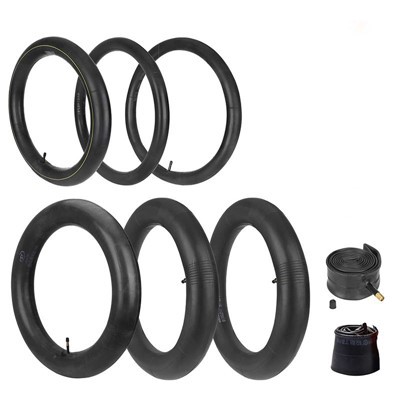
First off, yes—you can run an inner tube in a spoke-wheel motorcycle. But before you yank that tube out of the box and stuff it into your tire, there are a few non-negotiables that make or break this. I’ve seen guys throw a tube in their 1978 Yamaha XS650, hit a pothole, and end up on the side of the road with a blowout because they skipped the small stuff. Let’s break it down like I would over a beer at the shop.
First, let’s talk spoke wheels specifically. Unlike modern cast wheels, spoke wheels have gaps between the spokes and the tire’s bead area—wait, no, actually it’s the bead seat that’s different? No, hold on, let’s keep it simple: spoke wheels are two metal circles held together by thin spokes, so the inside of the rim isn’t a smooth, solid surface. That means if you just plop a tube in, it’s way too easy for the valve stem to get caught on a spoke, or the tube to pinch between the bead and the rim. I learned that the hard way early on—first batch of tubes I sold, a customer put one on a vintage BMW R100, called me panicking because he blew out 10 miles from home. Turned out he didn’t use a rim strip. Oh right—rim strips! You need a proper, heavy-duty rim strip for spoke wheels. Not the flimsy plastic ones that came with the bike in the 80s, the ones made of thick rubber or nylon that cover all the spoke holes. If even a tiny section of a spoke is poking through the rim strip, it’s a ticking time bomb. The tube will rub against that sharp spoke, wear a hole in it in a few hundred miles. I now include a free heavy-duty rim strip with every tube order for spoke-wheel bikes—guys tell me that alone saves them hundreds in tow fees.
Next up: tube size matching. This isn’t like a car where you can “close enough.” If your tire is a 3.50-18, you need a tube marked 3.50/4.00-18. If you grab a 4.00-18, it’s too big—it’ll bunch up inside the tire and pinch. Too small, and it’ll stretch too tight, especially when the tire heats up on a highway ride. I had a kid come in last month with a pit bike that had a tube too small for his 12-inch tire—he hit a sand dune, the tube blew, and he crashed into a bush. He thought “tube is tube” but trust me, size matters. Pro tip: check both the tire sidewall and the old tube’s markings. If you don’t have the old tube, write down the tire size exactly—no rounding. I’ve got a size chart taped to my shop wall that lists every common spoke-wheel bike from 1950 to 2024, so if someone calls asking for a tube for their 1972 Honda CB350, I can tell them right away it’s a 2.75/3.00-18 front and 3.00-18 rear. No guesswork.
Now, the big debate: tubes vs. tubeless for spoke wheels. Online guys will scream at you “spoke wheels can’t do tubeless!” and “tubes are obsolete!” but that’s not entirely true. Some modern spoke wheels are designed for tubeless, but most vintage ones aren’t. The problem with tubeless on old spoke wheels is that the seal between the tire bead and the rim isn’t tight—spoke wheels have tiny gaps around the nipple holes, so air leaks out. You could use bead sealant, but it’s messy and doesn’t last. Tubes are still the most reliable option for 90% of classic and mid-tier spoke-wheel bikes. The catch? If you do have a newer spoke wheel that’s tubeless-compatible, you can run a tube, but it’s not ideal. Tubes add a little weight, which isn’t great for performance, but for most riders—commuters, weekend cruisers, even dirt bike guys— the reliability is worth the extra ounce. I have a buddy with a KTM 250 dirt bike that’s got tubeless spokes, runs a tube, and swears by it—he’s had zero issues, and changing a tube on the trail is way easier than fixing a tubeless puncture at 2 a.m.
Wait, let’s talk punctures too. A lot of people think tubes are more prone to flats, but that’s only if you’re sloppy. If you use the right rim strip, match the size, and install it correctly, a tube will often stop a small puncture that would ruin a tubeless setup. How? Because the tube seals the hole. Tubeless relies on the tire’s sealant, which works for small holes but not if you hit a sharp rock or a big nail. I had a customer last year with a Harley Sportster, ran over a roofing nail, and his tube had a tiny hole that he patched on the side of the road in 10 minutes. If he’d been tubeless, he would’ve had to call a tow truck. That’s the real win with tubes for spoke-wheel bikes—easy repairs on the go.
Now, installation tips that I’ve learned the hard way, so you don’t have to. First, deflate the tire all the way, remove the old tube (if there is one). Clean the inside of the tire and the rim—use a rag and some rubbing alcohol to get rid of dirt, grease, and old rubber bits. Then, stretch the new tube gently so it’s evenly laid out, no twists. Insert the valve stem through the rim first, that’s the most important step. If you don’t push the valve stem all the way through, you’ll bend it, and that’s a broken valve. Then, work the tire back onto the rim, starting opposite the valve stem—use tire levers, but be careful not to pinch the tube between the tire bead and the rim. Once the tire is seated, inflate it slowly, check that the tube isn’t bunching up by wiggling it gently around the inner rim. Do a final check: spin the wheel, make sure the valve stem isn’t hitting any spokes. If it is, you’ll need to adjust the tube or the valve stem angle. I always tell customers to do a low-pressure test first—fill it to 10 PSI, check for leaks, let it sit for an hour before inflating to the correct pressure. That catches any pinholes before you hit the road.
Wait, are there any spoke-wheel bikes where you shouldn’t use a tube? Let’s be real here. If you have a high-performance race bike, like a MotoGP or a dirt bike that’s racing in the top tier, they use tubeless spoke wheels now, right? But that’s a niche market. For 99.9% of the bikes that roll into my shop—vintage cruisers, commuter bikes, dual-sport bikes, even old dirt bikes—tubes work fine. The only time I’d say skip the tube is if you have a modern spoke wheel that’s specifically built for tubeless, and you’re a performance rider who cares every ounce of weight. But for the average rider who just wants to get from point A to B without worrying about blowouts, tubes are the way to go.
Let’s talk about common mistakes I see all the time. Number one: using the wrong rim strip. I had a guy come in with a 1980 Suzuki GS550, tried to use a $1 plastic rim strip from the auto parts store, and within 50 miles, a spoke poked through, blew the tube, and he crashed. The rim strip needs to cover every spoke hole, not just most of them. Number two: overinflating or underinflating. Too much pressure, and the tube can burst if you hit a pothole. Too little, and the tube will pinch between the rim and the tire when you ride. I always tell people to check the tire pressure with the bike loaded, not just the front wheel alone. If you’re carrying a passenger or gear, add 2-3 PSI. Number three: not patching old tubes. If you have a puncture in a tube, patch it instead of buying a new one, but only if the puncture isn’t near the valve stem or a stretch mark. But when you’re buying a new tube, don’t skimp on cheap ones. I sell premium butyl rubber tubes, not the cheap Chinese ones that fall apart after a year. Butyl is durable, stretches well, and resists punctures better than generic rubber.
Oh, and another thing: spoke tension. Wait, does spoke tension affect tube use? Not directly, but if your spokes are loose, the rim can flex, which can pinch the tube. If you’ve noticed your bike handling weird, or the rim wobbles when you spin it, take it to a bike shop to true the wheel before installing a new tube. I see guys buy a tube, install it, and then wonder why they keep blowing it out—turns out their wheel is out of true. That’s a quick fix, and it saves you from wasting money on tubes.
Let’s wrap this up, because I know some of you are here for the straight answer, not the lecture. The short version: YES, you can absolutely use a tube in a motorcycle with a spoke wheel. But you have to do it right—use a heavy-duty rim strip, get the exact size tube, install it carefully, and maintain your wheel. It’s not rocket science, but it’s the small details that keep you from ending up on the side of the road.
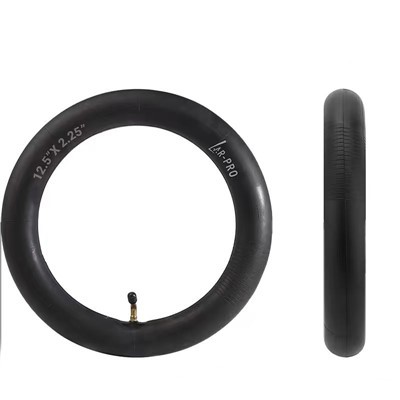
Now, if you’re working on your bike and not sure what tube you need, or you’ve got a question about installation, hit me up. I’m here to help, not just sell tubes. I’ve been in this game long enough to know that a good customer is a repeat customer, so I’ll help you figure out the right tube for your bike, no hassle. No weird forms to fill out, no hidden fees—just a solid tube, free rim strip if you need it, and honest advice. So don’t guess, don’t listen to the trolls on the internet, reach out if you’ve got questions.
Motorcycle Tube References:
- Motorcycle Inner Tube Compatibility Guide, Motorcycle Industry Council, 2022
- Spoke Wheel Tire and Tube Installation Best Practices, American Motorcyclist Association, 2021
- Vintage Motorcycle Tire Maintenance Handbook, Classic Motorcycles Preservation Society, 2020
Jiangxi Vimia Tyre Co., Ltd.
We’re well-known as one of the leading motorcycle tube manufacturers and suppliers in China. We warmly welcome you to wholesale bulk high quality motorcycle tube in stock here from our factory. If you have any enquiry about quotation, please feel free to email us.
Address: Zone C, Industrial Park, Jinxi County, Fuzhou City, Jiangxi Province
E-mail: 17779452635@139.com
WebSite: https://www.cnvimia.com/
