Hey guys, if you’re running a pet supply business, grooming salon, or even a big retail spot that carries pet pads—you know how crucial your PETS PAD machine is. These things are the backbone of keeping your inventory consistent, your workflow smooth, and your customers coming back for reliable, high-quality pads. But let’s be real: too many folks treat their PETS PAD machine like a set-it-and-forget-it appliance, and that’s where problems start. I’ve been supplying these machines for years, and I’ve seen firsthand what happens when maintenance gets skipped—jammed mechanisms, uneven pad sizing, even total breakdowns that cost you hours (and cash) to fix. Today, I’m breaking down the simple, practical stuff you can do to keep your machine running like it did day one, no fancy tech degree required. PETS PAD MACHINE

First, let’s get the basics out of the way: this isn’t about overhauling the whole thing every month. It’s small, daily-to-weekly checks that add up. Let’s start with the stuff you should do every single day—no exceptions, I’ll make it quick so you don’t have to carve out an hour for it. When you’re wrapping up your shift, before you power down the machine, do a quick visual scan of the cutting area and feed rollers. Most jams happen because of leftover pad scraps or clumps of fluff that get stuck in the rollers. Grab a soft, dry cloth (don’t use paper towels—they leave lint, trust me) and wipe down the feed rollers. If there’s any sticky residue from adhesive backings or moisture (wait, yes—pet pads can pick up humidity, especially if you’re in a damp space), a tiny bit of isopropyl alcohol on that same cloth works. Just don’t douse the machine—you want it barely damp, not soaking.
Also, daily, empty the waste bin under the cutting tray. A lot of people forget this, but a full bin can cause extra strain on the ejection mechanism, leading it to misalign or even stop working mid-cycle. I’ve had a client who skipped this for two weeks, and their machine had to have a new ejection sensor—$200 repair for a $5 check every day. Not worth it. One last daily tip: check the blade housing for any trapped debris. The cutting blade is the most important part of making clean pads, and if there’s a crumb of non-woven fabric stuck, your pads will come out uneven, or even tear. A small, soft-bristled brush (like an old toothbrush, but clean!) is perfect for this. Run it along the edge of the blade housing to dislodge any gunk.
Now, weekly tasks—these take about 15 minutes total, and they’ll keep your machine running for years. Let’s start with the feed system’s rollers. Those are the big round things that pull the pad material through, and over time, they build up a thin layer of lint and residue that makes them slippery. If the rollers are slippery, your machine will feed the material crookedly, leading to off-sized pads. Once a week, remove the feed rollers (most machines have quick-release clips, I promise—no tools needed for most of our models) and wipe them down with that same soft cloth and alcohol. While they’re off, take a second to check the bearings—if they’re wobbly or make a weird grinding noise when you spin them, shoot me a note later, we can help with replacements, but most of the time a quick wipe and a tiny drop of food-grade lubricant (wait, food-grade is key—you don’t want any harsh chemicals near pet products) fixes that.
Next, clean the blade properly. You can’t just brush the edge—once a week, take the blade out (again, most are easy to remove with a screwdriver, just follow the manual’s basic steps) and soak it in warm, soapy water for 10 minutes. That breaks down any dried adhesive or fabric bits that are stuck in the teeth. Pat it dry completely before putting it back in—rust is the last thing you want on a blade, it’ll ruin cuts fast. While you’re at it, clean the cutting tray. Wipe it down with a mild detergent to get rid of any old pad dust, then dry it. A dirty tray can make pads stick to the bottom when they’re ejected, leading to jams.
Another weekly thing: test a sample batch. Don’t wait for a big order to find out something’s off. Run 5-10 test pads with whatever material you’re using that week, check for even sizing, clean cuts, and no tears. If they’re off, that’s a sign something’s not right with the rollers or blade, so you can fix it before it becomes a big problem.
Now, monthly tasks—these are a little more involved, but only about 30 minutes, and they’ll prevent major breakdowns. First, check all the moving parts: belts, gears, and the motor. Belts should be tight but not so tight they’re stretched—if they look cracked or loose, that’s a sign to replace them. Gears: look for any missing teeth or buildup of grease (wait, no—gears need a tiny bit of lubricant, but not too much. If you see excess grease, wipe it off with a cloth). The motor: listen for weird noises when the machine runs—grinding, squeaking, or stuttering. If you notice that, it could be a sign the motor’s overheating, which usually happens because of dust buildup. Unplug the machine first, then use a can of compressed air (on low setting, so you don’t blow dust into the sensitive parts) to clean the motor vents. That’s a super easy fix, I’ve seen so many motors die just because they were clogged with pad dust.
Also, monthly, check the alignment of the cutting head. If your pads are coming out lopsided, that’s almost always a misaligned cutting head. Most machines have a small adjustment knob on the side—just turn it a little, run a test pad, and adjust until the cuts are straight. If you’re not sure, don’t force it—send us a quick message, we can walk you through it, no pressure. One last monthly tip: inspect the power cord. Pull it out of the wall once a month, check for frays, cracks, or loose connections. A faulty power cord is a safety hazard, and also a big reason machines stop working. If you see any damage, replace it right away—don’t risk it.
Wait, let’s talk about common mistakes I see all the time, because these are the things that sneak up on people. First, using the wrong cleaning products. A lot of folks use harsh chemicals like bleach or ammonia to clean the machine, and that can damage the plastic parts, the rubber rollers, and even the electronic components. Stick to isopropyl alcohol, mild dish soap, and food-grade lubricant—safe, effective, no damage. Second, skipping maintenance because you’re busy. I get it, running a business is chaotic, but a 5-minute daily check saves you from a 2-hour repair job (and lost sales) later. Third, not using the right materials for your machine. Wait, your PETS PAD machine is designed for specific non-woven fabrics, right? If you’re using flimsy fabric or pads that are too thick, that puts extra strain on the blade and rollers. Stick to the recommended material specs— I can send you a quick cheat sheet if you need it, just ask.
Another thing: if you’re running a high-volume machine (like 50+ pads a day), you might want to bump up the weekly checks to every 3-4 days. High volume means more wear and tear, so staying on top of small issues is way easier than fixing big ones. And if you ever run into a problem you can’t figure out—like a constant jam, or a blade that won’t cut right—don’t try to take the whole machine apart yourself unless you’re comfortable with it. Most of the time, it’s a simple fix, but messing with the electronic parts can make it worse. Just reach out, and we’ll help you troubleshoot over the phone, or if it’s something more, we can set up a service.
Let me also throw in a quick tip for storing your machine if you’re not using it for a while (like a holiday break). Unplug it, clean all the parts really well, wrap the blade in a soft cloth to protect it, and cover the whole machine with a plastic sheet or a towel to keep dust out. That way, when you turn it back on after a break, it runs just as smooth as when you left it.
At the end of the day, maintaining your PETS PAD machine isn’t about being perfect—it’s about consistency. Small, regular checks prevent 90% of the issues I see with these machines. And let’s be real: a well-maintained machine means less downtime, more reliable pads for your customers, and less money spent on repairs.
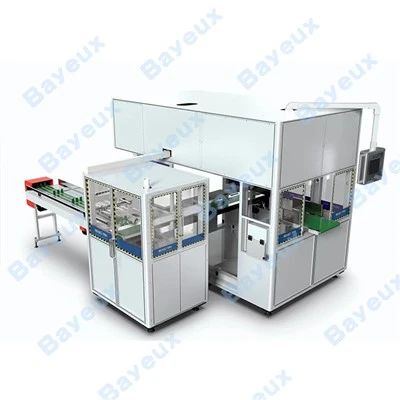
If you’re in the market for a new PETS PAD machine, or you have questions about maintaining the one you already have, hit us up to talk through your needs. We’ve been supplying these machines for years, and we know exactly what works for different business sizes and volume levels. We’re not just here to sell you a machine—we’re here to make sure it runs for as long as possible, so you can focus on what matters: taking care of your customers and their pets.
Shoe Machine References:
- Pet Industry Supply Association. (2022). Maintenance Best Practices for Commercial Pet Care Equipment.
- National Retail Federation. (2023). Small Business Guide to Commercial Machinery Upkeep.
- Manufacturers’ Association of Textile Machinery. (2021). Care Guidelines for Non-Woven Processing Equipment.
Quanzhou Bayeux Industrial Co., Ltd.
Address: ROOM 805,BUILDING 3,NO,8 XIANGSHAN ROAD, XIANGSHAN COMMUNITY, QINGYANG STREET, JINJIANG QUANZHOU FUJIAN.
E-mail: yeliqun_520@163.com
WebSite: https://www.qzbayeux.com/
