Hey everyone, it’s Jake here from your go-to wood shingles supplier — and let’s cut to the chase: I get this question every single winter, usually from roofers, homeowners, and even property managers staring at snow piling up on sloped roofs. “Will this heavy white stuff wreck my wood shingles? What about that ice that forms when temperatures swing above and below freezing?” Today, I’m breaking this down real — no fancy jargon, just the straight facts I’ve picked up working with wood shingles for over 10 years. Wood Shingles
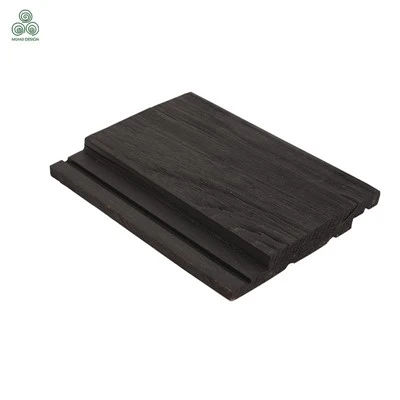
First off, let’s get one thing clear: not all snow and ice damage is the same. A lot of people mix up “light, fluffy snow” with “wet, packed snow” or “ice dams,” and that’s where mistakes happen. As a supplier, I’ve seen both small, fixable issues and big, expensive replacements — mostly because someone didn’t understand the difference between harmless winter buildup and the stuff that actually does damage. Let’s start with the basics of how wood shingles are built, because that’s key here. Most quality wood shingles (the ones we sell, anyway) are pressure-treated or naturally durable — cedar, redwood, maybe pine that’s been coated with a weatherproof sealant. They’re not invincible, but they’re built to handle a lot, especially when installed right.
Light, dry snow — like the stuff you get when it’s 20°F or below, with low humidity — is actually not a big problem. It’s light, it blows off easily, and it doesn’t put that much pressure on the shingles. I’ve had customers tell me they left 12 inches of that powdery snow on their roofs all winter, and when they cleared it come spring, the shingles looked almost exactly like they did in November. Why? Dry snow has a lot of air pockets, so it’s not dense at all — think of comparing a bag of packing peanuts to a bag of bricks. That said, I don’t recommend leaving snow on there forever, but it’s rarely an emergency.
The trouble starts when snow gets wet. Wet snow is way heavier — like, three to five times heavier than dry snow. That’s the stuff you get when temperatures hover around freezing, where snow melts a little during the day and refreezes at night, turning into slush that packs down tight on roof slopes. I remember a job last year in a small town up north: a guy called me panicking, saying his roof sagged a little after a week of that wet, heavy snow. When we sent a roofer out, he measured the load — that wet snow was pushing 25 pounds per square foot, and most residential roofs are designed for a max of 20 to 30 pounds per square foot, depending on the pitch. Wait, but why does that matter for wood shingles specifically, not just the roof structure? Because that constant, heavy pressure from packed wet snow can make shingles warp, curl at the edges, or even crack if the roof has low spots where water pools. Those curled edges are a whole other problem — once they lift, water can get under the shingles, which leads to rot before you know it.
Now, the big one that everyone talks about: ice dams. If you’ve lived somewhere with harsh winters, you’ve seen ’em — those thick, icicles hanging off your gutters, and the big buildup of ice along the eaves. Let’s keep it simple on why ice dams form, because there’s no need for a physics lecture. Ice dams happen when warm air from inside your attic melts snow on the upper part of your roof, and that melted water runs down to the cold eaves (where there’s no warm air seeping through) and refreezes. That refrozen ice blocks the next layer of melting snow, so the water has nowhere to go — it backs up under the shingles. And that’s where the real damage kicks in.
I’ve seen first-hand how ice ruins wood shingles. The water that backs up is constant, seeping through the smallest gaps in the shingle’s seal. Over time, that moisture makes the wood swell, then shrink when it freezes, then swell again — that cycle is a death sentence for untreated or poorly sealed shingles. The edges split, the surface cracks, and before you know it, you have to replace half the roof. One trick I tell all my customers about ice dams? They’re not just a winter problem — when that ice finally melts in spring, the sudden rush of water can blast the already weakened shingle edges right off the roof. I had a customer last year who came home from a weekend trip to find 20 or 30 shingles gone, scattered in his yard — all because of an ice dam he didn’t notice until it was too late.
Wait, but let’s not blame all of this on snow and ice alone. Most of the time, damage happens because of pre-existing issues with the shingles or the roof, not the winter weather itself. For example, if your wood shingles are old and have never been resealed, they’re way more likely to absorb that melted water. Or if your attic is poorly ventilated — that’s a big one — warm air gets trapped, which is exactly what causes ice dams in the first place. I’ve had people call me saying “my wood shingles are ruined by snow” when really, it was a gap in their attic insulation that let heat escape. That’s why I always tell customers: don’t just blame the weather, check the basics first.
Now, what can you actually do to protect your wood shingles from snow and ice damage? Let’s get practical, since that’s what everyone wants. First, if you have a steep roof, you might not even need to clear light snow — but if you have a low-pitch roof (under 4/12, which means it rises 4 feet for every 12 feet of horizontal length), packed snow is way more likely to pool. So go slow when you clear it: use a plastic roof rake, not a metal shovel — metal can scratch or gouge the shingles, which is a whole other way to let water in. Never climb on the roof yourself, by the way — hire a pro, it’s not worth the fall.
For ice dams, prevention is key. Make sure your attic is properly ventilated and insulated — that stops warm air from melting the upper roof. Some customers use heating cables along the eaves, but I’d recommend checking with a roofer first, because if they’re installed wrong, they can actually damage shingles too. And if you do get ice forming, don’t hack at it with a hammer — that’s another way to crack shingles. Wait for it to melt naturally, or use a safe ice melt made for roofs (the kind that’s not harsh on wood, like calcium chloride, not salt) if you need to speed it up a little.
As a supplier, I also want to tell you that not all wood shingles are created equal when it comes to winter damage. The cedar shingles we carry, for example, have natural oils that make them more resistant to moisture and freeze-thaw cycles than, say, untreated pine. We also recommend a marine-grade sealant for anyone in areas with heavy snow or ice, because that extra layer keeps water out without making the wood feel heavy or weird. I’ve had customers tell me their cedar shingles with sealant have gone 15+ years with almost no winter damage, while their old untreated pine shingles needed replacement every 5 years. That’s a big difference, right?
Wait, let’s address a common myth I hear all the time: “Wood shingles are too fragile for snowy climates.” No, that’s not true. They’re actually one of the most durable roofing materials out there, as long as you get the right type and maintain them properly. I supply wood shingles to homes in Minnesota, Maine, even parts of Canada where winter brings 2 feet of snow and temperatures drop to -30°F — and most of those roofs are still going strong after 20 years. The problem isn’t the shingles themselves, it’s when people buy the cheap, thin shingles from the big-box store that don’t have proper treatment, or skip the maintenance, or wait too long to clear packed snow and ice.
Another thing I want to mention: ice damage isn’t just about the water. When ice forms on shingles, it expands — that’s physics 101, water expands when it freezes. So if ice gets into any tiny crack or gap in the wood, it pushes that crack wider over time. That’s why a small scratch or split in a shingle in fall can turn into a big hole by spring, all because of that freeze-thaw cycle. That’s why regular inspections (twice a year, before winter and after) are so important. I always send a free quick tip sheet with every order that has a checklist for winter maintenance — things like checking for lifted shingle edges, clearing debris from your gutters (clogged gutters make ice dams way worse!), and making sure your attic vents aren’t blocked by insulation.
Let’s wrap this up with what I want you to take away. Can snow and ice damage wood shingles? Yep, absolutely — but only when it’s the wet, packed snow or ice dams, not the light fluffy stuff that blows off. And most of that damage is preventable, right? Choosing the right type of wood shingle (like the durable, treated ones we supply), maintaining your roof, clearing snow safely, and stopping ice dams before they start will go a long way toward keeping your shingles in good shape for decades.
If you’re in the market for wood shingles, or if you have questions specific to your roof and winter climate, don’t hesitate to reach out. Whether you’re a homeowner looking to replace an old roof or a contractor working on a big property, I’m here to help you pick the right shingles and give you the straight facts on protecting them from snow and ice. Just get in touch, and we can chat through your needs — no pressure, just real advice from someone who’s been in the game for years.
Wood Partition References:
- American Wood Council. (2021). Performance of Wood Roof Shingles in Cold Climates. Wood Protection Association.
- International Code Council. (2022). Roof Load Requirements for Residential Structures. ICC Building Code Update.
- National Roofing Contractors Association. (2020). Winter Roof Maintenance Guide for Wood Shingles. NRCA Practical Roofing Resources.
- Cedar Shake and Shingle Bureau. (2019). Durability of Naturally Treated Wood Shingles in Freeze-Thaw Environments. CSSB Technical Bulletin.
Dongguan Mumu WoodWork Co., Ltd.
As one of the most professional wood shingles manufacturers and suppliers in China, we also support customized service. Please feel free to wholesale bulk high quality wood shingles for sale here from our factory. Good service and low price are available.
Address: Room No.2602-2603, Unit 9B, Universal Commerce Center, Nancheng District, Dongguan City, Guangdong Province, China,523073
E-mail: sales@mumu-ing.com
WebSite: https://www.mumuthermowood.com/
