If you’ve ever wandered into a bedroom that feels less like a curated sanctuary and more like a game of “find your favorite sweater” — chances are the storage was the culprit. As someone who’s been supplying open door wardrobes for over a decade, I get asked the same question all the time: how does an open door wardrobe actually look in a bedroom? Is it messy? Does it take up too much space? Can it elevate a small room, or is it only for spacious master suites? The truth is, it’s one of the most versatile, underrated pieces of bedroom furniture out there — but only if you approach it the right way. Today, I’m breaking down exactly how an open door wardrobe fits into different bedroom layouts, how it works with design styles, and the small tweaks that make it feel intentional, not cluttered. Open Door Wardrobe
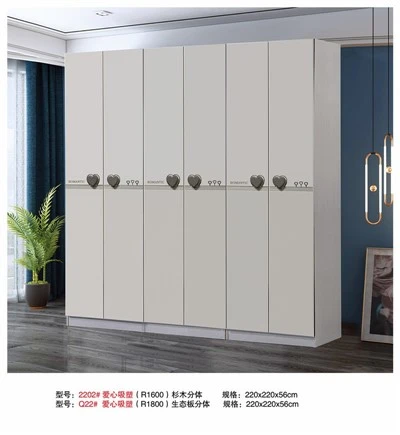
Let’s start with the biggest misconception: that open storage equals messy storage. Early on, when I first started supplying these wardrobes, some clients would call to say they tried one and it felt chaotic — but that was usually because they didn’t account for organization within the wardrobe itself. An open door wardrobe doesn’t mean you hang every shirt out in plain sight and stack sweaters on top of the unit. It means the doors are gone, so the inside of the wardrobe becomes part of the bedroom’s design, not a hidden afterthought. For a 10×12-foot guest bedroom, for example, a narrow, 24-inch deep open door wardrobe that runs along one wall can replace a bulky closet and dresser combined. Instead of closing a closet door and forgetting what’s inside, you can see all your hanging garments in a single glance, so you’re less likely to leave items scattered on the bed. For a master bedroom that’s 14×16 feet, a full-width open door wardrobe can stretch from wall to wall, adding symmetry and drawing the eye to the room’s best feature — like a statement headboard or a large window.
Design style is where an open door wardrobe really shines, too. If your bedroom is minimalist, this type of wardrobe fits perfectly. No fancy doors mean clean lines, and you can keep the inside streamlined: all neutral hangers, folded garments stacked neatly on open shelves, and a few decorative baskets for socks or accessories. I recently worked with a client in Portland who wanted a tiny urban bedroom to feel calm, so we supplied a white open door wardrobe with white wooden shelves and matte black metal hanging rods. She swapped all her plastic hangers for slim wooden ones, and now the wardrobe looks like a custom-built feature, not a storage unit. For bohemian or cottage-style bedrooms, you can have a little more fun. Add woven baskets on the lower shelves, hang a few of your favorite lightweight scarves or macramé organizers from the hanging rod, and even place small potted plants on the top of the unit. It adds warmth without feeling unkempt. Even traditional bedrooms can work with open door wardrobes — you just have to pick the right finish. A dark walnut open door wardrobe with raised wood shelves and brass hardware feels timeless, not modern, and pairs beautifully with a four-poster bed or classic linen bedding.
Space constraints are another common concern, and I’m here to say open door wardrobes can actually make small bedrooms feel bigger. How? Because they don’t have swing doors that take up floor space. A standard hinged door swings out 30 to 36 inches into the room, which is precious square footage in a 10×10 bedroom. An open door wardrobe sits flush against the wall, so you have that space back for a nightstand, a small chair, or even a bit of floor decor like a rug. I’ve seen clients in studio apartments turn a 6-foot wide open door wardrobe into a full storage and dressing area, with a narrow bench tucked underneath the hanging rod for putting on shoes. It’s functional, and because it’s open, it doesn’t block light the way a closed closet can. No more dark, cramped corner — the entire bedroom feels brighter and more connected.
Of course, there are small details that make all the difference. The height of the wardrobe matters, too. If you have 8-foot ceilings, a wardrobe that goes all the way up to the ceiling eliminates gaps where dust collects and keeps the look cohesive. If you have higher ceilings, you can leave 12 to 18 inches of space at the top for decorative items — like a stack of vintage suitcases, a few large vases, or a string of fairy lights. That extra space turns storage into display, so the wardrobe works double duty. Hanger type is another quick fix. Using slim, uniform hangers takes up 30% less space than bulky plastic or wire hangers, so you can fit more garments in the same width, and it makes the entire hanging section look neater. For sweaters, jeans, or items you don’t need to hang, open shelves work best, but dividing them with small bins or fabric boxes keeps folded items from toppling over and creates visual order.
I’ll be honest: when I first started this business, I was worried open door wardrobes would only appeal to a small niche of people who love sleek design. But over the years, I’ve realized it’s for anyone who wants their storage to feel intentional. I remember a client in Brooklyn who had a tiny rental bedroom and couldn’t modify the closet doors — so we supplied a freestanding open door wardrobe that fit right next to the existing closet. It added double the storage, and because it matched her existing dark wood furniture, it looked like it belonged there all along. She told me later that getting rid of the swing door clutter made her bedroom feel like twice as big, and she no longer spent 10 minutes rummaging through a closed closet to pick out an outfit. That’s the kind of feedback that makes this work worth it.
Another thing I’ve learned is that open door wardrobes aren’t just for bedrooms with a separate closet. For many people, they are the closet. They eliminate the need for extra dressers or armoires, cutting down on furniture clutter and making a room feel less busy. A well-designed open door wardrobe balances function and style: it holds all your clothes, shoes, and accessories, but it doesn’t scream “storage.” It blends in with the rest of the room’s decor, so when you walk in, you notice the art on the wall, not just the place you put your socks.
Now, let’s talk about common mistakes people make when choosing an open door wardrobe. The biggest one is picking a unit that’s too small for their needs. If you have 50 shirts and 20 pairs of shoes, a 4-foot wide wardrobe isn’t going to cut it. We always recommend measuring your current items first: hang all your shirts on the floor and measure the width, count how many pairs of shoes you need to store, and leave extra space for new items, too. The second mistake is not accounting for depth. A wardrobe that’s only 20 inches deep will only fit standard hangers, and you’ll have to fold all your hanging shirts in half, which leads to wrinkles. We suggest a minimum of 24 inches deep for hanging garments, so shirts and dresses hang fully without touching the back wall or the front edge of the wardrobe. The third mistake is ignoring lighting. Open storage means the inside of the wardrobe is part of the bedroom, so adding a small strip of LED lights inside the hanging rod area makes it easy to find things, and it adds a nice ambient glow at night, too.
I also want to address the concern about dust. It’s a valid one — no doors mean more dust on your clothes. But there are simple solutions. We recommend adding removable, washable fabric liners to the shelves, and using a lint roller or a quick once-over with a damp cloth for hanging clothes every couple of weeks. For seasonal items that you don’t use every day, you can add a large decorative bin with a lid to the top shelf or the back of the wardrobe, so it’s out of sight and stays dust-free. It’s a small trade-off for all the benefits an open door wardrobe brings, and most of our clients say it takes less time to dust than cleaning the tracks on a sliding closet door or the frame of a hinged door.
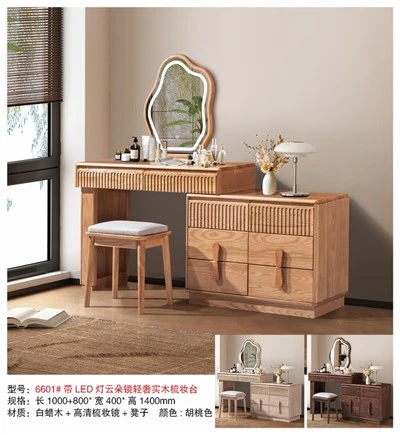
At the end of the day, an open door wardrobe in a bedroom isn’t just a piece of furniture — it’s a way to make your space work for you. It’s about being able to see what you have so you use it, about saving space that was wasted on doors, and about turning storage into something that looks good, not just something that hides clutter. If you’re thinking about adding one to your bedroom and want to find the right size, finish, or layout for your space, don’t hesitate to reach out to discuss your needs further. We specialize in creating open door wardrobes that fit every bedroom, every design style, and every storage need — no generic, one-size-fits-all units here.
Dressing Table References:
- Interior Designers of America. (2022). Space-Efficient Storage Solutions for Small Bedrooms. Architectural Digest.
- Wood Furniture Manufacturers Association. (2021). Standard Depth and Dimension Guidelines for Bedroom Storage Units. Woodworking & Design Magazine.
- Home Organization Institute. (2023). Visual Order in Open Storage: Reducing Clutter in Residential Bedrooms. Home Organizing Quarterly.
- National Association of Home Builders. (2020). Design Trends for Primary Bedrooms: Open vs. Closed Storage. Builder Magazine.
Ganzhou Nankang Jijun Furniture Co., Ltd.
As one of the most professional open door wardrobe manufacturers and suppliers in China, we also support customized service. Welcome to buy premium open door wardrobe made in China here and get pricelist from our factory. For price consultation, contact us.
Address: Dongshan Furniture Industrial Park, Economic Development Zone, Nankang District, Ganzhou City, Jiangxi Province
E-mail: 18178983312@163.com
WebSite: https://www.jijunhome.com/
